
If film noir used neon to hint at a city’s moral decay, Cyberpunk drenches its worlds in it to scream about technological dominance and human obsolescence. Here, neon isn’t just lighting; it’s the visual manifestation of the data stream, the corporate id, and the soul of a new, dark age. For AI and machine learning enthusiasts, the cyberpunk aesthetic is a rich dataset of visual metaphors where light itself tells a story of integration, alienation, and silicon dreams.

The Language of Neon in a Wired World
In cyberpunk, neon speaks a specific, overloaded dialect:
-
Information as Atmosphere: Neon signs are rarely just signs; they are interfaces, ads, and status updates for the city itself. Think of the colossal, animated geisha in Blade Runner or the pulsating holograms in Ghost in the Shell. The environment is a permanent AR layer, an unignorable visual noise representing the constant flow of capital and data.
-
The Color of Tech: The palette is deliberate. Electric blues and sterile whites suggest cold logic, cryogenics, and omnipresent screens. Corrosive pinks and deep magentas feel like glitches, synthetic desire, or biological tech. Acid greens are the colour of CRT monitors, code, and digital decay. This isn’t a human-friendly spectrum; it’s the light emitted by the machine world.
Symbolism: The Glow of Dystopia
Neon in cyberpunk carries profound symbolic weight that resonates with themes in AI ethics and futurism:
-
Corporate Sovereignty: The most brilliant lights are always logos—Tyrell, Weyland-Yutani, Arasaka. Neon is the crown jewel of the corporatocracy, a declaration that commerce has replaced both government and god. The citizen lives not under the sun or moon, but in the shadow of branded luminescence.
-
The Human, Refracted and Diminished: Characters are literally painted by this light, their faces streaked with blues and pinks. They don’t own the light; it happens to them. This visual effect mirrors the genre’s core question: in a world of AI, clones, and cyborgs, what humanity remains, and is it just a faint, organic glow against a much brighter synthetic backdrop?
-
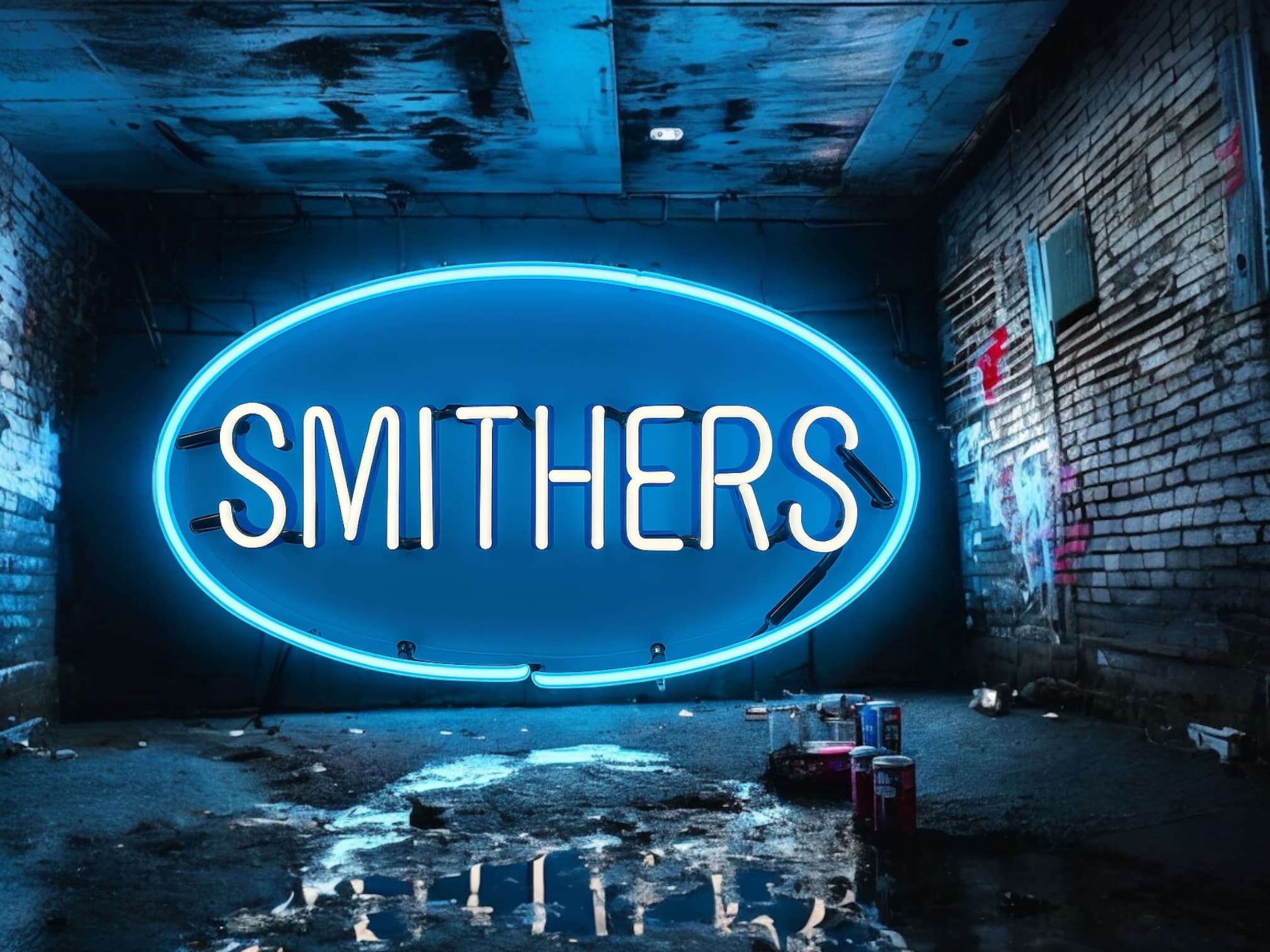
The Aesthetic of the Interface: Rain-slicked streets aren’t just moody; they are the perfect canvas to reflect and distort the neon, doubling the data overload and creating a world that feels unstable, liquid, and coded. This visual of distortion speaks directly to themes of perception, reality, and the “wetware” of the human brain interfacing with a “dryware” digital reality.

Key Neural Networks: Films & Games that Trained the Aesthetic
-
Blade Runner (1982) & 2049): The foundational dataset. Ridley Scott and Denis Villeneuve didn’t just use neon; they used it to architect a philosophy. The light defines scale (human vs. monumental), hierarchy (street-level grime vs. pyramidal corporate zenith), and mood (the melancholy glow of memory vs. the aggressive glare of advertising).
-
Akira (1988): Translated the aesthetic into anime, where neon bleeds and flares with apocalyptic energy. The dystopian glow of Neo-Tokyo is both breathtaking and terrifyingly chaotic.
-
The Matrix (1999): Internalized the neon. The real world is monochrome; the digital Matrix, especially the “construct” and club scenes, is defined by limitless, programmable virtual neon—light as pure code.
-
Cyberpunk 2077 (2020): As an interactive experience, it lets the player live inside the neon-drenched dataset. Night City is a pinnacle achievement in environmental storytelling through light, where every district has its own chromatic signature, from the corporate cool of City Center to the chaotic, pleasure-seeking pink-and-orange glow of Westbrook.


Crafting the Dystopian Glow: A Prompt for AI
For those looking to generate or analyze this aesthetic with AI tools, the prompt is key. Move beyond “cyberpunk city.”
Try a layered prompt like:
"A cinematic still, hyper-detailed, of a rain-slicked cyberpunk alley at night. A towering holographic neon samurai advertises a neural interface, its teal and magenta glow reflecting in deep puddles. A lone cyborg figure is silhouetted against the light, wires visible on their neck. Style of Blade Runner 2049 and Cyberpunk 2077, with volumetric light, deep shadows, and a sense of profound scale and loneliness."
The key descriptors for the AI’s neural network: volumetric light, holographic neon, rain-slicked, chromatic glow (teal/magenta), deep shadows, cinematic, scale, dystopian, hyper-detailed.
Conclusion: The Neon That Dreams of Electric Souls
In cyberpunk, neon is the electric heart of the genre—a heart that pumps not blood, but data and light. It visualizes the central tension between the awe of technological advancement and the horror of its dehumanizing potential. For the AI-minded, it serves as a powerful cultural reference point: a vivid, cautionary, and stunningly beautiful visualization of a future where intelligence—artificial or otherwise—is mediated, commodified, and illuminated by the relentless, beautiful, and deeply ominous glow of neon.
Next in the Series: We’ll shift from dystopian dread to retro-futuristic optimism as we explore: The 80s Aesthetic – Synthwave’s Nostalgic Pulse.
