
In the quest to create a more sustainable and personal living space, every choice matters. From the energy we consume to the products we buy, the collective impact of our decisions shapes our environmental footprint. While switching to LED bulbs or reducing plastic use are celebrated steps, there’s a deeper, more creative layer to eco-friendly living that often gets overlooked: the art of conscious furnishing. And here, a single, thoughtfully chosen piece can tell a powerful story. Consider, for instance, the profound impact of an upcycled chair.
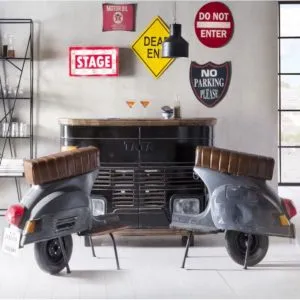
It’s more than just a seat. It’s a statement of intent, a fragment of history reborn, and a tangible rejection of the throwaway culture that dominates modern furniture consumption. Choosing upcycled isn’t merely about buying “old” things; it’s about selecting intelligence, character, and responsibility.
The Heavy Weight of “New”: Fast Furniture’s Hidden Cost
To understand the brilliance of upcycling, we must first confront the alternative. The “fast furniture” industry mirrors fast fashion—trend-driven, cheaply made, and designed for obsolescence. That flat-pack dining set might seem like a bargain, but its cost to the planet is steep.
This cycle depletes finite resources, generates immense carbon emissions from global logistics, and clogs landfills with particleboard and laminate that cannot be salvaged. In contrast, upcycling intercepts this waste stream. It asks a radical question: What if the raw materials for our homes already exist, waiting for a second chance?
Beyond Recycling: The Upcycling Advantage
Recycling breaks down materials, often requiring significant energy and resulting in a downgraded product. Upcycling, however, elevates. It takes an object deemed at the end of its life and transforms it into something of equal or greater value.
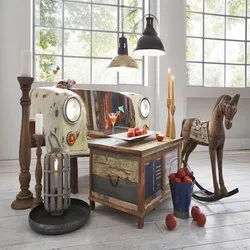
A worn-out wooden school chair becomes a vibrant kitchen accent. A tired office seat is reimagined with bold, botanical fabric. This process requires vision and skill, not just industrial processing.
The environmental math is compelling:
-
Resource Preservation: It saves timber, metal, and textiles from needing to be newly harvested or synthesized.
-
Carbon Reduction: It slashes the carbon footprint associated with manufacturing and long-distance shipping of new items.
-
Waste Minimization: It directly reduces landfill burden, giving materials a new, functional life.
The Soulful Home: Character That Can’t Be Bought
An eco-friendly home shouldn’t feel like a sterile lab; it should feel alive, warm, and full of stories. This is where upcycled furniture truly shines. A mass-produced chair is anonymous. An upcycled chair carries a patina, a slight imperfection, a whisper of its past life. It becomes a conversation starter—”This was from an old library,” or “I found this frame and rewove the seat.”
This infusion of character creates a home with depth and personality. It moves away from homogeneous, showroom-style interiors toward a curated, soulful space that reflects your values and creativity. Your home tells the story of who you are and what you care about.
A Smart Financial Choice: Durability as an Investment
Smart choices are both ecologically and economically sound. Fast furniture is cost-effective only in the short term. Its flimsy construction often leads to repairs or replacement within a few years. Vintage and solid wood frames, however, were often built to last generations. By upcycling, you are investing in that inherent durability. You’re paying for skilled craftsmanship and transformation, not for trendy, disposable materials. Over time, this quality endures, making it a wiser financial investment that also holds its aesthetic value.
How to Welcome Upcycled into Your Home
Embracing this mindset doesn’t require being a master crafter. You can participate at several levels:
-
The Curator: Seek out talented local upcyclers and artisans at markets or online platforms. You support small business and get a unique piece.
-
The Collaborator: Find a solid but dated chair and commission an upholsterer or painter to transform it to your taste.
-
The Creator: If you’re hands-on, take on a simple project. Sanding and re-oiling a wooden chair or painting a metal frame can be deeply satisfying DIY ventures.
Start small. You don’t need to furnish your entire home at once. Let each piece find you, and build your space gradually with intention.

The Ripple Effect of a Single Choice
Choosing a chair might seem insignificant, but it creates a ripple effect. It supports a circular economy, values craftsmanship over mass production, and fosters a deeper connection to our belongings. It challenges the narrative that newer is always better and teaches us to see potential where others see waste.
In the end, an eco-friendly home is built on mindful decisions. It’s a space that respects the planet’s limits while nurturing the human spirit. It understands that true style isn’t about having the latest trend, but about having a story worth telling. So, when you next need a place to sit, look beyond the warehouse catalog. Seek out a piece with a past, ready for its future. You’ll discover that the smartest, most beautiful choice for your home and the planet is often an upcycled chair.
