
In the world of interior design, the allure of a home that reflects your personal style is stronger than ever. Moving beyond the limitations of mass-produced catalog items, many homeowners, designers, and hoteliers are turning to specialized furniture to achieve the perfect look and fit. However, navigating the world of personalized furnishings can be tricky, largely due to the confusing jargon used by the industry itself.
Two terms that are often used interchangeably—but mean very different things—are custom and bespoke. While both offer an alternative to off-the-shelf shopping, understanding the distinction between them is crucial. It can mean the difference between a slightly altered standard piece and a one-of-a-kind heirloom crafted from your imagination. For those seeking the pinnacle of craftsmanship, searching for bespoke furniture London studios will connect you with artisans who specialize in the latter, creating pieces with no two alike.
So, is there really a difference? Absolutely. This blog will break down the definitions, processes, and benefits of custom versus bespoke furniture, helping you make the right choice for your next project.
The Common Confusion: Why the Terms Are Interchangeably Used
It’s easy to see why people get confused. Marketing materials often use the word “bespoke” because it sounds luxurious and exclusive, even when the service offered is technically a customization of an existing design . This blurring of lines has led to a situation where the true meanings have been “bastardised,” much like the word “luxury” .
To get to the heart of the matter, we have to look at the starting point of the furniture-making process. Do you start with an existing template, or do you start with a blank sheet of paper?
What is Custom Furniture?
Custom furniture (often referred to as “custom-made”) begins its life as an existing design. A manufacturer has a blueprint, a prototype, and a catalog entry for a specific piece, such as a sofa, a dining table, or a wardrobe. The “custom” aspect comes into play when you, the customer, request modifications to that base model .
Think of it like ordering a new car. You start with the base model—a Honda Civic, for example—and then you choose the paint color, the upholstery material, and perhaps an upgraded sound system. The fundamental structure and design of the car remain the same; you are simply selecting from a list of available options to make it yours.
In the furniture world, this translates to:
-
Changing Dimensions: Making a standard sofa 120 inches wide instead of 90 inches to fit a specific wall .
-
Selecting Finishes: Choosing a different wood stain for a cabinet or a specific RAL color code for a kitchen front .
-
Altering Upholstery: Picking a different fabric grade, leather color, or even changing the cushion filling for a firmer feel .
-
Swapping Details: Requesting wooden knobs instead of metal handles on a dresser .
The Benefits of Custom
-
Cost-Effective Personalization: Because the foundational design and engineering are already done, custom furniture is generally more affordable than going back to the drawing board. It allows for personalization without the high price tag of a complete overhaul .
-
Faster Turnaround: While it takes longer than buying in-stock items, custom orders are quicker than bespoke projects. There is no need to create new technical drawings or build prototypes from scratch, shaving weeks or even months off the production time .
-
Reliability: You are modifying a proven design. The manufacturer knows that the frame is sturdy and the construction is sound, reducing the risk of structural failure .
What is Bespoke Furniture?
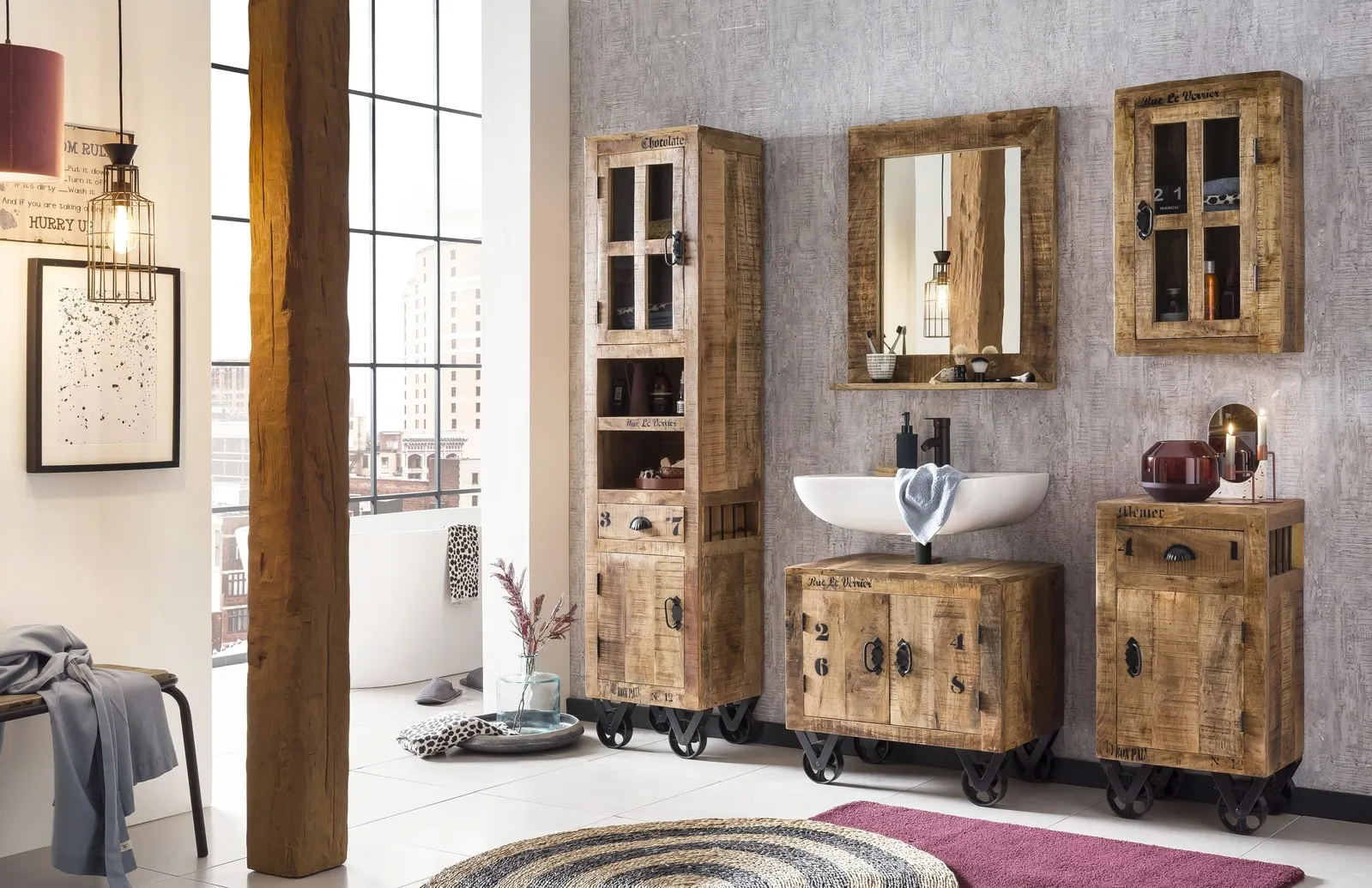
Bespoke furniture is the pinnacle of craftsmanship and personalization. Derived from the Old English word “besprecan” (meaning to speak for something or order in advance), the term has its roots in London’s Savile Row tailors, where a gentleman would “be-speak” a bolt of cloth to be set aside exclusively for his suit .
In furniture, a bespoke piece is created from scratch. There is no catalog, no pre-existing template, and no standard model to start from. The process begins with a concept, a sketch on a napkin, or even just an idea in the client’s head . It is a true collaboration between the client and the craftsperson.
As one expert put it, “Bespoke is when they’ll do anything we ask” . If you need a reception desk that curves in a specific way, combines marble and wood in a never-before-seen configuration, and fits a space with awkward sloping ceilings, you need a bespoke solution .
The Benefits of Bespoke
-
Total Creative Freedom: There are no limits. You control every single detail, from the overall shape and proportion down to the type of dovetail joint used on the drawers. If you can dream it and a skilled craftsman can engineer it, it can be built .
-
Perfect Fit for Complex Spaces: Bespoke is the only solution for architecturally challenging spaces. It allows you to transform awkward alcoves, curved walls, or rooms with unusual proportions into functional and beautiful areas .
-
True Uniqueness: A bespoke piece is genuinely one-of-a-kind. It is designed for you and your space alone. If it were removed from your home, it likely wouldn’t fit or look right anywhere else . It becomes a personal statement and a signature piece that defines a room .
Custom vs. Bespoke: A Side-by-Side Comparison
To make the differences crystal clear, let’s look at them head-to-head.
| Feature | Custom Furniture | Bespoke Furniture |
|---|---|---|
| Starting Point | An existing design or catalog model . | A blank slate, a sketch, or a concept . |
| Design Process | Modification of standard specifications (size, color, fabric) . | Original design, engineering, and development from scratch . |
| Uniqueness | Semi-unique; a personalized version of a standard product . | Truly one-of-a-kind; made exclusively for one client . |
| Lead Time | Moderate (e.g., 6-8 weeks) as the base design is ready . | Long (often 4-6 months or more) due to design, prototyping, and crafting . |
| Cost | Higher than mass-market, but more accessible due to shared tooling . | Highest level; reflects the labor, design time, and exclusive craftsmanship . |
| Ideal Use Case | Large-scale projects needing variety (e.g., hotel guest chairs in brand colors) or fitting standard furniture into a specific spot . | Signature pieces (e.g., a lobby statement piece, an heirloom dining table) or fitting complex, non-standard spaces . |
“Made to Measure”: The Third Wheel
As you research, you may also encounter the term “made to measure.” This sits somewhere in the middle. Like custom furniture, it starts with an existing design. However, the primary (and sometimes only) modification is the size. It is an adaptation of a standard piece to fit a specific space, rather than a true aesthetic or functional customization .
For example, a made-to-measure wardrobe might be built to fit precisely from wall to wall, but the internal layout, door style, and materials are from a standard range. It fits your space, but it isn’t unique to your soul.
Which One Should You Choose?
Your decision ultimately comes down to your goals, budget, and timeline.
-
Choose Custom if:
-
You are working on a project with a defined budget, such as outfitting multiple hotel rooms or a new apartment .
-
You love the style of an existing piece but need it in a different color or size to fit your decor .
-
You need a reliable solution faster and don’t want to wait for months of development .
-
-
Choose Bespoke if:
-
Money is less of a concern than artistic expression and exclusivity .
-
You have a specific, complex vision that cannot be found in any catalog or store.
-
You have an awkward space that standard-sized furniture will never fit correctly .
-
You want to own a piece that is an investment, potentially becoming a family heirloom .
-
Whether you are furnishing a modern apartment or a period property, consulting with specialists in bespoke furniture London can help you determine if a completely original creation is the right path for your vision.
Conclusion
In the debate of custom vs. bespoke furniture, neither is inherently “better”—they simply serve different purposes. Custom furniture is about personalizing a standard, making it your own through thoughtful modifications. Bespoke furniture is about originating a standard, birthing a new idea into the world through masterful craftsmanship.
By understanding the real difference, you can communicate more effectively with designers and manufacturers, set realistic expectations for your timeline and budget, and ultimately, end up with the piece you truly wanted. Whether you tweak an existing classic or build a new one from the ground up, the goal remains the same: to create a space that feels unmistakably like you.
