
We often focus on the big-ticket items when setting up a home office: the computer, the monitor, the high-speed internet. However, the unsung hero of productivity and well-being is the piece of furniture you interact with the most—your office chair. It’s easy to underestimate the impact of where you sit, but the truth is that the right chair does more than just give you a place to park yourself for eight hours. It can fundamentally alter the quality of your work, your physical health, and your overall mindset.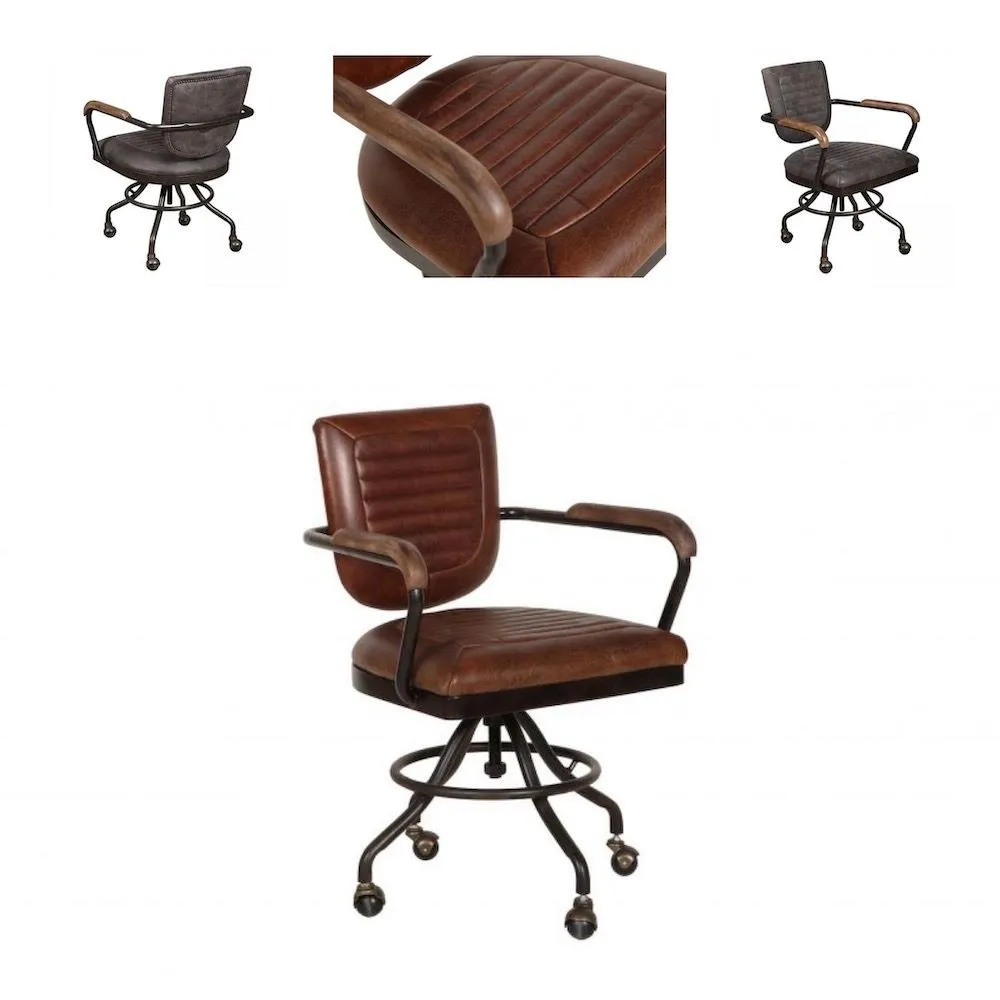
When your chair fits your body and your workflow, you stop noticing it. You enter a state of flow where your physical comfort allows your mind to focus entirely on the task at hand. Conversely, a bad chair is a constant source of low-grade irritation. It pulls your attention away from your work and redirects it to your aching lower back, your stiff neck, or your numb legs. This subtle shift in focus can be the difference between a highly productive day and one spent fighting distraction.
The Anatomy of Comfort and Productivity
To understand how a chair transforms your routine, we have to look at what it actually does for your body. It’s not just about cushioning; it’s about support and alignment.
Posture and Spinal Health
The human body is designed to move, not to remain static in a seated position for hours. When you sit in a poorly designed chair, you force your spine into unnatural positions. You might slouch forward toward your screen, crane your neck to see better, or slump to one side. Over time, this leads to chronic back pain, tension headaches, and even long-term spinal issues.
A high-quality chair acts as an exoskeleton for your upper body. It encourages a neutral spine position, where your ears are aligned with your shoulders, and your shoulders are aligned with your hips. By supporting the natural S-curve of your spine—particularly the lumbar region—the chair reduces the pressure on your intervertebral discs. This support prevents the fatigue that sets in when your muscles have to work overtime just to keep you upright.The “Armchair Office Chair” Evolution In the past, the concept of an armchair office chair might have conjured images of a plush, overstuffed piece of furniture more suited to a living room than a workspace. However, modern ergonomics have blurred these lines. Today, you can find designs that combine the plush, wrapped-in-comfort feeling of a traditional armchair with the precise adjustability required for office work. This hybrid design ensures that you don’t have to sacrifice luxury for lumbar support, creating a workspace that feels both professional and inviting.
Circulation and Energy Levels
Another critical factor is how the chair affects your circulation. Chairs with hard edges or shallow seats can cut off blood flow to your legs and feet. This lack of circulation leads to that familiar feeling of pins and needles or heavy, tired legs. When your body is working harder to pump blood against gravity, your overall energy levels drop. You feel sluggish, which directly impacts your cognitive function and motivation.
The right chair will have a “waterfall edge”—a seat front that curves downward gently rather than digging into the back of your thighs. This design feature keeps blood flowing freely, delivering oxygen to your muscles and brain, keeping you alert and energetic throughout the afternoon slump.
The Psychological Impact of Your Workspace
It’s not just about the physical. Your environment has a profound psychological effect on your work ethic. This is often referred to as “environmental psychology.”
Creating a Professional Mindset
When you work from home, the line between “work mode” and “relaxation mode” can easily blur. If you work from your bed or a saggy couch, your brain associates that space with rest. It’s harder to summon the focus and discipline required for complex tasks.
Investing in a proper office chair sends a signal to your brain. It delineates the workspace. When you sit in that chair, you are telling your brain, “It is time to work.” This simple ritual of sitting down in a professional-grade seat can trigger a cognitive shift, increasing your attention span and your drive to accomplish goals. It anchors you to your professional identity, even if you’re just sitting in a spare bedroom.
The Comfort-Focus Connection
Discomfort is the enemy of focus. Every time you shift in your seat to find a better position, you break your concentration. It might only take a second, but those seconds add up. Furthermore, the mental energy spent on suppressing the awareness of a backache or a stiff neck is energy that is not being spent on your spreadsheets, your writing, or your client calls.
A comfortable chair removes this “cognitive load.” By providing a stable, comfortable base, it frees up your mental capacity to focus entirely on the task at you. It creates a friction-free environment where your thoughts can flow from your brain to the screen without being interrupted by physical distractions.
Key Features That Make the Difference
So, what should you look for when trying to achieve this transformation? It’s not just about the price tag, but the features.
-
Adjustable Lumbar Support: Look for a chair that allows you to move the lower back support up or down to fit the curve of your spine.
-
Seat Depth Adjustment: You should be able to slide the seat pan forward or backward so you can sit with your back against the backrest while leaving 2-4 inches between the back of your knee and the seat.
-
Armrest Adjustability: Your arms should rest comfortably with your shoulders relaxed. Adjustable armrests (in height, width, and angle) prevent neck and shoulder tension.
-
Tilt Mechanism: A good chair allows you to rock or lean back. This promotes movement, which is essential for spinal health. Dynamic sitting (slightly moving while seated) is far better than being locked in a single position.
Integrating the Chair into a Healthy Routine
Even the best chair in the world wasn’t designed for you to sit in it for ten hours straight. The transformation of your work routine comes from using the chair as a tool within a broader strategy of wellness.Why an “Armchair Office Chair” is a Game-Changer for Long Hours For those marathon work sessions, the distinction between a basic task chair and a premium option becomes stark. A well-designed armchair office chair offers a wider surface area and deeper cushioning, distributing your body weight more evenly. This reduces pressure points on the hips and thighs, allowing you to remain seated comfortably for longer periods without the constant need to stand and shake out a numb leg. It bridges the gap between the clinical support of an ergonomic chair and the plush comfort of your favorite reading nook, ensuring that endurance doesn’t have to come at the cost of comfort.
Movement and Micro-Breaks
Use your chair as a tool to remind you to move. When you are properly supported, you become more aware of your body’s signals. You’ll notice when you’ve been still for too long. Pair your chair with a routine of standing every 30-45 minutes. Stretch, walk to get water, or simply look out the window. This movement, combined with the passive support of the chair when you are seated, creates a dynamic workday that keeps your metabolism active and your mind sharp.
Conclusion
Transforming your work routine doesn’t always require a massive overhaul of your habits. Sometimes, it starts with the foundation. The right office chair is an investment in your physical health, your mental clarity, and your professional output. It turns your workspace from a source of strain into a source of support. By providing the stability and comfort your body craves, it allows your mind to reach the levels of focus and creativity that your work demands. Don’t let a bad chair be the ceiling on your productivity. Give yourself the support you deserve, and watch how your workday changes for the better.
