
The bedroom has always been a sanctuary, a private retreat from the chaos of daily life. However, the way we furnish and organize this space is undergoing a significant transformation. For decades, the focus was on maximizing floor space, often leading to smaller, more restrictive sleeping arrangements. Today, that philosophy is being flipped on its head. The modern bedroom is no longer just about sleeping; it is about experiencing comfort, luxury, and unrestricted relaxation, and at the heart of this evolution is the size of the bed itself.
The demand for expansive sleep surfaces is reshaping interior design principles. These spacious beds are not merely pieces of furniture; they are the anchor points around which the entire room is designed. They challenge traditional layouts, dictate new color palettes, and introduce a sense of grandeur that was previously reserved for master suites in luxury hotels. As we move toward a future that values wellness and personal space, the shift toward larger beds is redefining what it means to design a bedroom. Let’s explore how this trend is unfolding, step by step.
The Shift from Compact to Grandiose Layouts
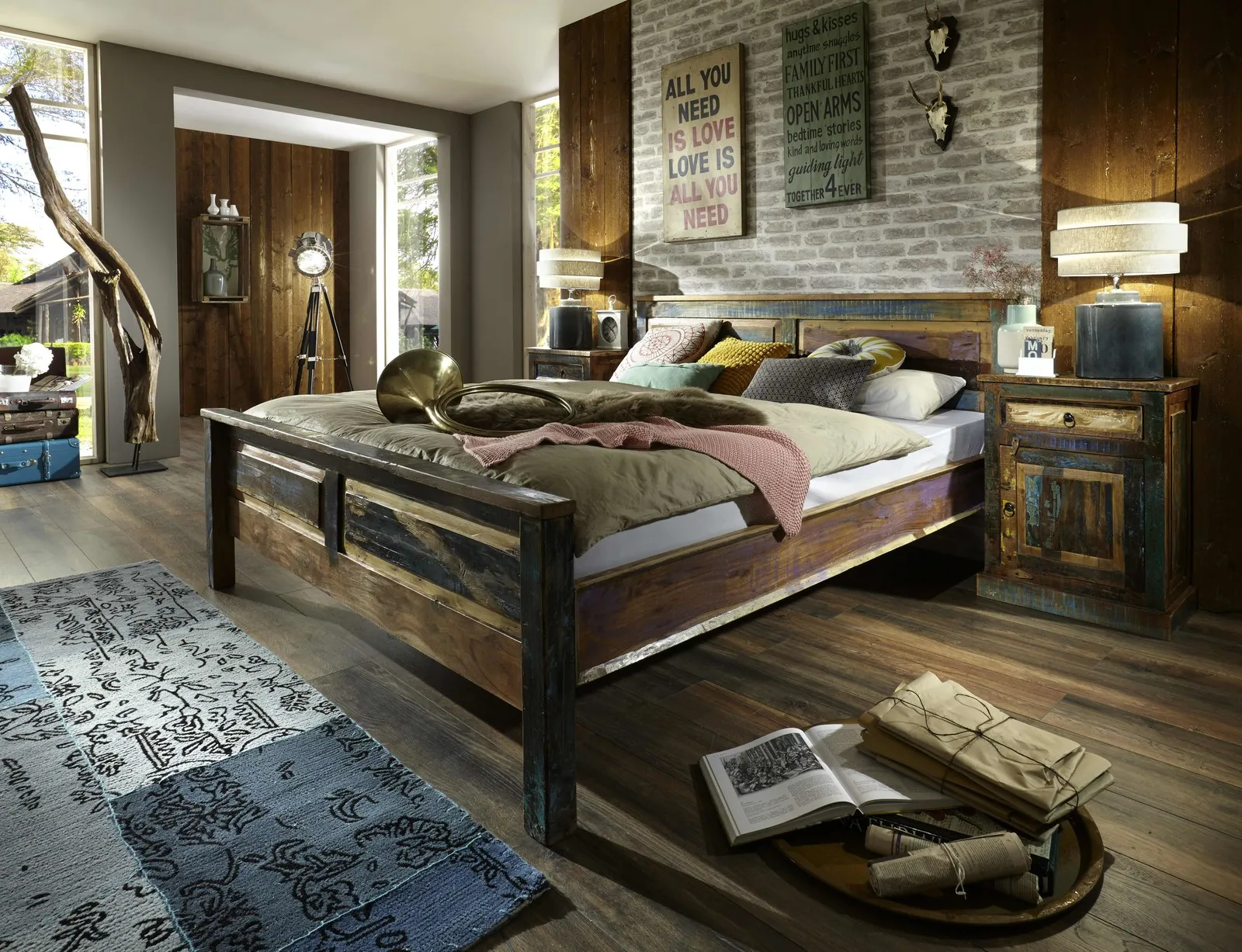
The most immediate impact of choosing a larger bed is the necessary reorganization of the room’s layout. In the past, designers worked hard to fit queen-sized beds into boxes of space, often pushing them into corners to save room. Today, a larger bed refuses to be hidden. It demands to be the focal point, and it thrives best when it is centered on a wall, allowing access from both sides.
This requires a mindset shift. Homeowners are now prioritizing the bed over circulation space. It is becoming common to see rooms where the bed takes up the primary real estate, with other furniture pieces like dressers and vanities taking a secondary, more minimal role. This “bed-first” approach creates a symmetrical and balanced environment, which naturally promotes a sense of calm and order.
Anchoring the Room with a Super King Size Bed
To truly understand the gravitas of this trend, one must look at the pinnacle of residential comfort: the super king size bed. Measuring approximately 72 inches wide by 78 inches long, this piece is a statement. When you introduce a super king size bed into a bedroom, it immediately becomes the anchor. It grounds the space, providing a massive visual weight that smaller beds simply cannot achieve.
Designing around such a centerpiece requires careful consideration. Because the bed is so wide, it often eliminates the need for large, bulky nightstands. Instead, designers are opting for floating shelves or small pedestals beside the super king size bed to keep the floor visually clear. This bed commands attention, forcing the surrounding decor—whether it be minimalist or eclectic—to complement its scale rather than compete with it.
Creating a “Furniture-Free” Aesthetic
One of the most interesting design trends facilitated by larger beds is the move toward a “furniture-free” aesthetic. Since the bed occupies so much visual and physical space, there is less room for clutter. This is a positive development in modern design. A super king size bed often negates the need for a separate bench at the foot of the bed or extra seating areas in smaller rooms.
This reduction in furniture allows the eye to rest. The large, flat surface of the bed—dressed in high-thread-count linens and plush duvets—becomes the art installation of the room. It simplifies the design process: invest in a stunning headboard for that super king size bed, choose quality bedding, and let the scale of the bed do the rest of the work. This minimalism is a cornerstone of contemporary design, proving that less truly is more.
Balancing Proportions with Architecture
When a room houses a super king size bed, the architectural features must rise to meet it. Low ceilings or small windows can make a large bed feel cramped, so designers are using visual tricks to balance the proportions. Floor-to-ceiling drapes are becoming a standard accompaniment to spacious beds, drawing the eye upward and creating a vertical balance against the horizontal mass of the mattress.
Furthermore, wall art is scaling up. A tiny picture frame above a massive headboard looks lost. Instead, modern bedrooms featuring a super king size bed utilize large-scale canvases, dramatic mirrors, or accent walls with bold textures like shiplap or Venetian plaster. This ensures that every element in the room feels intentional and harmoniously scaled to the bed’s dominance.
Multi-Functional Sanctuaries
Finally, spacious beds are changing design by altering how we use the bedroom during the day. A bed of this magnitude is no longer just for sleeping; it is a lounge area. It is a place to read, watch movies, work on a laptop, or let the children pile in for weekend mornings. This multi-functionality means the design must cater to daytime aesthetics as well as nighttime comfort.
Designers are responding by layering textures. A chunky knit throw or a velvet cushion on a super king size bed invites use during waking hours. The surrounding lighting is also changing; harsh overhead lights are out, and dimmable sconces or pendant lights mounted beside the bed are in, allowing the room to transition from a bright, airy lounge to a dim, cozy sleep cave effortlessly.
Conclusion
The rise of spacious beds marks a definitive shift in modern interior design. We are moving away from cramped, utilitarian layouts toward expansive, luxurious environments that prioritize well-being. Whether it is through the anchoring presence of a super king size bed or the minimalist aesthetics it inspires, this trend proves that bigger can indeed be better. By allowing the bed to dictate the design, we create bedrooms that are not only stylish but also profoundly comfortable and restorative.
