
In an era dominated by flat-pack boxes and mass-produced uniformity, a quiet but significant revolution is taking place in our homes. Homeowners are increasingly rejecting the one-size-fits-all approach of big-box retailers in favor of a more personal, intentional path: made-to-order furniture. This shift isn’t just about aesthetics; it is a fundamental change in how we value our living spaces. Whether it’s a desire for superior quality, the need to maximize awkward architectural nooks, or the simple wish to own something that no one else has, made-to-order bespoke furniture london is becoming the gold standard for discerning homeowners. As we navigate a world of disposable goods, the decision to commission a piece specifically for your life is the ultimate act of investing in your home’s future.
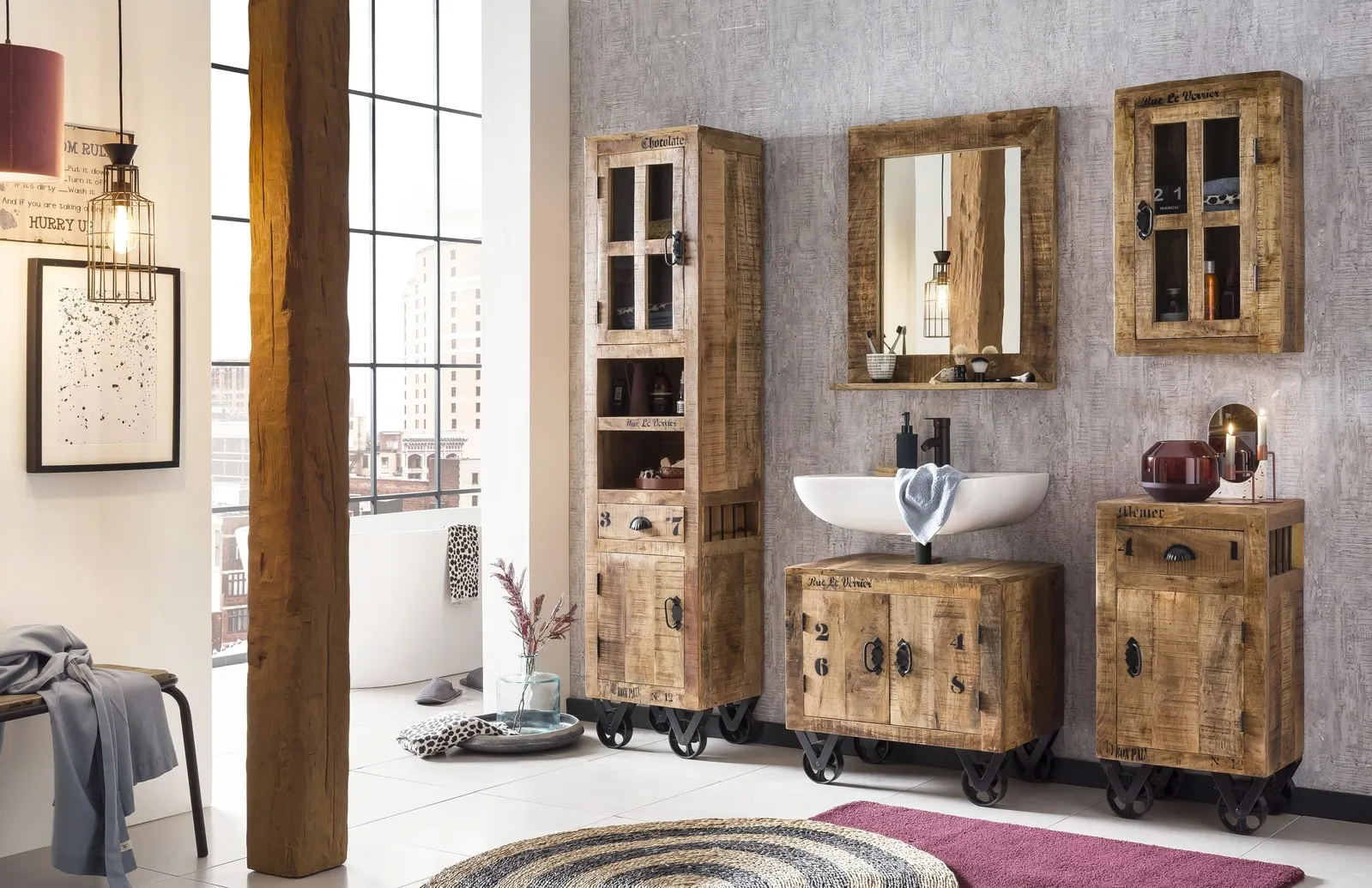
Step 1: Escaping the Cycle of Disposable Design
The first step in understanding this shift is recognizing the pitfalls of the mass market. For decades, homeowners were conditioned to believe that furniture should be cheap and replaceable. However, the reality of this model is often disappointing. The particleboard swells after a humid summer, the veneer peels within a year, and the “universal fit” rarely fits well at all.
By choosing made-to-order, homeowners break this cycle. Instead of compromising their vision based on what is sitting on a showroom floor, they start with a blank slate. This step involves a mindset shift from being a passive consumer to an active creator. When you order a piece like a sheepskin armchair made specifically for you, you are not just buying an object; you are commissioning a solution. You are deciding that the centerpiece of your living room should not be a disposable item destined for a landfill in three years, but rather a durable, beautiful asset that can last a lifetime and even become a family heirloom.
Step 2: Solving the Puzzle of Unique Spaces
One of the most practical steps in the made-to-order journey is solving the architectural puzzles that modern homes often present. Older Victorian homes have slanted ceilings and shallow alcoves. Newer loft apartments feature irregular concrete pillars and vast, empty walls that dwarf standard-sized credenzas.
Mass-produced furniture forces you to adapt your home to the furniture. Made-to-order does the opposite; it adapts the furniture to your home. During this step, homeowners work with craftsmen to take precise measurements of their spaces. That awkward recess next to the fireplace becomes a stunning, flush-mounted bookcase. That narrow hallway becomes a functional storage bench with custom proportions. This step is about reclaiming square footage that standard furniture simply cannot utilize. It ensures that every inch of your home works as hard as you do, eliminating the gaps, wasted space, and visual frustration caused by ill-fitting pieces.
Step 3: Curating Personal Aesthetics and Materials
The third step is perhaps the most enjoyable: the curation of materials and design. When you walk into a mass-market store, you are limited to the four or five finishes the retailer decided to stock that season. With made-to-order, the homeowner steps into the role of curator.
This stage involves selecting the specific timber—be it the rich warmth of American black walnut, the subtle elegance of white oak, or the industrial edge of reclaimed maple. It involves choosing hardware that feels like jewelry for your furniture, and finishes that match your exact color palette. This step is where a house begins to feel like a home. Homeowners are choosing made-to-order because it allows them to ensure that their furniture complements their existing art, their flooring, and their lifestyle. Whether you are investing in traditional sofas and armchairs or modern custom pieces, this approach ensures every element fits perfectly. If you have a pet that sheds white fur, you can choose a fabric that hides it. If you have young children, you can request rounded edges and child-safe finishes. This level of control is impossible to find in a flat-pack box.
Step 4: Investing in Heirloom Quality and Craftsmanship
Moving past the design phase, the next step focuses on construction. The phrase “you get what you pay for” has never been truer than in furniture. When you purchase mass-produced furniture, a significant portion of the cost goes toward marketing, warehousing, and shipping—not the materials.
When you invest in made-to-order, your money goes primarily into materials and labor. This step involves joinery techniques that have been perfected over centuries, such as dovetail drawers, mortise-and-tenon frames, and hand-sanded surfaces. Homeowners are choosing this route because they are tired of wobbly table legs and drawers that fall off their tracks. They are opting for solid hardwood frames that can be reupholstered decades later, and finishes that age beautifully, developing a rich patina over time rather than chipping or yellowing.
Step 5: The Local Advantage
This leads us to the fifth step, where the location of the maker plays a crucial role in the experience. For those in the capital, the rise of local craftsmanship has been a game-changer. Working with bespoke furniture london artisans offers a level of transparency and service that online retailers simply cannot match. Homeowners are increasingly valuing the ability to visit a workshop, see the wood being milled, and speak directly with the person building their dining table. This local step eliminates the anxiety of shipping damage and long lead times associated with overseas imports. It fosters a relationship where the maker understands the specific nuances of London living—from navigating narrow staircases in Georgian townhouses to maximizing light in modern flats. It transforms the transaction from a cold purchase into a collaborative partnership.
Step 6: Aligning with Sustainable Values
Finally, the step that resonates most with the modern homeowner is sustainability. The environmental cost of fast furniture is staggering. Massive amounts of furniture end up in landfills every year, constructed from non-renewable materials and glued with formaldehyde-heavy adhesives.
Made-to-order furniture is inherently sustainable. Because it is built to last, it reduces the cycle of consumption. Furthermore, because it is often made locally by artisans, the carbon footprint of shipping is drastically reduced compared to containers arriving from overseas. Homeowners can also request specific, ethically sourced woods and non-toxic finishes. In this final step, consumers find peace of mind knowing that their beautiful new sofa or bed frame isn’t contributing to deforestation or landfill overflow. It is an investment in the planet as much as it is an investment in the home.
Conclusion
From the initial realization that you deserve better than disposable goods, to the final satisfaction of placing a perfectly fitted, heirloom-quality piece in your home, the journey of made-to-order furniture is a rewarding one. Whether it’s investing in timeless pieces like sofi brown leather armchairs or customizing furniture to match your space, homeowners are no longer willing to compromise their style, their space, or their values for convenience. By taking these steps—embring customization, solving spatial puzzles, curating materials, demanding quality, supporting local artisans, and prioritizing sustainability—they are creating homes that are authentic, functional, and uniquely their own. The shift away from mass production isn’t just a trend; it is a return to the way homes were always meant to be furnished: thoughtfully, beautifully, and one piece at a time.
