
Urban living often comes with a trade-off: location and convenience in exchange for square footage. As city apartments shrink, residents face the daily puzzle of fitting essential furniture into floor plans that seem to defy logic. Standard, off-the-shelf furniture from big-box stores is designed for proportioned rooms, leaving urban dwellers with awkward gaps, wasted corners, and a perpetual feeling of clutter.
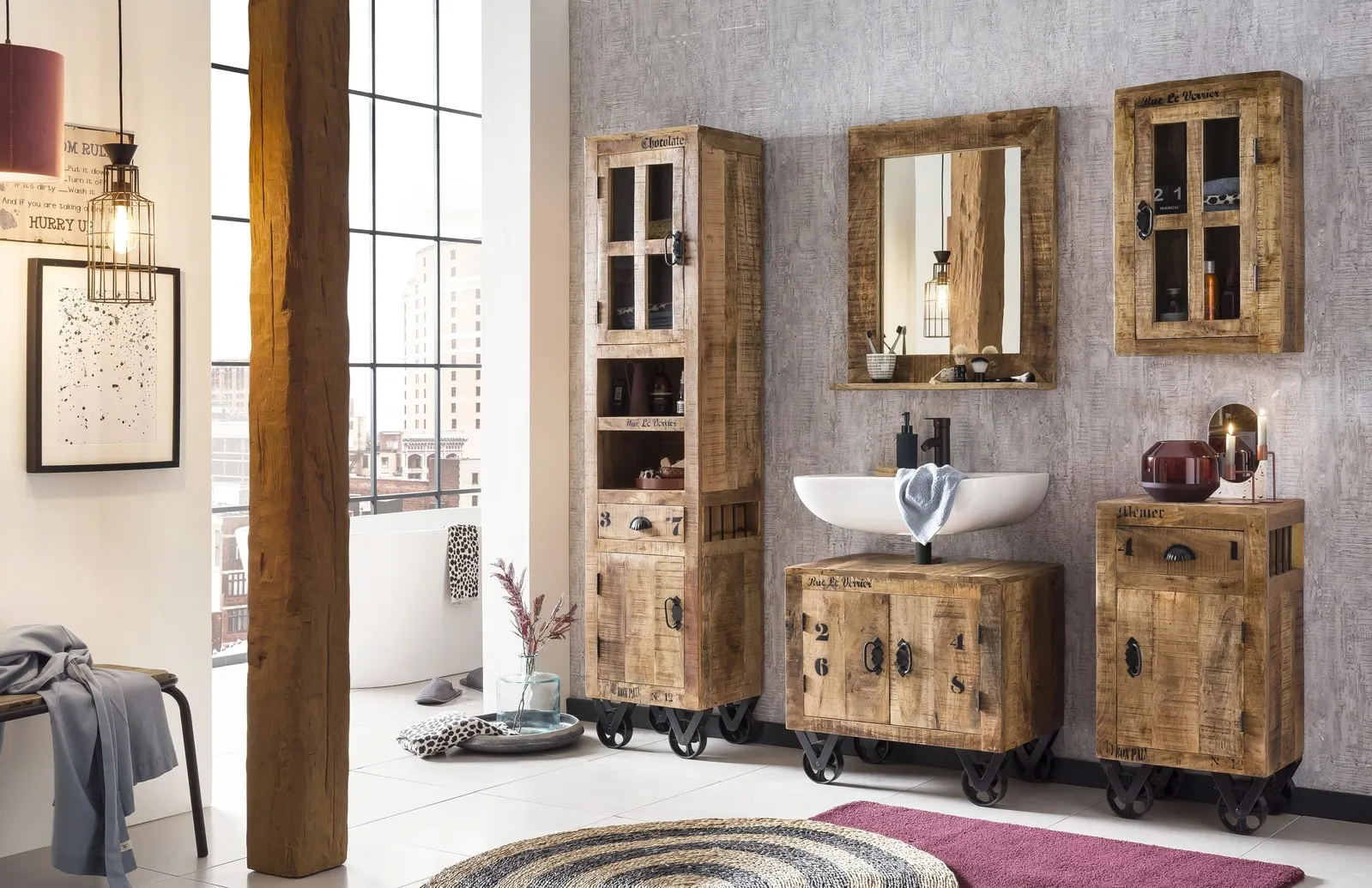
This is where bespoke furniture transforms the narrative. Unlike mass-produced items, custom pieces are engineered for your specific space and lifestyle. As one interior designer aptly put it, “Once you understand how the person lives, many design decisions are made for you” . This guide will walk you step by step through why custom solutions are not just a luxury, but a practical necessity for making compact urban apartments feel like spacious, functional homes.
Step 1: Assessing the “Swiss Army Knife” Mentality
Before you even pick up a hammer or call a carpenter, you must analyze how you live. Designers often use the analogy of a Swiss army knife to describe the perfect compact home: it needs to be compact, functional, and well-designed, with every tool serving a purpose .
In a recent Singapore project, homeowners handed their designer a Swiss army knife as a brief. The result was an apartment where every element has a dual purpose. The entryway featured a shoe rack that doubled as a seat, and a pull-out bench hid gym equipment . This level of efficiency requires you to list your daily activities. Do you work from home? Do you host dinner parties? Do you need a place to store a bicycle? Answering these questions defines the “jobs” your furniture needs to perform, paving the way for custom pieces that address real-world pain points rather than just looking pretty.
Step 2: Maximizing Vertical Real Estate
When floor space is at a premium, the only way to expand is up. Standard furniture rarely exceeds a certain height, leaving valuable wall space unused. Bespoke furniture allows you to harness this vertical territory effectively.
Step-by-step, you should measure your wall space from floor to ceiling. Custom built-ins can stretch to the ceiling, drawing the eye upward and creating the illusion of height while providing immense storage . High shelves are perfect for infrequently used items, books, or decorative pieces. For instance, a custom wall-to-wall cabinet in a bedroom can discreetly store clothing without the need for a bulky, freestanding wardrobe that eats into floor area . This approach transforms empty walls into functional assets.
Step 3: Engineering Multi-Functionality into Every Piece
In a compact apartment, a chair cannot just be a chair, and a table cannot just be a table. The third step is to demand versatility from every surface. Custom furniture excels here because it is built from the ground up to serve multiple roles without looking like a compromise.
Consider a window seat or a hallway bench. A standard version might offer a place to sit, but a custom version can be built with a hinged top to reveal deep storage for shoes, bags, or off-season gear . Similarly, a custom dining table can be designed with drop-leaves or extending mechanisms that allow it to serve as a compact desk during the week and expand to seat six for a dinner party on the weekend . Even seemingly simple items like ottomans can be reimagined; the “Combination footstool” concept shows how a piece can transition from a cushioned seat to a table with a glass top . By customizing these elements, you ensure that “hidden storage” and “convertibility” are integrated seamlessly, rather than appearing as an afterthought.
Step 4: Perfect Fit and Proportional Harmony
The most significant drawback of mass-market furniture is its standard sizing. Urban apartments often feature odd angles, sloping ceilings, or narrow alcoves that standard sofas and wardrobes simply cannot accommodate.
Bespoke furniture solves this through precision. By taking exact measurements, craftspeople can create pieces that fit “like a glove,” utilizing every inch of available space. For example, custom bedside tables can be designed to fit precisely into tight spaces between the bed and the wall, eliminating clutter and providing surface area exactly where you need it . In living areas, sofas can be crafted with specific dimensions—such as slimmer arms or shallower depths—to ensure they provide comfortable seating without overwhelming the room or blocking walkways . This perfect fit creates a harmonious aesthetic, making the space feel intentionally designed rather than merely furnished.
Step 5: Integrating Technology and Ergonomics
Modern compact living often involves technology, and bespoke pieces can integrate these elements discreetly. Step five involves planning for the invisible necessities. Custom desks can be built with wireless charging pads and cable management systems to keep cords hidden. Murphy beds can be designed with integrated shelving and LED lighting, transforming the unit into a stylish focal point rather than just a bed that folds away .
Furthermore, custom furniture allows for superior ergonomics. In a small space, you might use a dining table as a desk. A custom table can be built to the exact standing or sitting height that is comfortable for you, ensuring that your hybrid workspace supports your physical health. High-back sofas, tailored to your height, can provide better support while drawing the eye upward to enhance the sense of space .
Step 6: Material Selection and Visual Flow
Finally, bespoke furniture allows you to control the visual weight of your home. Light colors and reflective surfaces can make a room feel larger. When you commission a piece, you can choose finishes that match your walls, allowing the furniture to recede visually and make the room feel more expansive. Alternatively, you can use a bold color or material to create a focal point.
Custom pieces also allow you to maintain a consistent design language. Whether you prefer the warmth of recycled wood or the clean look of high-gloss white, you can ensure that your space-saving solutions match your aesthetic perfectly, creating a cohesive and personalized sanctuary .
Conclusion
Living in a compact urban apartment doesn’t mean sacrificing style or comfort. By following these steps—assessing needs, building vertically, demanding multi-functionality, ensuring a perfect fit, integrating technology, and controlling aesthetics—you can see why bespoke solutions are superior. They turn the challenge of limited square footage into an opportunity for creativity and efficiency. While the upfront investment in custom work may be higher than buying off-the-shelf, the return in terms of daily usability, reduced clutter, and personalized luxury is invaluable. Bespoke furniture is not just about filling a room; it is about unlocking the full potential of your home.
📞 Call us: 0207 8890077
📍 Smithers Studio, 89–90 Paul St, London EC2A 4NE
✉️ Contact Us
Designed in Shoreditch. Delivered worldwide.