
In the world of high-end interior design, the difference between a room that looks expensive and one that feels truly luxurious often comes down to a single factor: individuality. While high-street stores offer convenience and mass-produced items offer uniformity, the pinnacle of interior design lies in the unique — and this is where bespoke furniture plays a defining role.
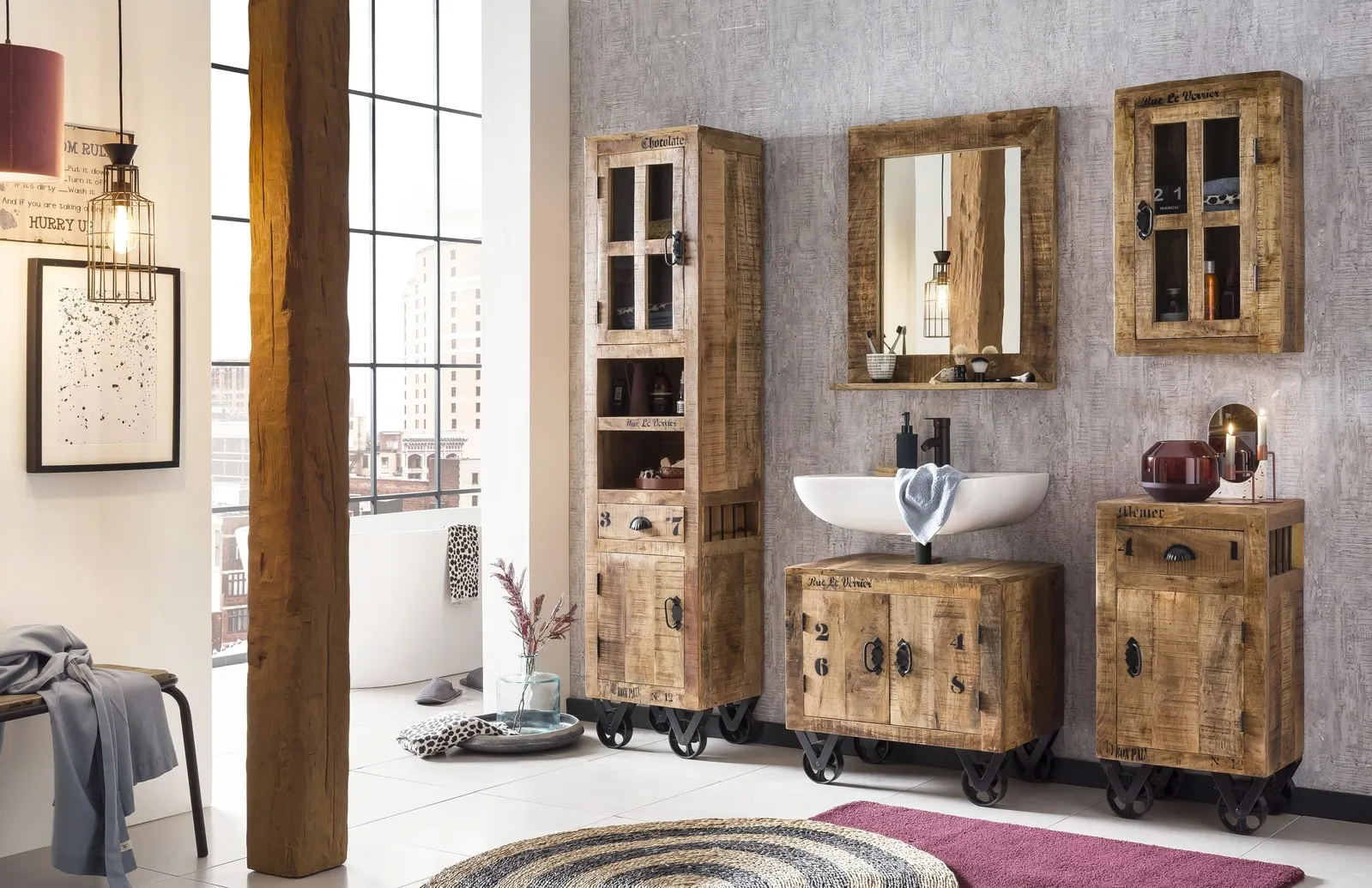
Luxury is not just about opulence; it is about precision, personality, and permanence. It is the difference between walking into a showroom and walking into a home that tells a story. This level of personalization is achieved through pieces that are designed not for the masses, but for one specific space and one specific person. Carefully crafted bespoke furniture allows homeowners to shape interiors around their lifestyle, ultimately elevating a property from a house into a true luxury haven.
1. The Pursuit of Uniqueness
The modern luxury consumer is increasingly seeking exclusivity. In an era where images of trendy interiors are shared globally in seconds, the greatest asset a home can have is originality. Off-the-shelf furniture is, by nature, reproduced thousands of times. There is a high probability that the same sofa or dining table you admire in a catalog exists in hundreds of other living rooms across the country.
True luxury interiors avoid this repetition. By commissioning original pieces, homeowners ensure that their interior is a one-of-a-kind composition. These items become the focal point of conversation, not because of a brand label attached to them, but because of their unique design and the story of their creation. They provide a sense of individuality that cannot be replicated, ensuring your home remains a personal sanctuary rather than a page from a catalog.
2. Mastering the Art of Proportion
One of the most common frustrations in interior design is the “almost fit.” You find a beautiful cabinet, but it is two inches too tall for that alcove. You fall in love with a sectional, but it blocks the natural flow of traffic into the room. These small compromises can disrupt the harmony of a space.
When pieces are made to order, these issues vanish. Designers and artisans can craft items that fit the exact dimensions of a room. This is particularly impactful in luxury interiors, where architectural quirks—like bay windows, sloping ceilings, or unique alcoves—should be celebrated, not hidden. A piece that fits perfectly creates a seamless integration between the architecture and the decor. It looks as though the furniture grew out of the room itself, creating a sense of order, calm, and intentional design that is the hallmark of a high-end space.
3. The Narrative of Materials
Luxury is a sensory experience. It is the weight of a solid wood drawer pulling open, the smoothness of a hand-rubbed lacquer, or the subtle, natural variation in a marble slab. Mass production often relies on materials that are uniform and easily manipulated, which can sometimes feel lifeless or “plastic.”
Custom creations allow for a dialogue with materials. You are not limited to the veneers or finishes available in a factory’s catalog. Instead, you can select rare hardwoods, specific cuts of stone, or premium textiles that appeal to your tactile senses. Furthermore, you have control over the construction methods. While mass-produced items might rely on staples and particleboard, custom artisans use traditional joinery and solid hardwoods. This attention to material and structure ensures that the furniture is not only beautiful to look at but is also an investment in heirloom-quality craftsmanship.
4. Curating a Cohesive Narrative
A luxury interior should feel like a cohesive story, not a collection of random purchases. When you work with a designer to create custom storage or display units, you have the power to tie the entire aesthetic of a room together. You can match the wood tone of a bookcase to the existing floorboards, or design a buffet that echoes the curves of the architecture.
This level of curation ensures that every element in the room speaks the same visual language. The result is a space that feels calm, collected, and thoughtfully assembled over time. It avoids the “stuffy” look of a period home or the “cold” look of a modern showroom, striking a balance that feels both luxurious and livable. The integration of bespoke furniture allows for a fluidity in design that simply cannot be achieved with standalone retail items.
5. Longevity and Sustainability
True luxury is sustainable. In a world grappling with fast fashion and disposable goods, investing in pieces built to last is a statement of values. High-quality, custom-made items are built with the intention of lasting a lifetime and beyond. They can be repaired, restored, and eventually passed down to future generations.
This longevity also contributes to the “patina” of a home. A well-loved custom table that gains character over time adds a depth to an interior that new furniture never can. It suggests a history, a permanence, and a connection to the home that transient, flat-pack furniture cannot provide. This brings us back to the core concept of bespoke furniture: it is not merely a purchase, but an investment in the soul of your home.
Conclusion
Enhancing a luxury interior is about more than just filling a room with expensive things. It is about creating a space that reflects the individual who lives there, functions perfectly for their lifestyle, and stands the test of time. By stepping away from mass production and embracing the custom-made, homeowners unlock a world of perfect proportions, rare materials, and genuine uniqueness. In the pursuit of luxury, the bespoke approach is the ultimate expression of taste.