
The heart of a home is often its dining room—a place for meals, conversation, and memory-making. In an era where sustainability and unique character are increasingly prized, choosing an upcycled dining table is a beautiful way to anchor this space. More than just a piece of furniture, an upcycled table tells a story, reduces waste, and brings one-of-a-kind artistry into your daily life. But with so many unique pieces out there, how do you select the right one? This guide will walk you through the key considerations to find the perfect table for your home.
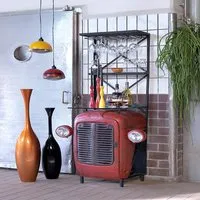
1. Understand Your Space and Needs
Before you fall in love with a specific design, practicality must come first.
-
Measure Meticulously: Note the dimensions of your dining area, leaving at least 36 inches (91 cm) between the table edge and walls or other furniture for comfortable seating and movement.
-
Consider Shape: Rectangular tables are classic and fit most spaces, while round tables encourage conversation and are ideal for smaller rooms. Oval tables offer a soft alternative to rectangular, and unique shapes (like live-edge or industrial) make a bold statement.
-
Determine Seating Capacity: How many people do you need to seat regularly? Will you need extendable options for guests? An upcycled dining table can often be customised, so don’t hesitate to discuss your needs with the maker.
2. Define Your Style
Upcycled furniture spans a vast aesthetic spectrum. Identifying your preferred style will narrow your search.
-
Rustic & Farmhouse: Think reclaimed barn wood, chunky beams, and visible patina. These tables feel warm, welcoming, and timeless.
-
Industrial: Often crafted from salvaged factory parts, metalwork, and reclaimed wood, these tables are sturdy, sleek, and full of urban character.
-
Modern & Eclectic: Many artisans transform unexpected materials (like old doors, windows, or machinery) into surprisingly contemporary designs. Look for clean lines, bold forms, or a striking mix of materials.
-
Bohemian: Tables with carved details, mixed wood types, or colourful painted elements fit this free-spirited, globally-inspired style.
3. Assess Craftsmanship and Materials
The quality of upcycling varies greatly. Inspect or inquire about:
-
Structural Integrity: Is the table solid, stable, and wobble-free? Have old joints been reinforced? The base should feel substantial.
-
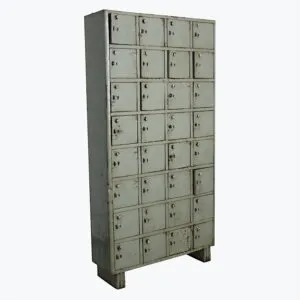
Material Origins: Part of the charm is knowing the material’s history—old factory flooring, deconstructed barn siding, or discarded railway sleepers. A reputable seller will know and share this story.
-
Finish & Treatment: Check the surface finish. Is it properly sanded and sealed? A good sealant (like polyurethane or food-safe epoxy) protects the surface from heat, spills, and stains, ensuring your table can handle real life.
4. Consider Colour and Patina
The existing colour and wear (the patina) are central to an upcycled piece’s appeal.
-
Embrace the Patina: Scratches, saw marks, and faded paint are not flaws—they’re history. Decide how much original character you want. Do you love the chipped paint of an old door, or do you prefer a smoother, more refined look where the wood grain is the star?
-
Colour Palette: Ensure the table’s tones complement your existing decor. A warm oak table will enhance a room with neutral or earthy tones, while a table with cool grey or painted elements might suit a modern, monochrome space.
5. Think About Functionality and Lifestyle
A table must work for how you live.
-
Family-Friendly: If you have young children, a sturdy table with a durable, easy-to-clean sealed surface is essential. Avoid delicate veneers or untreated wood.
-
Entertaining: If you host often, consider a larger surface or an extendable design. A table with a conversation-starting story is a fantastic icebreaker!
-
Multi-Purpose Use: Will the table also serve as a workspace or craft area? If so, durability and perhaps a smoother finish become even more important.
6. Source Responsibly
Where you buy matters.
-
Local Artisans & Craftspeople: Supporting local makers ensures quality, allows for customisation, and reduces the carbon footprint of shipping. You can often visit their workshop.
-
Specialist Vintage/Upcycled Stores: These curators do the sourcing and quality-checking for you, offering a wide selection.
-
DIY Potential: If you’re handy, sourcing and upcycling a table yourself can be an incredibly rewarding project, giving you total creative control.
7. Don’t Forget the Chairs
Finally, consider seating. You can pair your table with matching upcycled chairs for a cohesive set, or create an eclectic “collected over time” look with mismatched chairs. Just ensure the chair height is appropriate for the table’s apron or thickness.
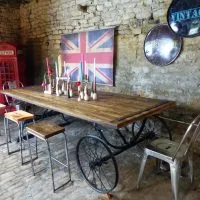
Choosing the perfect upcycled dining table is a journey that blends practical planning with a touch of heart. It’s about finding a piece that resonates with your story, supports sustainable values, and is built to host countless moments ahead. By considering space, style, craftsmanship, and lifestyle, you’re sure to find a functional masterpiece that transforms your dining room into a true centrepiece of your home