
In a world saturated with flat-pack conformity and mass-produced uniformity, the desire to own a piece of furniture with a soul—something created just for you—is stronger than ever. Whether you need a dining table that fits an awkward alcove perfectly or a wardrobe that finally offers the exact storage you need, commissioning a custom piece is an exciting investment. However, the success of your project hinges on one critical decision: how to choose the right bespoke furniture maker. The right craftsman doesn’t just build wood; they interpret your vision, solve spatial problems, and create an heirloom that could last a lifetime. This guide will walk you through the essential steps to ensure you find a true master of the trade.
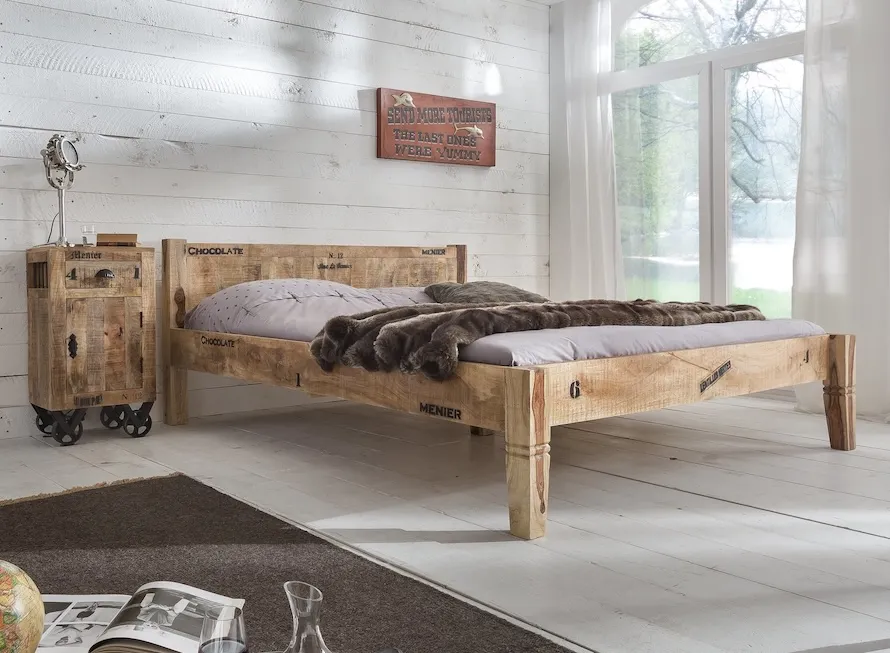
Before you even search for a maker, you need to have a clear idea of what you want. Gather inspiration from Pinterest, design magazines, or showrooms. Create a mood board that defines the style (e.g., rustic farmhouse, minimalist modern, industrial chic) and the functionality you require . Having a firm budget is equally crucial. Bespoke furniture is an investment in quality and individuality. Understanding your financial ceiling will help you filter makers whose pricing aligns with your expectations and prevents awkward conversations later in the process .
Step 2: Look Beyond the “Salesman”
Not everyone who offers “bespoke” services is a true designer-maker. Be wary of companies that send a sales representative with a laptop and a catalogue. These representatives often use templated software to “drag and drop” panels into a 3D model of your room. This is not true bespoke design; it is a standardised product dressed up as a personalised service . A genuine bespoke furniture maker is usually the person who will design and build your piece. They understand joinery, structural integrity, and material properties, ensuring that what looks good on paper will actually stand up to daily use .
Step 3: Scrutinise Their Portfolio and Experience
A picture speaks a thousand words, especially in craftsmanship. Ask to see a comprehensive portfolio of completed work. Look for diversity in their projects and pay close attention to the details—how do the corners meet? How do they handle grain matching? . If you are commissioning a specific item, such as a cabinet or a bed, ensure they have proven experience in that area . Experienced makers are also adept at handling tricky materials and challenging spatial constraints, such as sloping floors or uneven walls .
Step 4: Assess Their Design Process and Communication
The initial consultation is a telling indicator of how the project will unfold. The best makers will ask you extensive questions you might not have considered. They won’t just say “yes” to everything; they will offer professional guidance, suggesting alternatives that might work better structurally or aesthetically . They should be willing to listen to your needs, understand your lifestyle, and refine your ideas into practical, stylish solutions . Expect them to produce detailed technical drawings or CAD (Computer-Aided Design) visuals for your approval before any material is cut .
Step 5: Discuss Materials, Hardware, and Construction
Quality is found in the details. A reputable maker will be transparent about the materials they use. Are they using solid hardwoods like oak or walnut, or high-grade veneered MDF? Ask about the thickness of doors and panels—thicker panels generally feel more substantial and premium . Don’t overlook the hardware; soft-close mechanisms from brands like Blum are a hallmark of quality . Discuss the finishing process as well. Will it be hand-painted, spray-painted for a flawless finish, or pre-finished? The answers to these questions separate durable, beautiful furniture from pieces that will quickly show wear and tear .
Step 6: Verify References, Insurance, and Logistics
A true professional will be happy to provide references from past clients . Speaking to previous customers can give you invaluable insight into the maker’s reliability, adherence to timelines, and how they handle unexpected issues. Always ask for proof of public liability insurance to protect your home during installation . Finally, discuss the logistics: What is the timeline? How will the piece be installed? Will your floors and carpets be protected during the fitting? A clear plan for delivery and installation is the hallmark of a seasoned professional .
Conclusion
Commissioning a piece of custom furniture is a journey of collaboration, transforming your ideas into a tangible reality that enhances your home and your life. By following these steps—from defining your vision to verifying practicalities—you can navigate the process with confidence. Remember, the goal is not just to find a builder, but to find a partner who values quality as much as you do. Take your time, ask the hard questions, and you will be rewarded with a piece that is not only beautiful and functional but also carries the pride of true artistry. Ultimately, knowing how to choose the right bespoke furniture maker is the first and most important step in creating something extraordinary that your family can treasure for generations.