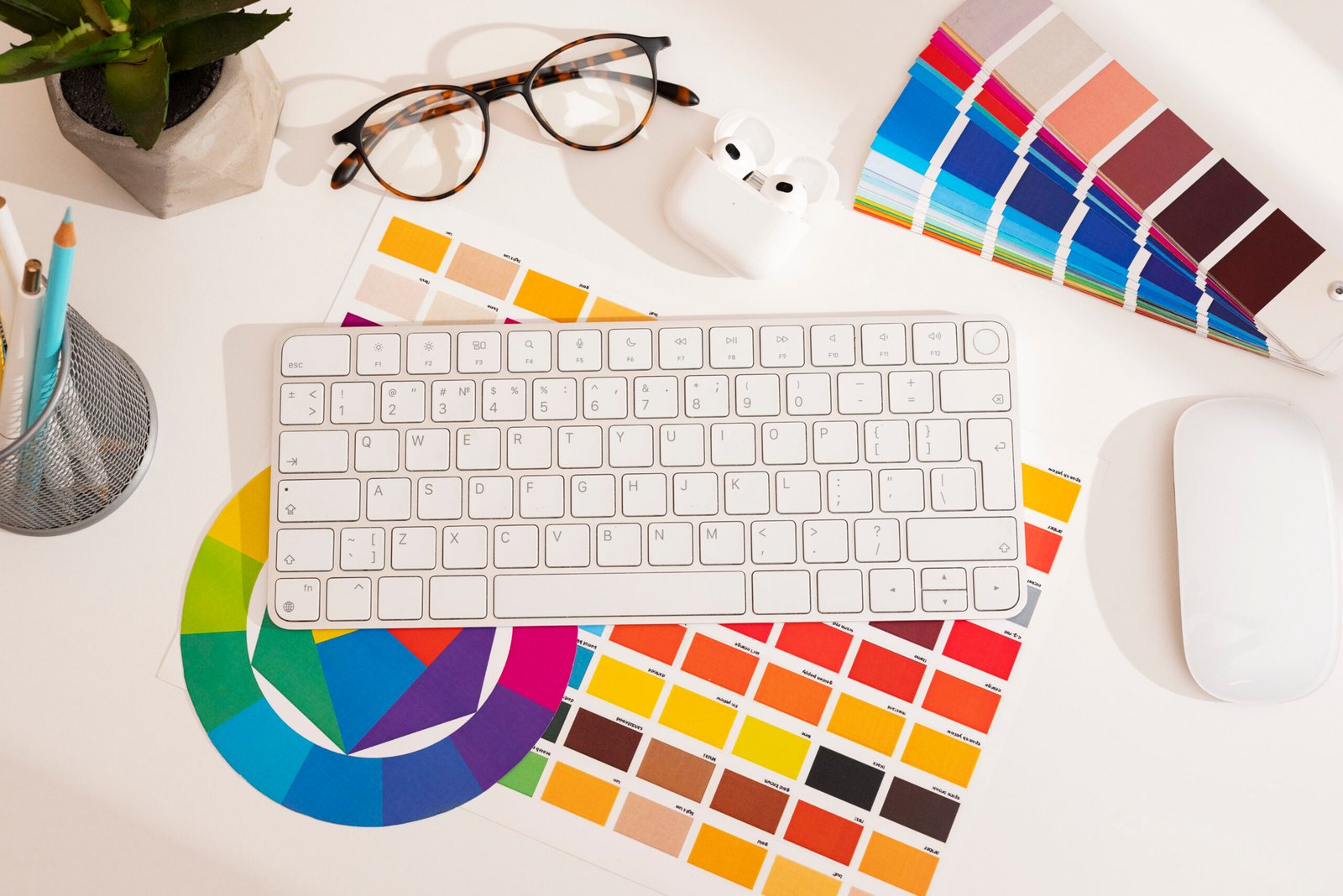
Colour has a significant impact on human psychology. It directly influences our mood and inner workings.
The psychology of colour is a fairly well-explored area of research, and many industries have made use of this information, taking advantage of it. For instance, many homes, workplaces and venues are designed with colour psychology in mind.
This science can be applied to the interior design of your own home, adapting spaces and rooms to moods and helping them to become more functional. By paying attention to the neon psychology of the colours when choosing your paints, decorations, furnishings and upholstery, you can make your home better.
The Science of Colour Psychology
As we touched on above, this is a popular area of psychological research, and the basics are firmly defined in scientific literature.
The influence that a colour can have on a person depends on qualities like its temperature, hue, saturation and brightness.
There are some interesting variables at play too. For instance, different colours appear to have diverse effects on people depending on their cultural background and demographics.
An example of this would be that white, in the Western world, is associated with weddings and innocence. On the other hand, in the East, it’s often linked to mourning. Similarly, red represents passion, love, and sometimes violence in the West. Yet, it’s a sign of good fortune in China.
Common Colours and Their Effects
In the following sections, we’ll discuss the most common psychological impacts of different colours and how they are interpreted in different situations.
It is known as a reliable, trustworthy and calming colour, mostly for its associations with the sky and sea. It tends to bring a sense of serenity, and for this reason, it is often used in bedrooms. Blue sofas and bedding are popular choices for the feeling of quietness they can offer.
Red
It is always a bold choice, normally representing passion, no matter if that’s love or anger. In humans, red stimulates the senses and provokes strong responses. For this reason, it should be used carefully and in a calculated way.
Yellow
This stimulates optimism and creativity. People typically use it to keep spaces light and encourage positive thinking. This is great for use in hallways or in kitchens, as it represents warmth and happiness.
Reflecting a connection to nature, green is a highly mindful colour. It brings a sense of balance and renewal and typically symbolises growth. Similar to blue, it can have a deeply calming effect, which is related to our instinctual connection to nature.
Purple
If your aim is creativity and luxury, then purple can be a great option. While lavender is a calmer colour, bright plum tones can be a bold way to express your style. These factors make purple ideal for creative studios and galleries.
Orange
This colour has a warming effect, which harmonises well with social spaces. Try using different shades of it in rooms and spaces where you are going to host guests. You’ll find that these areas of your home are imbued with a certain liveliness.
White/Neutrals
Such tones like white can have different effects, but it’s generally used in interior design to brighten spaces and make them feel bigger. White can have an especially calming vibe when used as part of a minimalist aesthetic.
Black/Grey
Darker shades are best used as accents and highlights. Their overuse can be too dark and overwhelming.
Colour Psychology in Online Spaces
Colour psychology isn’t limited to interior design — it’s also used in digital environments to influence behaviour and enhance user experience. For example, online gaming platforms often use bright, energetic colours like red, gold, and green to draw attention to key actions or promotional areas. Deeper tones like blue or purple are typically used to create a sense of trust, particularly around secure sections like user logins or payment portals. You can see this approach in action on Slotozilla’s UK bonus page, where colour is used to guide users toward relevant offers while creating an engaging, intuitive browsing experience.
On the other hand, deeper tones like blue and purple are commonly used to build trust and convey a sense of security, particularly around payment pages or user accounts.
The right use of colour online helps shape mood, guide focus, and make the overall pastime more engaging.
Using Colour to Shape Space Function
Location
Impact
Workspaces
Colour can be used to improve productivity in workspaces such as offices.
Bedrooms and lounges
Relaxation and calm can be brought to spaces through cooler colours like blue.
Active spaces (gyms, kitchens)
Energetic spaces benefit from passionate colours that help maintain a high-energy atmosphere.
Hospitality
Colour sets the mood depending on the venue type—bar, café, hotel or restaurant.
Healthcare
Calming colours support healing and mental wellbeing.
Bathrooms and clinical areas
Whites and blues reinforce cleanliness and make bathrooms feel more welcoming.
Colour Strategies for Home
When it comes to choosing a colour palette for your home, there are a few strategies that you’ll want to keep in mind:
Open-plan vs. room-specific: If your home is open-plan, you’ll end up using fewer different colours than you would if each room had a separate, unique style.
Seasons and climate: You may want the colours of your home to work with or against the natural surroundings, for example, adding additional colour when in a grey city.
Size of rooms: Lighter colours are better for smaller areas; they tend to help them feel larger.
Lighting: If you have specific ideas for lighting, be sure to study your colour choices in addition to these.
Architectural features: Colour can be used to either highlight or play down architectural features such as mouldings, alcoves, high ceilings and bannisters.
Your furnishings: If you have furniture already, be sure to see how it relates to your colour scheme.
Less Is More
Rather than simply coating any space with whichever colour you think will have the desired psychological impact, think about using it effectively and carefully combining colours.
It’s advisable to use a few different shades, with darker ones for highlights and lighter ones for larger surfaces like walls. For example, you could paint a room using white and sky blue, then use a darker blue, perhaps royal or navy, to add design elements to smaller surfaces or even textiles and furniture.
Some theories swear by the 60/30/10 rule. This states that, when decorating a room, you should paint it 60% the dominant colour (white or off-white in most cases), then 30% in your secondary colour, and 10% in accent colours.
Conclusion
There are many ways in which colour psychology can be associated with interior design. It is a powerful device in the right hands, but you should use it carefully. It’s better to plan a room in detail before buying paint.
Using the right colours can have a variety of effects. It can lighten moods, improve productivity, have a calming effect, or make a space look larger. Together with colour, think about lighting and surroundings and how one room leads into the next.
Have fun decorating, and don’t forget to use colour psychology to your advantage!