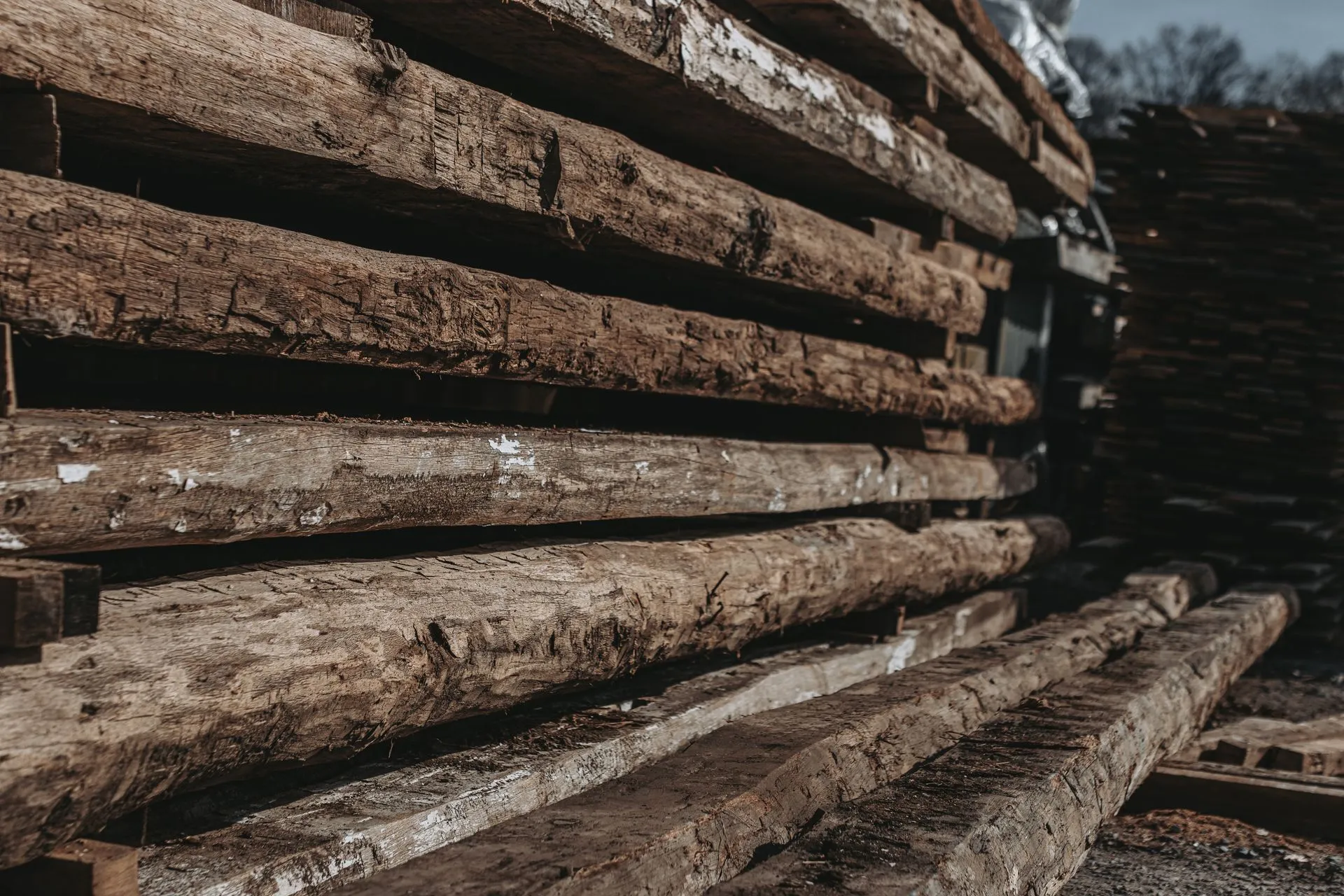
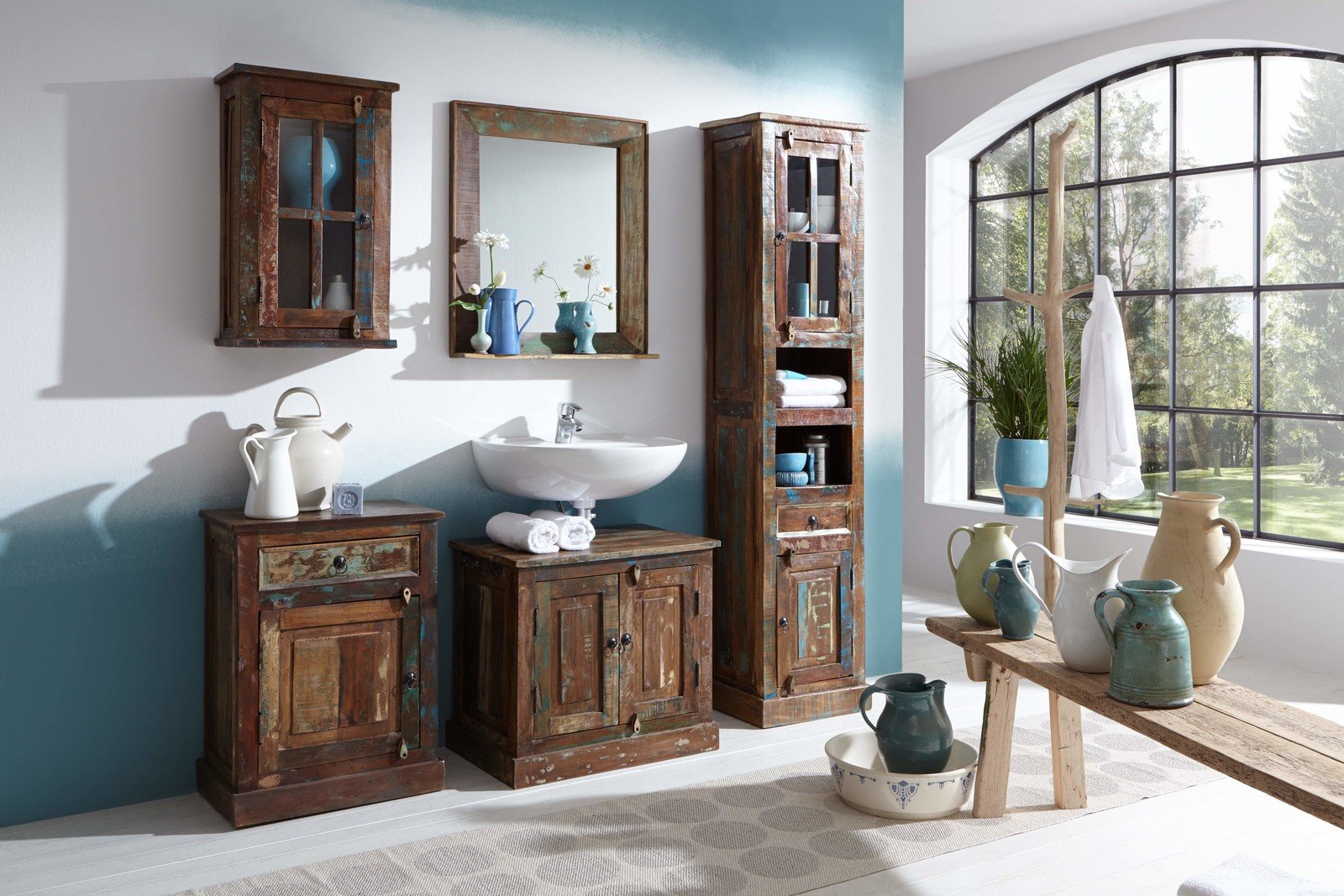
Wood has been one of the most widely used materials in furniture making for centuries. Different types of wood offer different characteristics such as durability, grain patterns, colour, strength and workability. These qualities influence how furniture looks, how long it lasts and how easy it is to manufacture.
Understanding the properties of common furniture woods helps explain why certain woods are chosen for specific types of furniture.
Most furniture woods fall into two main categories: hardwoods and softwoods.
Hardwood vs Softwood
Hardwoods come from deciduous trees, which are trees that lose their leaves each year. These woods tend to grow more slowly and often produce denser, stronger timber that is commonly used for high-quality furniture.
Softwoods come from coniferous trees that usually grow faster and remain evergreen. Softwoods are often lighter and easier to work with, making them popular for many types of furniture and construction.
Both hardwoods and softwoods are used in furniture manufacturing depending on the intended use, cost, and design style.
Comparison of Common Furniture Woods
Wood Type
Hardwood / Softwood
Typical Colour
Common Uses
Durability
Oak
Hardwood
Light to medium brown
Tables, cabinets, flooring
Very high
Walnut
Hardwood
Dark brown
Luxury furniture, desks
High
Mahogany
Hardwood
Reddish brown
Traditional furniture, cabinetry
High
Pine
Softwood
Pale yellow
Shelving, beds, rustic furniture
Medium
Cedar
Softwood
Light reddish brown
Outdoor furniture, storage chests
Medium
Oak
Oak is one of the most commonly used hardwoods in furniture production and has been used for centuries in traditional woodworking.
Characteristics
Strong and highly durable
Distinctive grain pattern
Resistant to wear and heavy use
Common Uses
Oak is frequently used for:
dining tables
cabinets
flooring
traditional furniture pieces
Because of its strength and durability, oak furniture can last for many decades when properly maintained.
Walnut
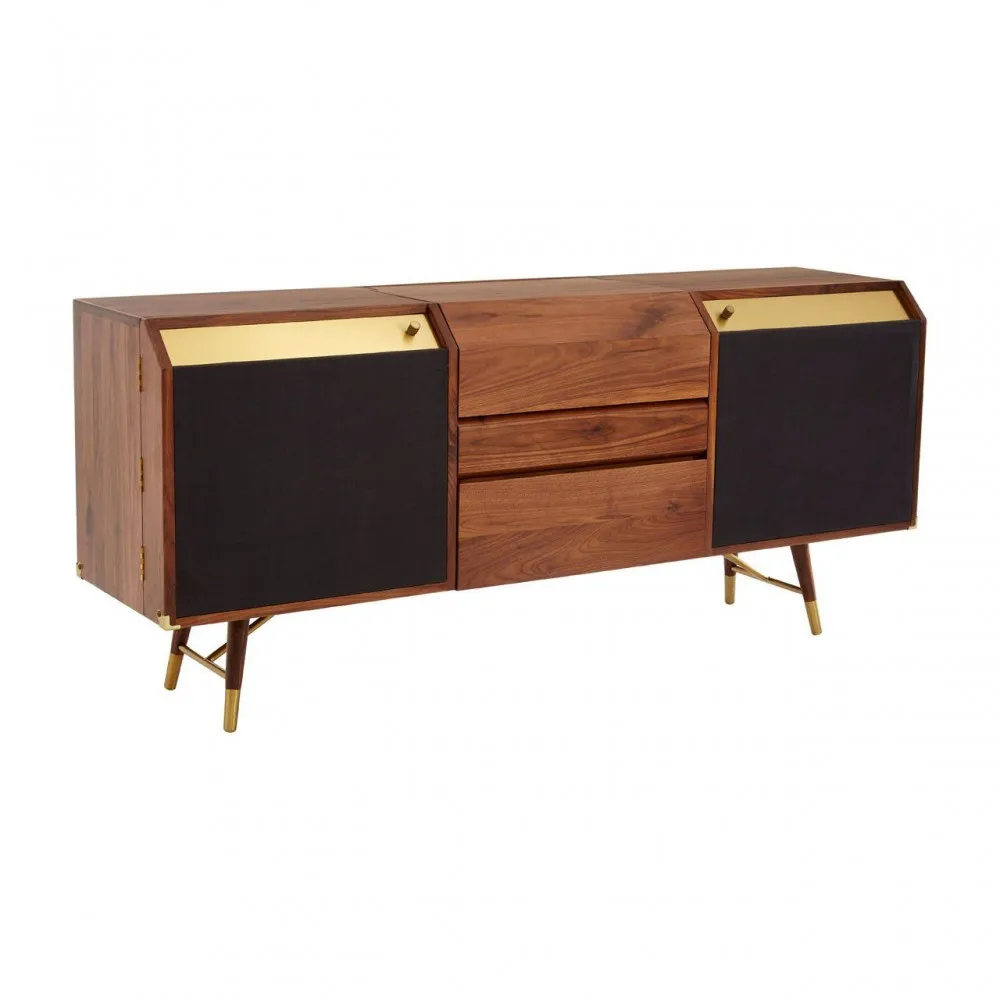
Walnut is a hardwood valued for its rich colour and elegant appearance. It is often associated with high-end furniture and decorative woodworking.
Characteristics
Dark brown colour
Smooth grain pattern
Strong but relatively easy to work with
Common Uses
Walnut is commonly used in:
luxury furniture
desks
cabinets
decorative veneers
Its deep colour and natural finish make walnut a popular choice for premium furniture designs.
Mahogany
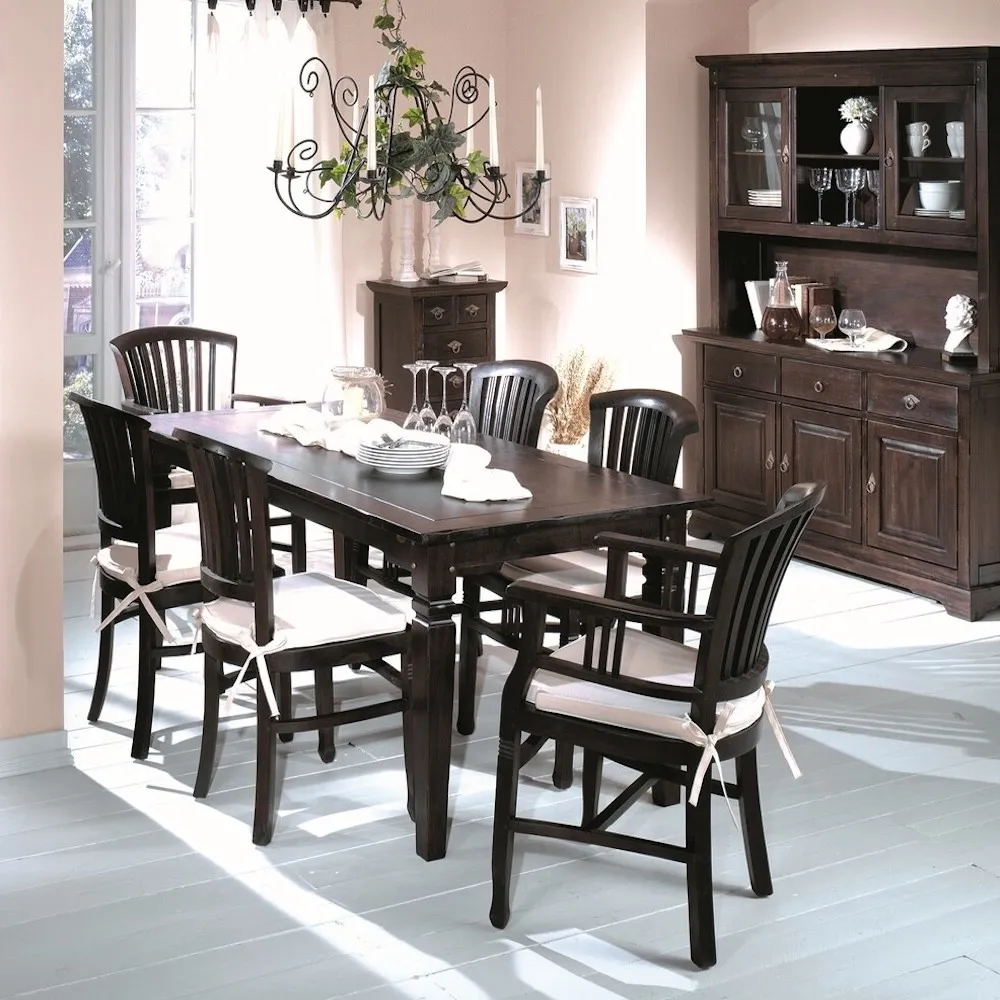
Mahogany has historically been associated with fine furniture craftsmanship. It has been widely used in traditional furniture making for many generations.
Characteristics
Reddish brown colour
Fine, straight grain
Good resistance to warping
Common Uses
Mahogany is often used in:
antique-style furniture
cabinetry
decorative woodwork
musical instruments
Its stability and attractive colour make it a preferred material for classic furniture styles.
Pine Wood
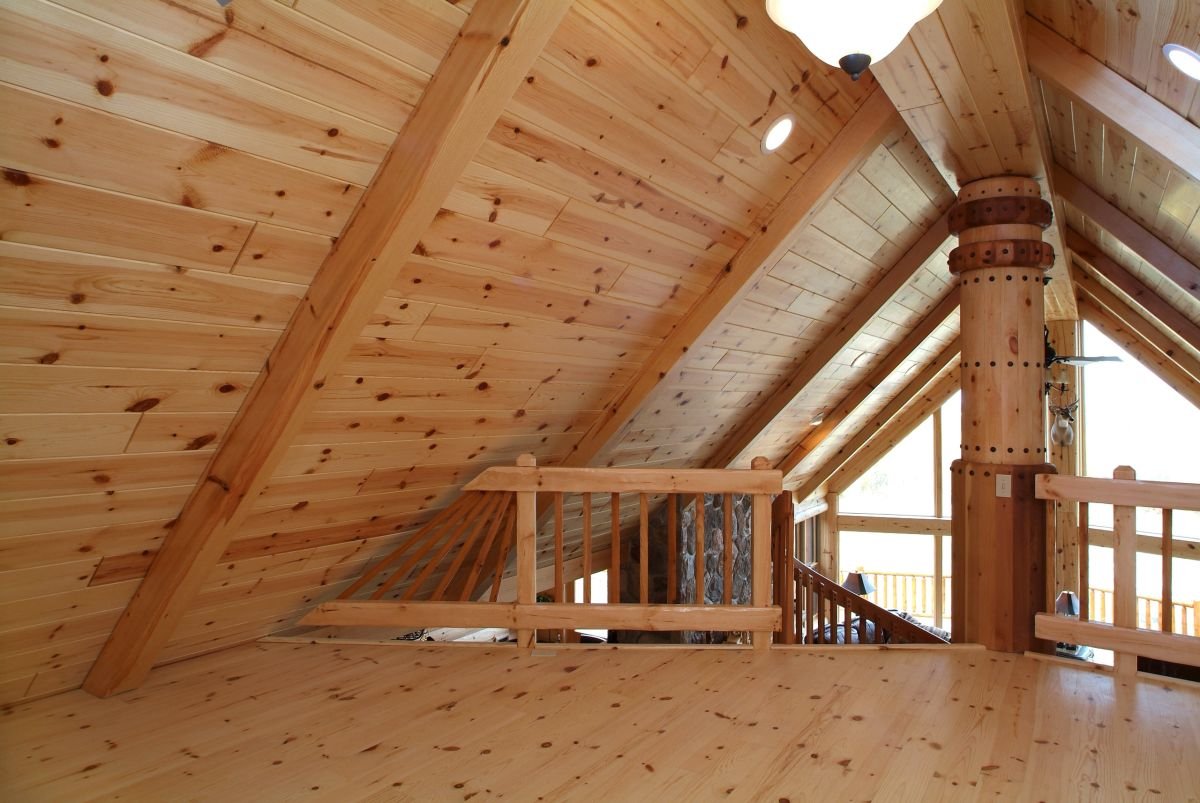
Pine is one of the most widely available softwoods used in furniture making. Because pine trees grow quickly, the wood is relatively affordable and easy to obtain.
Characteristics
Lightweight
Easy to cut and shape
Pale yellow or light brown colour
Common Uses
Pine is often used for:
bedroom furniture
shelving
rustic furniture
painted furniture
Pine is popular in modern furniture production because it is easy to work with and widely available.
Cedar
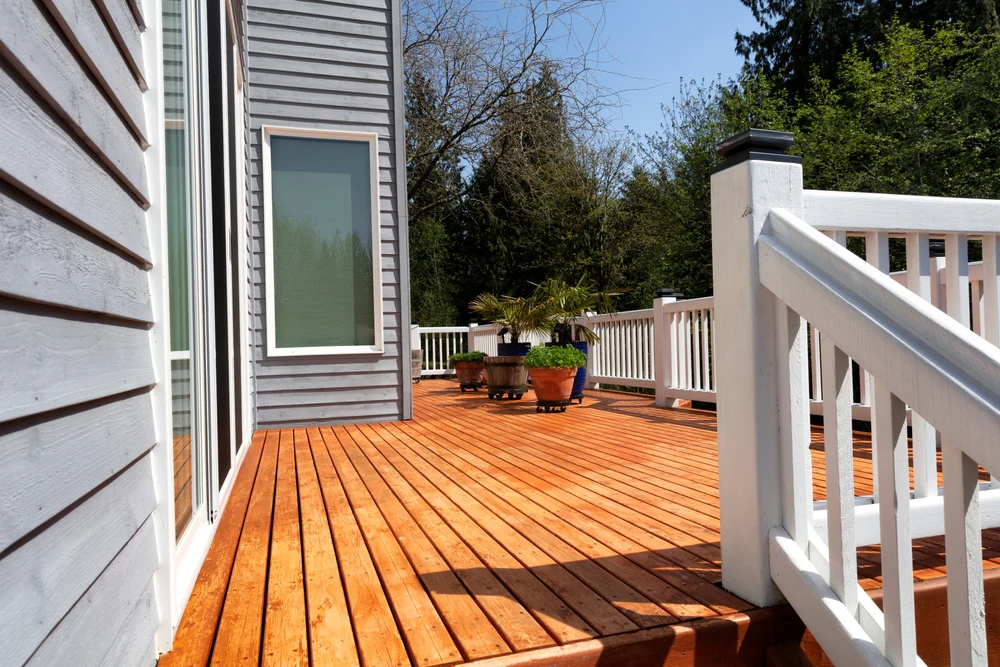
Cedar is a softwood known for its natural resistance to insects and moisture. It also has a distinctive aroma.
Characteristics
Aromatic scent
Natural pest resistance
Lightweight structure
Common Uses
Cedar is commonly used in:
outdoor furniture
wardrobes and closets
storage chests
garden furniture
Its natural resistance to insects makes cedar particularly useful for storing clothing and fabrics.
Janka Hardness and Wood Strength
One way to measure the strength of wood used in furniture is through the Janka hardness rating. This test measures how resistant wood is to dents and wear.
Woods with higher hardness ratings are generally more durable and better suited to furniture that receives heavy use, such as tables and flooring.
Hardwoods such as oak and walnut typically have higher hardness ratings than softwoods like pine.
Sustainable Wood in Furniture
Modern furniture manufacturing increasingly focuses on sustainability and responsible forestry practices. Sustainable wood sourcing helps ensure forests are managed in a way that balances environmental protection with timber production.
Responsible forestry practices aim to:
maintain forest ecosystems
protect wildlife habitats
ensure long-term timber availability
reduce environmental impact
Many furniture manufacturers now consider sustainability when choosing wood materials for their products.
Why Wood Choice Matters in Furniture
The type of wood used in furniture affects several important factors, including:
durability and strength
appearance and grain pattern
weight of the furniture
cost of production
resistance to moisture and pests
Different woods are selected depending on the design, function and intended lifespan of the furniture piece.
Summary
A wide variety of woods are used in furniture manufacturing, each offering unique properties. Hardwoods such as oak, walnut and mahogany are commonly chosen for their durability and appearance, while softwoods such as pine and cedar are valued for their workability and availability.
Understanding the characteristics of different woods helps explain how furniture is constructed and why certain materials are preferred for different types of furniture design.