
In the world of interior design and personalised decor, few things capture attention quite like a custom neon sign. Vibrant, nostalgic, and utterly unique, these glowing creations have evolved from commercial signage to statement pieces in homes, weddings, and offices. But have you ever wondered how a simple idea transforms into a radiant work of art? Let’s illuminate the process—from initial concept to final glow.

Step 1: The Spark – Design & Conceptualization
It all begins with your idea. Whether it’s a favourite quote, a logo, or a custom illustration, the design phase is where creativity meets technical planning.
-
Digital Mockups: Designers use software like Adobe Illustrator to create a vector-based design. This ensures clean lines and scalability.
-
Technical Adjustments: Neon signs require uniform tubing width and careful planning for electrical connections. Designers may adjust spacing or simplify complex elements to ensure the final product is both beautiful and functional.
-
Color Selection: Modern neon isn’t limited to traditional hues. LED-based neon allows for millions of colors, often controllable via remote or smartphone app.
Step 2: Bending the Light – Fabrication
This is where the magic happens. Traditional neon signs are handmade by skilled artisans called “glass benders.”

For Traditional Glass Neon:
-
Tubing Selection: Glass tubes are chosen in specific diameters, depending on the design.
-
Heating & Bending: Using precision torches, the artisan heats the glass tubing until pliable, then bends it section by section over a flame-resistant template. This requires exceptional skill—each bend must be exact.
-
Electrode Attachment: Metal electrodes are sealed to each tube end.
-
Pumping & Filling: The tube is evacuated of air, then filled with a small amount of noble gas (like neon for red/orange, argon for blue, or blends for other colors). For colored glass, phosphor coatings inside the tube interact with the gas to create different hues.
For LED Flex Neon (Modern Alternative):
Many personalised signs today use flexible LED silicone tubing, which offers similar aesthetics with added durability and energy efficiency.
-
Cutting & Shaping: The LED neon flex is cut according to the design pattern.
-
Bending: The flexible material is easily shaped by hand along a template.
-
Connections: LED modules and wiring are connected, often allowing for color-changing features.
Step 3: Powering Up – The Backing & Wiring
Once the tubing is shaped, it’s mounted onto a backing material—usually acrylic, PVC, or wood.
-
Mounting: The neon tube or LED flex is secured with custom-made brackets or clips.
-
Wiring: Transformers (for traditional neon) or power supplies (for LED) are installed, along with any controllers for dimming or color changes.
-
Testing: Every sign undergoes rigorous testing to ensure even illumination, correct color, and safety.
Step 4: The Final Touch – Quality Check & Packaging
Before it heads to your doorstep:
-
Safety Inspections: All electrical components are checked for compliance.
-
Protective Packaging: Custom boxes with ample padding ensure your sign arrives safely, ready to hang.

Why Go Personalised?
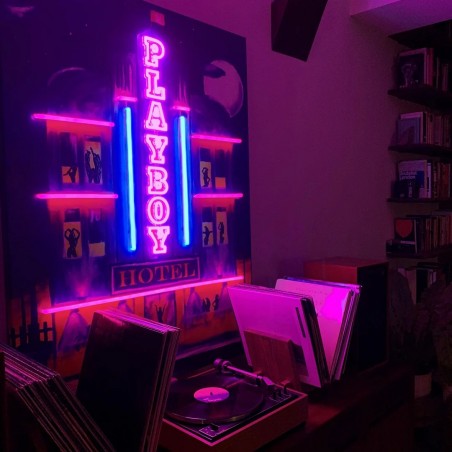
A custom neon sign is more than decor—it’s a expression of identity. Whether it’s a motivational mantra above your home office desk, a couple’s name glowing softly in the bedroom, or a business logo that captivates customers, these signs carry a personal story. And with modern LED options, they’re energy-efficient, cool to the touch, and built to last for years.
Ready to Light Up Your Space?
The journey from design to glow is a blend of art, craftsmanship, and technology. In a world of mass-produced items, a personalised neon sign remains a vibrant testament to individuality. So, what will your light say?