
There is a noticeable shift happening in the world of interior design. For the past decade, home décor has been dominated by sleek lines, glossy finishes, and the stark minimalism of the modern industrial era. However, if you browse current design magazines or scroll through social media feeds, you will start to notice a warm, organic trend re-emerging. Homeowners are turning away from the cold sterility of mass-produced items and are instead yearning for spaces that feel grounded, authentic, and alive. This movement back to nature is bringing rustic and organic aesthetics to the forefront of modern living.
At the heart of this resurgence is a collective desire to reconnect with the earth and embrace sustainability. In a world that is increasingly digital and fast-paced, our homes have become sanctuaries where we seek refuge from the screen. Natural and rustic furniture reclaimed wood bed styles offer a tactile experience that glass and chrome simply cannot replicate. They tell a story of the forest, the craftsman, and the passage of time. By incorporating these elements, we are not just decorating a room; we are curating an environment that promotes calmness and a sense of permanence. This return to authenticity is why natural and rustic furniture styles are no longer just for cabins in the woods—they are becoming staples in urban apartments and suburban homes alike.
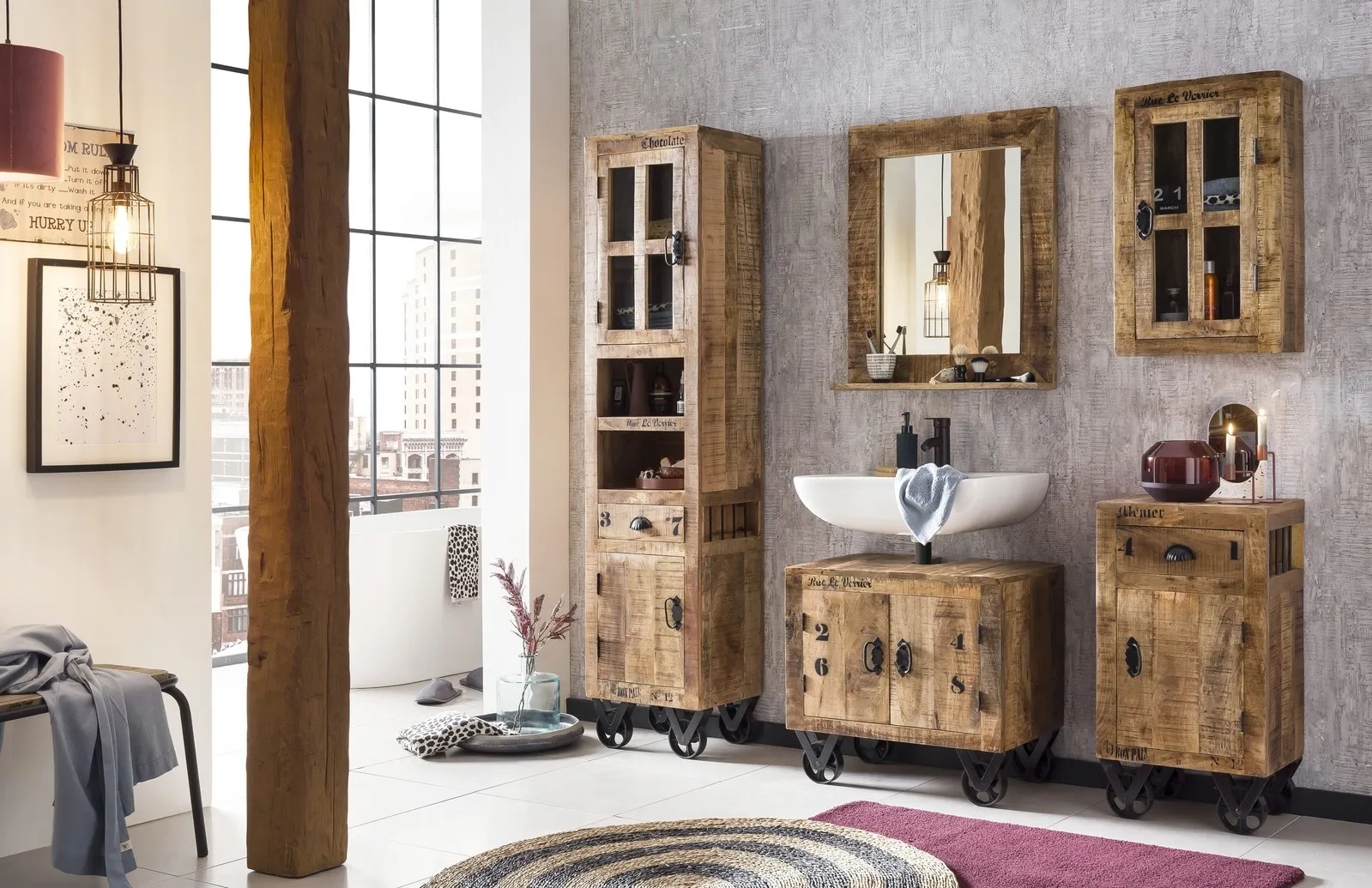
The Rise of “Biophilic” Design
One of the primary drivers behind this trend is the growing understanding of biophilic design. This concept, which has gained significant traction among architects and interior designers, suggests that humans have an innate biological connection to nature. When we surround ourselves with natural elements, our stress levels decrease, our creativity increases, and our overall mood improves. Rustic furniture fits perfectly into this philosophy. Unlike synthetic materials, wood breathes and ages gracefully. Its imperfections—the knots, the grain variations, and the color shifts—are not flaws but features that bring the unpredictability of the outdoors inside. This connection helps create a home that doesn’t just look good but also feels good to live in.
The Shift Away from Disposable Culture
Furthermore, there is a growing frustration with the “disposable” nature of fast furniture. Items that are cheaply made from particleboard and laminates often fall apart within a few years, ending up in landfills. Consumers are becoming more conscious of their purchasing power and are seeking heirloom-quality pieces that can last a lifetime. Rustic furniture, typically built from solid hardwoods like oak, hickory, or walnut, is inherently durable. This style champions quality over quantity. Investing in a single, well-made rustic dining table is a statement against the throwaway culture, reflecting a lifestyle that values longevity and sustainability. It is a design choice that aligns with a more thoughtful and environmentally conscious way of living.
The Focal Point: The Reclaimed Wood Bed
Nowhere is the beauty of this movement more evident than in the bedroom, specifically with the centerpiece of the room: the bed frame. If you are looking to transform your sleeping space into a rustic retreat, consider the impact of a reclaimed wood bed. Unlike a standard manufactured bed frame, a piece made from reclaimed timber carries history. The wood might have once been part of a barn in Pennsylvania, a factory floor in Ohio, or a decommissioned fishing boat. The nail holes, the saw marks, and the weathered patina are remnants of a previous life, giving the bed a soul that a new piece of wood simply cannot possess. Sleeping in a bed crafted from such materials creates a profound sense of history and grounding. It serves as a daily reminder of durability and the beauty of giving old materials a new purpose, making your bedroom not just a place to sleep, but a sanctuary of stories.
Texture, Warmth, and the “Wabi-Sabi” Influence
Beyond the furniture itself, the rustic comeback is also about embracing texture. Smooth, painted drywall is being contrasted with rough-hewn beams. Polished concrete floors are being softened with natural jute or wool rugs. This interplay of textures adds depth and visual interest to a space. It also aligns closely with the Japanese philosophy of wabi-sabi, which finds beauty in imperfection and transience. A live-edge wood slab coffee table, which retains the natural contours of the tree trunk, is a perfect example of this. It is not perfectly geometric, but its organic shape brings a unique, artistic energy to a living room. This acceptance of the imperfect allows for a more relaxed and personalized home environment, moving away from the “picture-perfect” pressure of highly stylized interiors.
How to Incorporate Rustic Style Today
Finally, it is important to note that the modern comeback of rustic style is not about recreating a log cabin from the 1800s. Today’s interpretation is far more sophisticated. The key is balance and contrast. You can pair a heavy, rustic farmhouse table with sleek, modern acrylic or metal chairs to keep the look fresh. A rugged stone fireplace can be set against a wall of clean, white drywall and minimalist artwork. The goal is to let the natural elements stand out as focal points without overwhelming the space. By mixing rustic pieces with contemporary art, modern lighting, and neutral textiles, you create a home that is both timeless and current—a space that honors the past while being perfectly suited for modern life.