
In an age of mass-produced flat-pack furniture, there’s a growing yearning for pieces with soul, history, and a story to tell. Enter the world of furniture crafted from wood with a past. This isn’t just about choosing a table or a bookshelf; it’s about inviting a fragment of history into your home, characterised by unique imperfections and timeless resilience. Let’s explore why this choice is captivating British homeowners, what styles you can achieve, and reclaimed timber furniture uk how to make an informed purchase.
Why Choose Wood with a Past? The Compelling Benefits
-
Sustainability at its Heart: Perhaps the most significant appeal is the profound environmental benefit.
By giving old wood a new purpose, we reduce the demand for virgin timber, minimise deforestation, and divert valuable materials from landfill. Each piece represents a closed-loop cycle, making it one of the most eco-conscious choi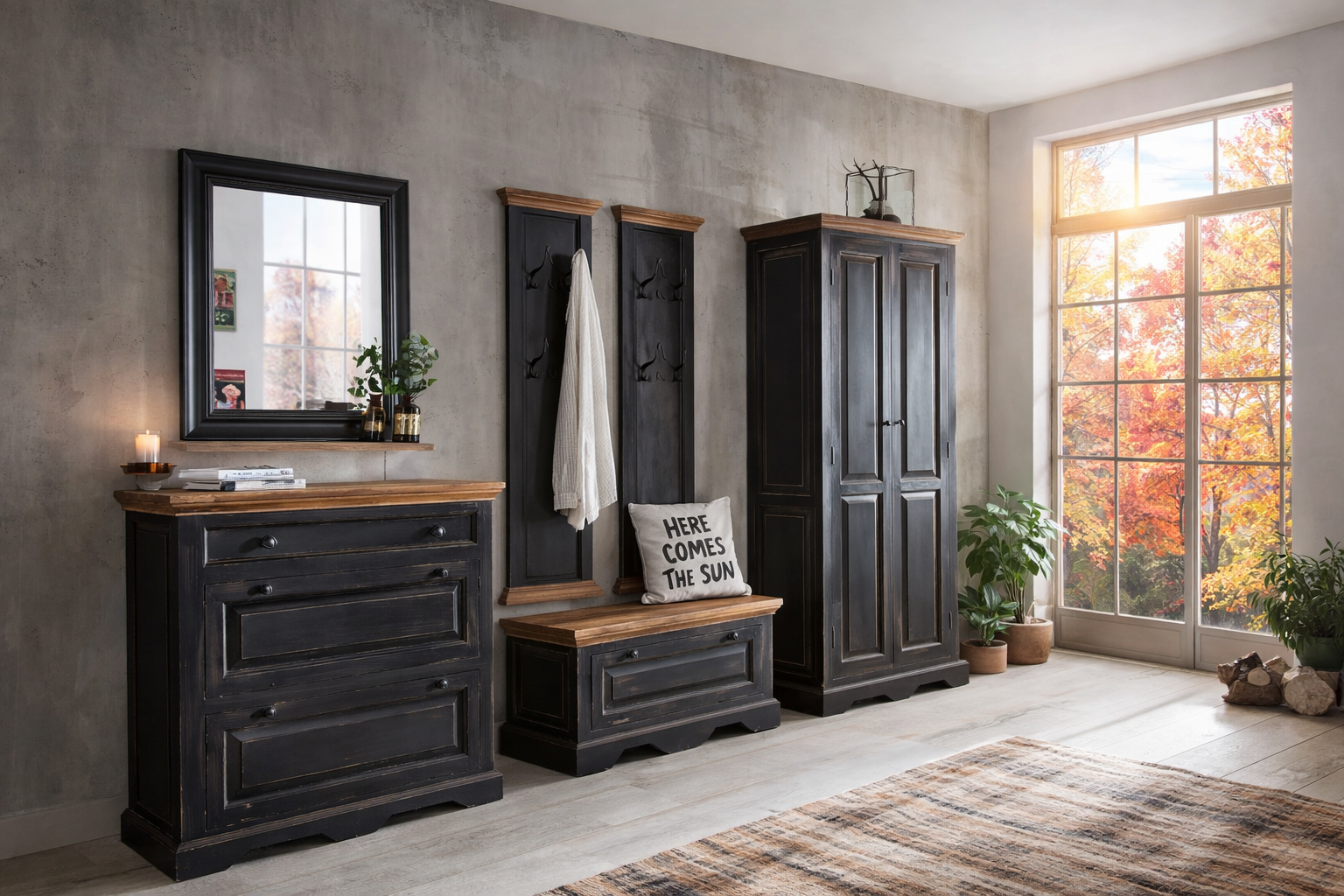
-
ces for your home. You’re not just buying furniture; you’re making a positive environmental statement.
-
Unmatched Character and Story: This wood has lived a life. Sourced from old barns, factories, railway sleepers, or warehouses, it carries the tangible marks of time: weathered patinas, subtle nail holes, saw marks, and rich colour variations that simply cannot be replicated. These “flaws” are its beauty, ensuring your piece is utterly unique. Imagine a dining table that once formed part of a Victorian factory floor – it becomes a conversation centrepiece.
-
Incredible Durability: The timber used decades or even centuries ago was often slow-grown, resulting in a denser, stronger grain structure than much of today’s fast-grown commercial wood. Having already weathered the test of time, it’s typically exceptionally stable and robust. When expertly crafted, these pieces are heirlooms, built to last for generations.
-
A Reduced Carbon Footprint: The process of recycling existing wood requires far less energy than felling, transporting, and processing new trees. This significantly lowers the embodied carbon in the final piece, adding another layer to its green credentials.

Finding Your Style: From Rustic to Refined
The beauty of this material lies in its versatility. It can be adapted to suit a wide range of interior aesthetics.
-
Industrial & Urban: Think bold, functional pieces that celebrate the wood’s raw history. Exposed joinery, metal accents (like iron brackets or hairpin legs), and the preservation of original saw marks or paint flecks define this look. Perfect for loft apartments or adding an edge to a modern space.
-
Rustic & Farmhouse: This style embraces warmth and tradition. Expect chunky profiles, simple lines, and a finish that highlights the wood’s natural grain and weathering. A large farmhouse table or a sturdy Welsh dresser in reclaimed oak epitomises this cosy, country feel.
-
Modern & Scandinavian: Here, the wood is often meticulously planed and finished with a clean, smooth surface, allowing its inherent beauty to shine through in a more subdued way. Paired with minimalist designs, light tones, and sleek lines, the result is contemporary warmth—think a sleek, pale-ash console table.
-
Coastal: Weathered, sun-bleached woods, often from old boatyards or seaside structures, are ideal for creating a relaxed, nautical vibe. Pale greys and silvery tones, combined with simple, airy designs, bring a breath of fresh sea air indoors.
Your Essential Buying Guide: What to Look For
To ensure you invest in a quality piece that will last, follow these key steps:
-
Ask for Provenance: A reputable maker will know and gladly share the story behind their materials. Was it from a Scottish whisky cask, a Lancashire mill, or a demolished London warehouse? Provenance adds authenticity and value.
-
Prioritise Craftsmanship: Examine the construction. Look for solid joinery techniques like dovetail, mortise-and-tenon, or finger joints. Avoid pieces overly reliant on nails or poor-quality glue. The craftsmanship is what transforms old wood into a future heirloom.
-
Check the Finish: A good finish is crucial. It should be smooth to the touch and properly seal the wood. Ask what products have been used—natural oils or hard-wax oils are excellent choices as they protect while allowing the wood to breathe. Ensure the finish is food-safe for items like dining tables.
-
Embrace Imperfection, Check for Stability: While character marks are desirable, ensure the piece is structurally sound. It should not rock on a flat floor. Check that drawers slide smoothly and doors hang square. The imperfections should be aesthetic, not functional.
-
Support True Artisans: Seek out smaller, dedicated workshops and skilled craftspeople over large importers. Not only does this support the reclaimed timber furniture UK maker economy, but you also get direct access to the person who built your furniture, ensuring better quality and service.
Choosing furniture fashioned from salvaged wood is a decision that rewards you every day. It connects your home to Britain’s industrial and rural heritage, offers unparalleled beauty, and stands as a sustainable choice for the future. By taking the time to understand its benefits, styles, and what marks true quality, you can find a piece that doesn’t just fill a space in your room, but also fills a space in your story.