In many homes and offices today, bottled water dispensers have become a common sight. Large 18.9-litre bottles sit on tabletop coolers, providing chilled drinking water throughout the day. For many people, bottled water feels cleaner, safer, or simply more convenient than turning on the tap.
But this raises an important question many people search online:
Is water from tap safe to drink?
Understanding the difference between tap water and bottled water can help people make informed choices about what they drink every day.
Is Water From Tap Safe to Drink?
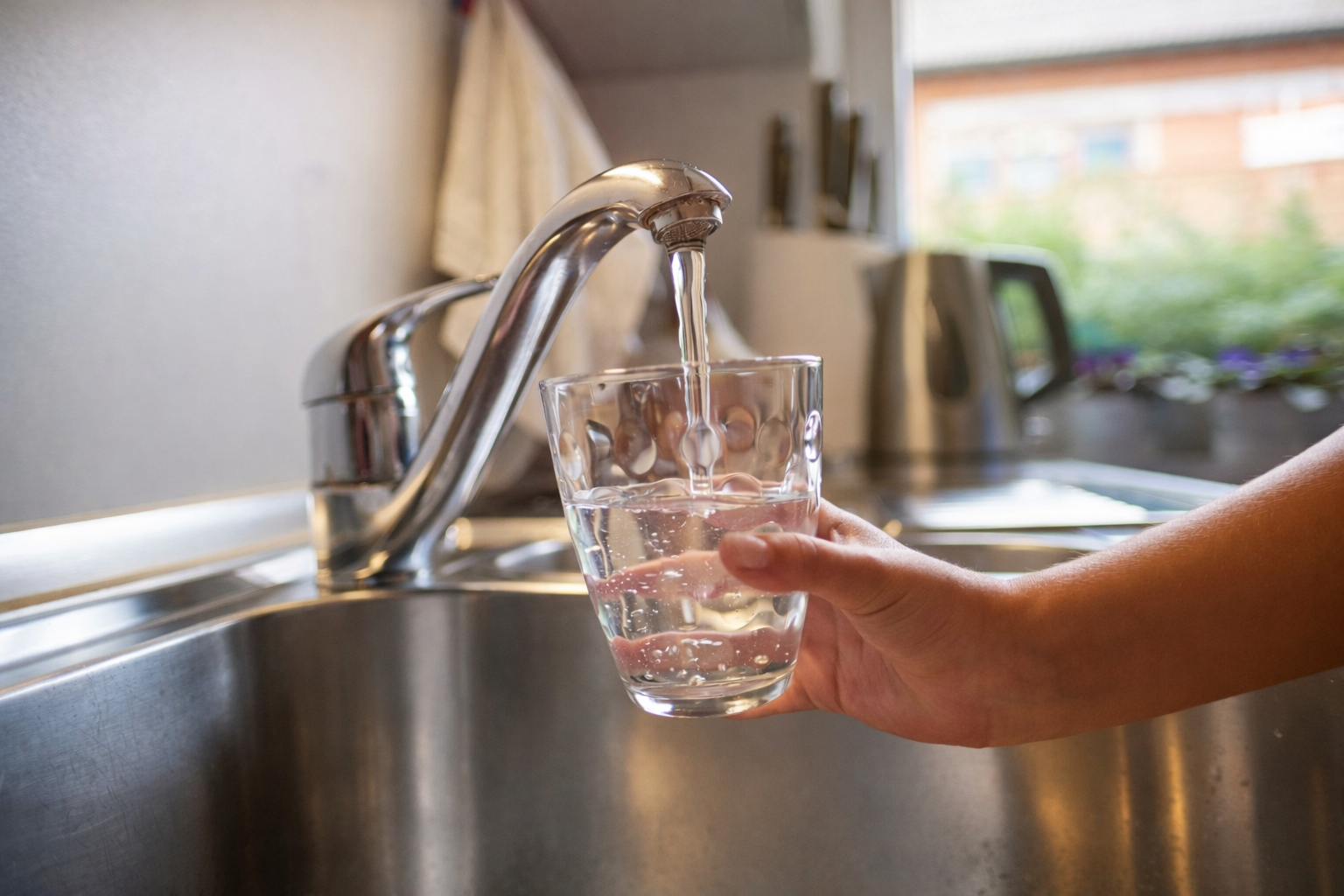
In most developed countries, tap water is considered one of the most heavily regulated food products available. Public water supplies are treated and monitored to meet strict safety standards designed to protect public health.
Water treatment plants remove harmful microorganisms and contaminants through processes such as:
filtration
sedimentation
disinfection (often with chlorine or ultraviolet treatment)
Because of these safeguards, tap water is generally safe for daily drinking and cooking. In fact, municipal water systems are tested frequently to ensure they remain within safe limits for substances such as bacteria, nitrates, and heavy metals.
That said, public concerns about water quality sometimes arise due to ageing infrastructure, environmental pollutants, or news stories about contaminants. These concerns often lead people to consider alternatives such as filtered or bottled water.
Can You Drink Water From the Tap in London?
A common question people ask is:
Can you drink water from the tap in London?
The answer is yes. Tap water in London and others city’s and towns is treated and supplied by regulated water companies and must meet strict national drinking water standards.
Water in London typically comes from:
the River Thames
the River Lea
underground aquifers
Before reaching homes and businesses, this water undergoes multiple treatment stages to remove impurities and ensure it is safe to drink.
While London tap water is considered safe, it is known for being “hard water.” This means it contains higher levels of natural minerals such as calcium and magnesium. Hard water is safe to drink but may affect taste or leave limescale deposits on kettles and appliances.
What Is Spring Water?
Another term people often encounter is spring water.
So, what is spring water?
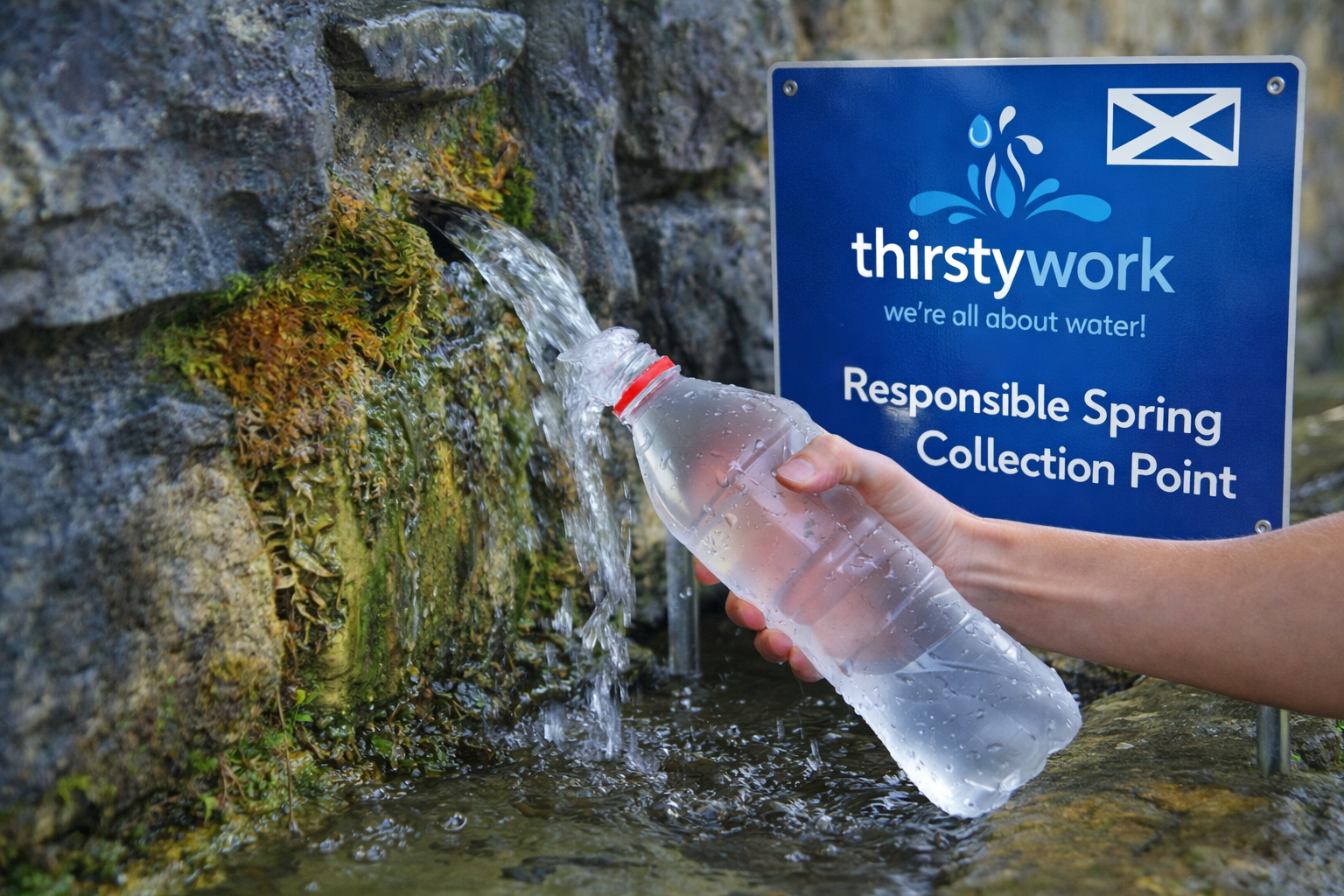
Spring water is groundwater that flows naturally to the surface from an underground aquifer. It is typically collected at the source or through a borehole that taps into the underground water supply.
Unlike treated tap water, spring water is often bottled with minimal processing. However, it must still meet strict safety standards before it can be sold for drinking.
Spring water usually contains natural minerals picked up as the water travels through rock formations underground. These minerals can influence the taste and composition of the water.
Tap Water vs Spring Water
Both tap water and spring water are considered safe to drink when they meet regulatory standards, but they differ in several ways.
Feature
Tap Water
Spring Water
Source
Municipal treatment plants
Natural underground springs
Treatment
Filtered and disinfected
Usually minimally processed
Mineral content
Varies by region
Naturally occurring minerals
Cost
Very low
Typically higher
For many people, the main differences between the two are taste, convenience, and preference rather than safety.
Why Some People Prefer Bottled Water
Even though tap water is widely considered safe, bottled water and water dispensers remain popular for several reasons.
These include:
convenience in offices or workplaces
chilled water availability
taste preferences
concerns about local plumbing or infrastructure
Water dispensers using large refillable bottles are also commonly used in workplaces where many people need easy access to drinking water throughout the day.
What Can Be Found in Tap Water and Bottled Water?
When people search questions like “is water from tap safe to drink?” or “can you drink water from the tap in London?”, the concern usually comes from things they have heard online about chemicals or contaminants in drinking water.
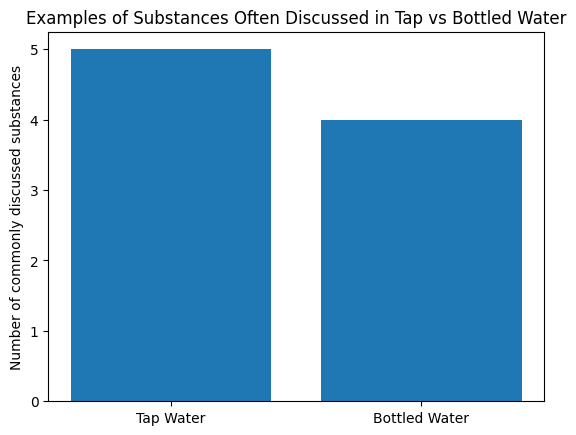
The truth is that both tap water and bottled water can contain trace substances. These are usually present at very low levels and are monitored by regulators, but understanding what can be found in each helps people make informed choices.
What Can Be Found in Tap Water
Tap water goes through treatment before reaching homes, but trace substances can still sometimes be detected. Some of the most commonly discussed include:
Chlorine
Chlorine is added to drinking water to kill bacteria and harmful microorganisms. It helps keep water safe as it travels through pipes to homes.
Heavy metals
In some cases, small traces of metals such as lead, nickel, or arsenic may appear in water. These often come from old plumbing rather than the water supply itself.
Microplastics
Tiny plastic particles have been found in both tap and bottled water samples in scientific studies. Research in the UK has found microplastics in drinking water samples, although the long-term health effects are still being studied.
PFAS (“forever chemicals”)
PFAS are synthetic chemicals used in many products such as non-stick cookware and waterproof materials. Because they break down very slowly, they can enter water sources and are increasingly being monitored by regulators.
Trace pharmaceuticals
Studies have detected extremely small traces of medications or hormones in rivers and water systems due to wastewater returning to the environment. These are typically found at very low concentrations.
What Can Be Found in Bottled Water
Many people assume bottled water is completely pure, but it can also contain trace substances depending on the source and packaging.
Microplastics from packaging
Plastic bottles can shed tiny plastic particles into the water over time. Studies have found microplastics in both bottled and tap water, often at similar levels.
PFAS and environmental chemicals
Research has detected PFAS compounds in both bottled water and tap water samples in multiple countries.
Natural minerals
Spring water often contains naturally occurring minerals such as calcium, magnesium, or sodium picked up as water travels through underground rock formations.
Contamination during bottling or storage
Because bottled water is stored in plastic containers and transported over long distances, contamination can sometimes occur during processing, packaging, or storage.
Which One Is Worse?
In reality, there is no simple answer.
Both tap water and bottled water can contain trace substances, and the actual quality depends on factors such as:
the local water source
treatment processes
bottling methods
packaging materials
storage conditions
In many developed countries, tap water is extensively regulated and tested, while bottled water is regulated as a packaged food product. The safety of both ultimately depends on how well those standards are maintained.
A Practical Tip: Test Your Own Water
Instead of relying entirely on information online, one of the most practical things you can do is test your own water.
You can purchase simple home water testing kits that check for things such as:
chlorine levels
heavy metals
pH levels
bacteria
total dissolved solids (TDS)
An interesting experiment is to:
Test tap water from your kitchen
Test water from the bottled water you normally drink
Compare the results
This gives you real data about the water you personally drink, rather than relying only on general studies or headlines.
The Bottom Line
Online discussions about drinking water often focus on potential contaminants, but it’s important to keep things in perspective.
Both tap water and bottled water can contain trace substances, yet they are typically well within regulated safety limits in developed countries. Understanding what may be present—and testing your own water if you’re curious—can help you make more confident decisions about the water you drink.
A Balanced Perspective
Both tap water and bottled spring water can be safe options depending on where they come from and how they are regulated.
For many people, tap water provides a convenient and affordable source of drinking water. Others prefer bottled water due to taste, convenience, or personal preference.
Understanding where water comes from and how it is treated helps consumers make informed decisions about the water they drink every day.