
There is a growing desire to step away from the cold, sterile aesthetic of stark white walls and mass-produced decor and return to something more fundamental. We are craving spaces that feel grounded, authentic, and alive. This shift in interior design is about embracing imperfection and celebrating the beauty of the natural world. By incorporating raw elements, we can transform our homes into sanctuaries that promote calm and well-being. Central to this philosophy is the use of materials that have a story to tell, and nothing anchors a room quite like the rich character of reclaimed wood furniture.
Why Go Natural?
Before we dive into the “how,” it’s important to understand the “why.” Natural materials engage the senses in a way that synthetics cannot. The grain of wood, the cool touch of stone, and the soft texture of wool create a multi-sensory experience. They also age gracefully, developing a patina over time that adds depth to your home. Building an earthy space isn’t just about a design trend; it’s about creating a healthy, grounding environment.
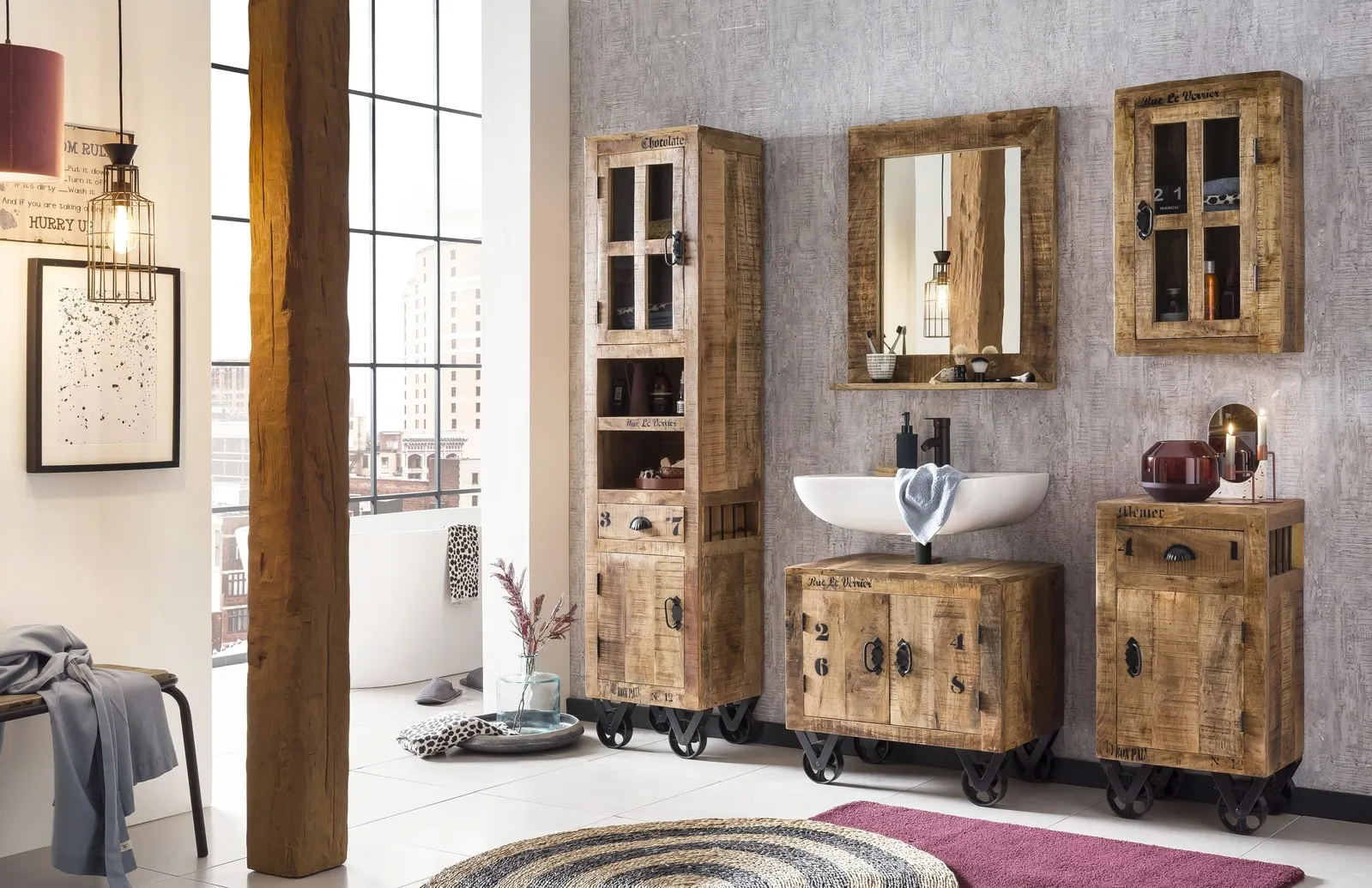
Here is a step-by-step guide to achieving this look, layering textures and materials to build a warm, earthy haven.
Step 1: Establish a Foundation with Wood
Wood is the quintessential natural material. It brings warmth, texture, and a sense of history to any room. To truly capture an earthy aesthetic, look beyond standard, uniform timber. Instead, opt for pieces that show their age and origin. The knots, grain variations, and weathered textures are what make the space feel organic.
In the living room or dining area, a large statement piece acts as the anchor. Imagine a massive farmhouse table or a robust media unit. This is where reclaimed wood furniture shines; it serves as a conversation starter and an instant focal point, bringing a sense of rustic elegance that new wood simply cannot replicate. The history embedded in the timber adds a layer of soul to your decor, grounding the entire design scheme.
Step 2: Layer in the Stone and Clay
Once you have your wooden foundation, it’s time to bring in the mineral elements. Stone and clay add a cool, textural contrast to the warmth of the wood. They connect the interior of your home to the earth outside.
-
Stone Accents: Consider a slate hearth, a granite countertop with natural flecks, or even a simple collection of river rocks displayed in a bowl. If you have a fireplace, exposing the stonework or cladding it in ledgestone creates an incredible natural focal point.
-
Terracotta and Clay: Pottery is your best friend here. Use unglazed terracotta pots for your indoor plants. The porous, orange-red clay is inherently earthy. You can also introduce clay in the form of wall plasters or decorative vases. These materials have a low luster and an irregular texture that feels incredibly grounding.
Step 3: Introduce Organic Textiles
Hard surfaces can feel stark without softness. To balance the wood and stone, you need to introduce textiles made from natural fibers. This step is crucial for making the space feel warm and livable rather than like a cave.
-
Linen: Use linen for curtains, duvet covers, and sofa throws. Its relaxed, wrinkled look is part of its charm and fits perfectly with the unpretentious earthy vibe.
-
Wool and Cotton: A chunky wool knit blanket draped over a sofa or a flat-weave cotton rug in a neutral tone adds instant warmth. Wool is naturally durable and stain-resistant, making it practical as well as beautiful.
-
Jute and Sisal: These are the workhorses of earthy flooring. A jute rug is inexpensive, textural, and brings a beautiful straw-like color into the room. It feels wonderful underfoot and defines a seating area without overwhelming the space.
Step 4: Embrace Biophilic Design with Greenery
No earthy space is complete without live plants. This step, often called biophilic design, is about strengthening the connection between humans and nature. Plants are the living element that ties all the natural materials together.
Choose plants with large, architectural leaves like Monstera or Fiddle Leaf Figs for a modern look, or opt for trailing plants like Pothos to soften shelves and high surfaces. Place them in the clay pots mentioned in Step 2 to double down on the natural aesthetic. They purify the air and add a vibrant splash of green that complements the neutral tones of wood and stone.
Step 5: Choose an Earth-Inspired Color Palette
The colors you choose should reflect the world outside your window. This doesn’t mean the room has to be brown and beige (though those are certainly options). Look to the nuanced shades found in nature.
-
Warm Neutrals: Think oatmeal, cream, and taupe.
-
Earthy Greens: Sage, olive, and forest green.
-
Terracotta and Rust: Warm, fired-clay oranges and deep reds.
-
Moody Blues: Slate and denim blues that mimic the sky at dusk.
Paint your walls in these hues, or introduce them through accessories like cushions and artwork. The goal is a cohesive palette that feels serene and collected, not forced.
Step 6: Light with Warmth and Shadow
Finally, consider your lighting. Harsh, overhead lighting can kill the mood of an earthy space instantly. You want to mimic the soft glow of firelight or the sun filtering through trees.
Use multiple light sources at different levels. Table lamps with linen shades, floor lamps that cast light upwards, and candles are essential. For a striking feature, consider a pendant light made of natural materials like rattan, bamboo, or woven wood. When the light filters through these materials, it casts beautiful, organic shadows on the walls, adding to the room’s natural artistry.
Bringing It All Together
Creating a warm, earthy space is a process of layering. It’s about mixing the rough with the smooth, the heavy with the light. Start with your foundational pieces—those solid anchors like a dining table or a bed frame—and build outwards.
By choosing materials that are raw and honest, you create a home that feels timeless and deeply personal. From the jute rug beneath your feet to the linen curtains filtering the afternoon sun, every element works in harmony. And at the heart of this harmonious design, standing as a testament to sustainability and style, is the timeless appeal of reclaimed wood furniture, reminding us daily of the beauty that comes from nature and the stories held within its grain.