
Flat-pack furniture and minimalist trends—there’s a compelling counter-movement that celebrates the old, the storied, and the handcrafted. Vintage furniture, with its unique patina and history, has found a powerful and permanent place in contemporary homes. It adds soul to sterile spaces, character to cookie-cutter rooms, and a tangible connection to the past. Among these treasured pieces, one stands out for its remarkable blend of history, utility, and enduring beauty: the vintage apothecary cabinet.
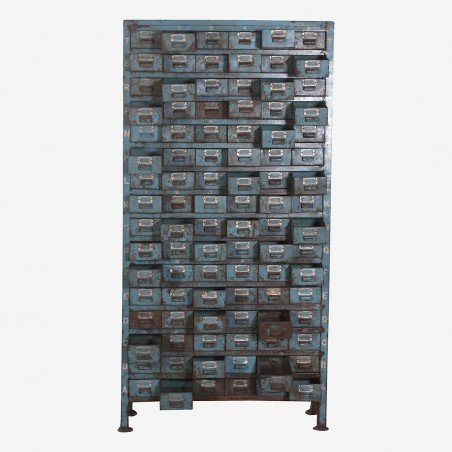
Originally hailing from the 18th and 19th centuries, these cabinets were the backbone of pharmacies and herbalists’ shops. Crafted from rich woods like oak, mahogany, or walnut, they were designed with a singular, practical purpose: to organize and protect a vast array of medicinal ingredients. Their defining feature is the series of numerous, identically sized small drawers—often labeled with faded Latin names or original handwritten script—each designed to hold specific herbs, tinctures, or powders. This historical purpose imbues them with an aura of curiosity, science, and care, making them far more than just storage units.
So, why do these functional relics of a bygone era continue to captivate designers and homeowners today? The answer lies in a powerful trifecta of timeless craftsmanship, intelligent design, and emotional resonance.
The Enduring Allure of Apothecary Cabinets
Timeless Craftsmanship and Material Integrity
Unlike much of today’s disposable furniture, vintage apothecary cabinets were built to last. They were constructed by skilled joiners using techniques like dovetail joints and solid wood panels, ensuring durability that spans centuries. The wood itself, often now glowing with a deep, mellow patina earned through decades of use and polish, is impossible to replicate with modern stains. Each scratch, ink blot, or worn drawer pull tells a part of its story, offering a depth of character that new furniture simply cannot provide. In a modern interior, this level of craftsmanship becomes a focal point of authenticity and quality.
Unrivaled Practical Storage Design
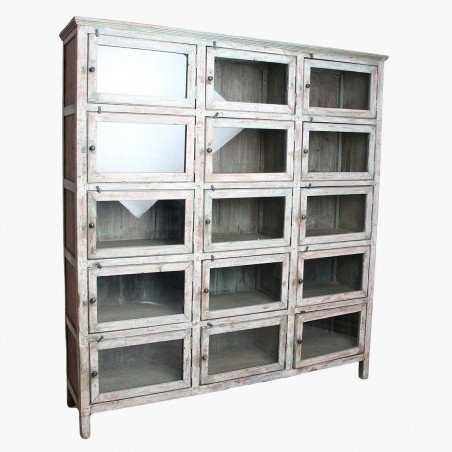
The genius of the apothecary cabinet’s form is its hyper-functional design. Those countless small drawers offer a sophisticated solution to modern clutter. In today’s homes, they brilliantly organize everything from office supplies and crafting materials to kitchen spices, beauty products, and hobbyist collections. They bring order with a aesthetic that is far more engaging than a plastic organizer. The design encourages categorization and neatness, turning everyday storage into a satisfying ritual. This seamless marriage of historical utility and modern need is a key reason for their relevance.
Emotional and Historical Value
Furniture with a past carries a narrative. A vintage apothecary cabinet whispers of old-world apothecaries, remedies, and community care. It invites curiosity and conversation. Owning and using such a piece creates a tangible link to history, offering a sense of permanence and stability in our fast-paced world. This emotional layer transforms a house into a home filled with collected meaning, rather than just decorated space.
Styling a Vintage Apothecary Cabinet in Contemporary Spaces
The versatility of these cabinets is staggering. Their clean, grid-like drawer façade allows them to adapt to a variety of interior styles, creating stunning contrast or harmonious blending.
-
Modern & Minimalist: In a crisp, minimalist setting, a single apothecary cabinet acts as a powerful organic anchor. Its intricate detail and warm wood tone prevent the space from feeling cold, adding necessary texture and visual weight. Style it with a single piece of modern sculpture or a minimalist lamp on top.
-
Rustic & Farmhouse: Here, the cabinet feels right at home. Paired with other natural materials like stone, linen, and wrought iron, it enhances the cozy, collected feel of the style. It’s perfect in a kitchen holding herbs or as a unique bathroom vanity.
-
Industrial: The utilitarian heritage of the cabinet aligns perfectly with industrial aesthetics. Its wooden warmth softens the hard edges of exposed brick, concrete, and metal. Look for a piece with original iron hardware to strengthen this connection.
-
Eclectic: This is where the apothecary cabinet truly shines as a star collector’s item. Mix it with modern art, global textiles, and mid-century pieces for a layered, intellectually curious interior that celebrates uniqueness.
Perfect Placement and Styling Tips
Finding the right home for your cabinet is part of the fun. Consider these spaces:
-
Home Office: For storing stationery, tech accessories, and files with unmatched style.
-
Living Room: As a unique sideboard for media equipment, board games, or barware.
-
Kitchen/Dining Room: An exceptional alternative for spice storage or as a statement sideboard for linens and serving pieces.
-
Bathroom: A breathtaking vanity or storage unit for towels and toiletries (ensure it’s properly sealed for moisture).
-
Entryway: A grand console for keys, mail, and gloves, setting a sophisticated tone from the moment one enters.
To style your cabinet successfully:
-
Balance is Key: Let the cabinet be the complex, detailed piece in the room. Surround it with simpler, solid-color items or smoother textures.
-
Mix Old and New: Place a contemporary vase on top, or hang a sleek, abstract painting above it. This juxtaposition highlights the beauty of both eras.
-
Respect Its Integrity: While painting over original wood is a personal choice, consider that preserving the original finish often maintains its value and historical charm. Focus on updating the surroundings instead.
-
Curate the Contents: Use beautiful, matching containers inside the drawers for a truly refined feel, or leave a few drawers slightly ajar with interesting items peeking out to create visual intrigue.
Conclusion: A Legacy of Beauty and Function
In the end, vintage apothecary cabinets matter in modern interiors because they satisfy a deep human desire for connection, quality, and order. They are not merely furniture; they are artifacts of practical design, testaments to enduring craftsmanship, and vessels of history. They challenge the transient nature of contemporary decor, offering instead a piece that grows more beloved with time. By welcoming one into your home, you do more than just solve a storage problem—you invest in a narrative, anchor your space with substance, and celebrate the timeless truth that good design, truly, is forever.