
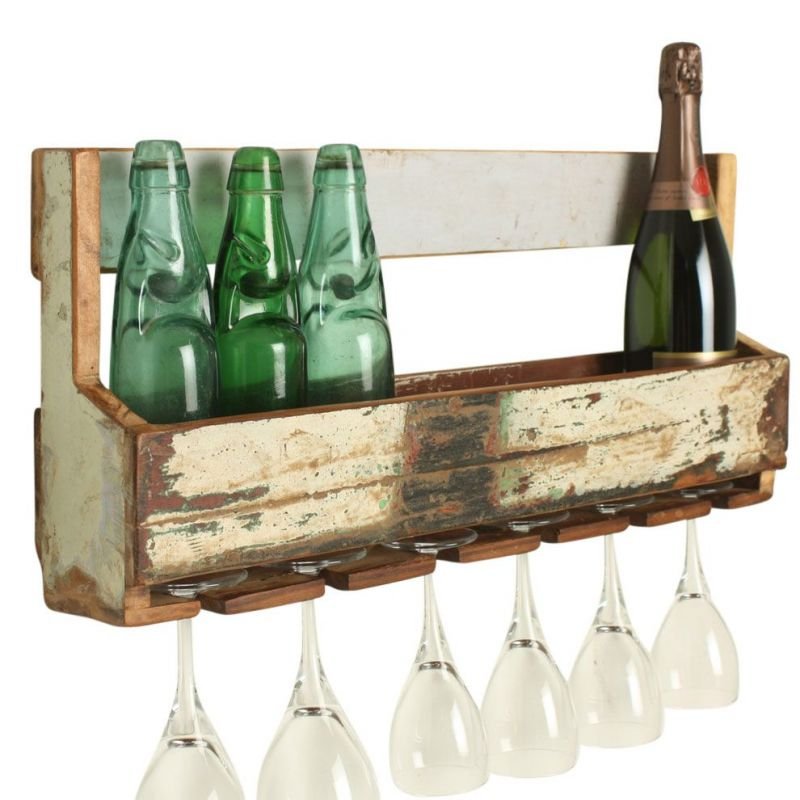
A wall-hanging wine holder is a type of rack or shelving system designed to store wine bottles horizontally on a wall. Unlike traditional freestanding racks or wine coolers, these fixtures utilize vertical space, making them a popular choice for homes, apartments, restaurants, and bars where floor space is at a premium.

Primary Purpose and Benefits
-
Space Efficiency: Their biggest advantage is saving floor and counter space. They turn an unused wall into functional storage.
-
Wine Preservation: Proper storage is key to preserving wine quality. Bottles are stored horizontally, which keeps the cork moist and expanded. This prevents air from entering the bottle and oxidizing the wine, which can spoil its flavor.
-
Aesthetic Display: Beyond function, they serve as decorative art. Wine collections can be showcased beautifully, adding a sophisticated or rustic touch to a dining room, kitchen, or living area.
-
Accessibility and Organization: Bottles are often easy to see and retrieve, making it simple to select a wine for dinner. They help organize a collection in plain sight.
-
Versatility: They come in countless designs, from modern metal grids to reclaimed wood shelves, allowing them to complement any interior design style.

Common Types and Materials
-
Single-Bottle Slots or Cradles: Individual metal, wood, or silicone holders mounted in a pattern (grid, line, wave). They offer a clean, modular look.
-
Shelf-Style Racks: Wooden or metal shelves with cut-out holes or a recessed rail to cradle multiple bottles. These often have a space on top for glassware or decor.
-
Grid or Mesh Panels: Large metal grids mounted to the wall. Bottles are inserted into the squares, allowing for flexible arrangement and often pairing with hooks for glasses.
-
Creative/Artistic Designs: Holder shapes that double as art, such as a wrought iron vine, a geometric pattern, or a sculptural piece where bottles become part of the visual element.
Common Materials:
-
Wood: (e.g., pine, oak, walnut) Offers warmth and a classic, rustic, or modern look.
-
Metal: (e.g., iron, steel, aluminum) Provides industrial, contemporary, or minimalist styling; very sturdy.
-
Combination: Wood with metal accents is very popular for a balanced aesthetic.

Key Considerations Before Installing
-
Weight Capacity & Wall Type: A fully loaded rack is heavy. It is crucial to mount it securely into wall studs (the wooden beams behind drywall) using appropriate hardware. For masonry walls, special anchors are required. Always check the product’s weight rating.
-
Bottle Capacity: Consider your current collection and how it might grow. Choose a holder that fits your needs without looking empty or overcrowded.
-
Location: Avoid places with:
-
Direct Sunlight: UV light damages wine.
-
Heat Sources: Near ovens, radiators, or heating vents. Heat accelerates aging.
-
Vibration: From speakers or appliances, which can disturb sediments in wine.
-
The ideal spot is a cool, dark, and vibration-free interior wall.
-
-
Ease of Use: Some designs make it easier to remove a single bottle without disturbing others. Test how snug the bottles fit.
-
Style Cohesion: Ensure the design, material, and finish match the room’s existing décor.
Potential Drawbacks
-
Permanent Placement: Once installed and filled, they are not easy to move.
-
Dust: Bottles stored in the open can collect dust and may need occasional wiping.
-
Not for Long-Term Aging: While fine for wines you plan to drink within a few months to a couple of years, a wall rack is not a substitute for a temperature and humidity-controlled cellar for expensive wines intended for decades of aging.
Conclusion
A wall-hanging wine holder is an excellent blend of form and function. It is an intelligent storage solution for the casual enthusiast or entertaining host who values space-saving design, easy access, and stylish presentation. By choosing the right type, material, and—most importantly—installing it correctly in a suitable location, you can create a beautiful and practical showcase for your wine collection.
