I’ve been around furniture and antiques long enough to know one thing for certain — most people are sitting on something valuable and don’t even realise it. I’ve seen it in homes, garages, sheds… even shoved in corners covered in dust.
The funny part is, the things people overlook are often the very things collectors are hunting for.
The Cabinet You Thought Was Just Storage
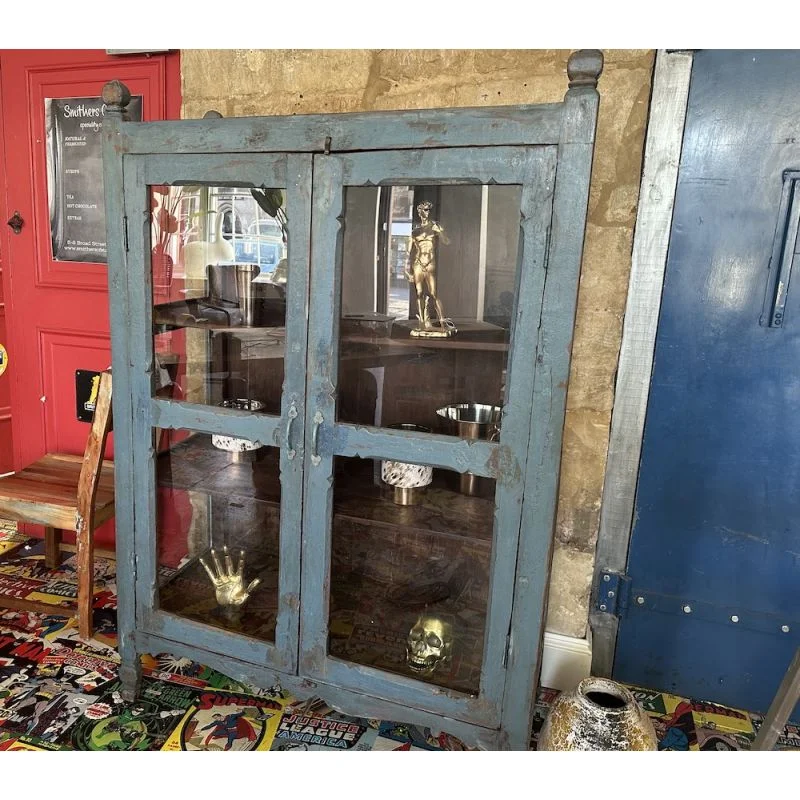
I’ve come across old apothecary cabinets more times than I can count. Usually pushed to the back of a garage, filled with screws, tools, bits and pieces. To most people, it’s just a heavy old unit with too many drawers.
But the early ones, proper pieces with age and character, can be worth anywhere from £1,500 to £5,000 or more. They’re not being made like that anymore, and that’s exactly why they’ve become so desirable.
That “Tired” Old Sofa
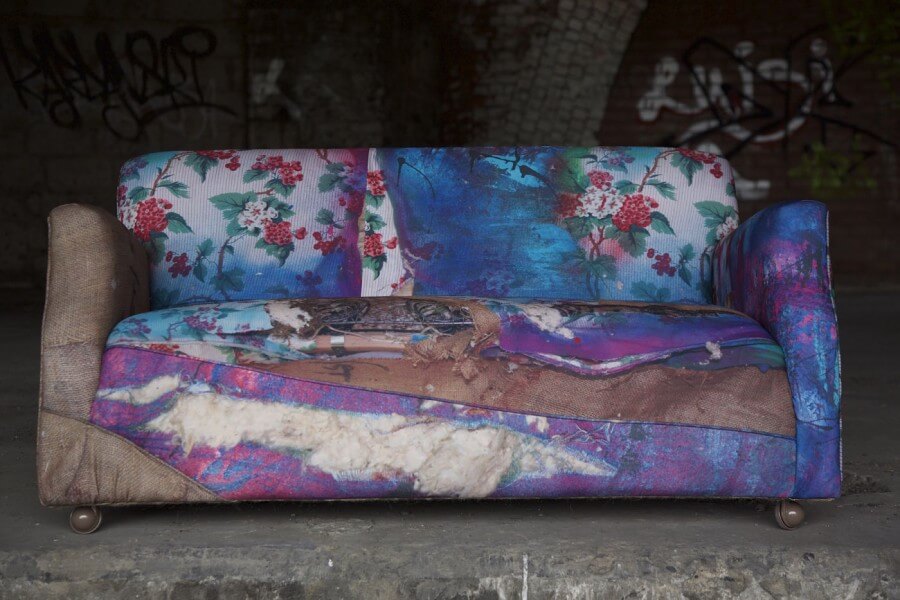
People are quick to throw out an old Chesterfield. I’ve heard it all before — “it’s worn,” “it’s cracked,” “it’s had its day.”
Truth is, that wear is where the value is.
A genuine original Chesterfield, especially with aged leather, can fetch £2,000 to £8,000 depending on condition and authenticity. That slightly battered look people want to replace is often exactly what buyers are looking for.
The Sign in the Shed
Vintage signage is another one I see constantly overlooked. Old enamel signs, shop signs, even original neon pieces — they get left in sheds or garages like they’re nothing special.
I’ve seen signs go from a few hundred pounds to well into the thousands, all depending on rarity and design. Some of the best ones I’ve seen weren’t displayed proudly — they were forgotten.
The Chair You’ve Had Forever
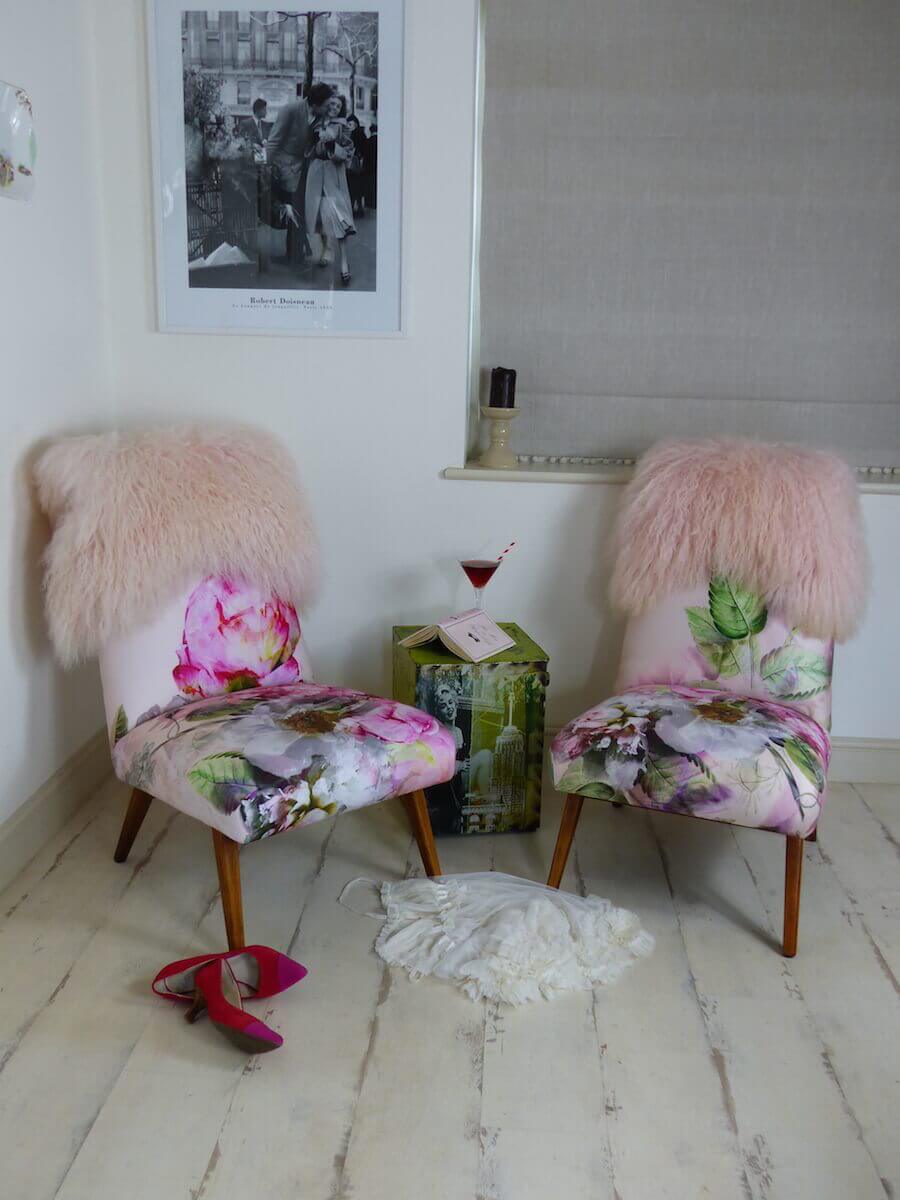
Mid-century furniture has crept up in value quietly over the years. Chairs from the 50s and 60s, especially designer pieces, can sit in a home for decades without anyone questioning them.
Then suddenly, that “old chair” turns out to be worth £300 to £2,000 or more.
It’s not always obvious either. Clean lines, simple shapes — people assume it’s just basic furniture, but collectors see it differently.
The Old Trunk at the End of the Bed
I’ve always liked old trunks. Military trunks, travel trunks, anything with labels or markings still intact.
Most people use them for storage or decoration without giving them a second thought. But I’ve seen those go for £200 to £1,500, sometimes more if there’s a story behind them.
It’s the history that adds value. The journeys, the wear, the details people don’t even notice.
Why People Miss It
If there’s one reason people overlook valuable items, it’s this — familiarity.
You live with something long enough, it fades into the background. A few scratches, a bit of wear, and suddenly it feels like it’s past its best.
But in this world, age isn’t a flaw. It’s the selling point.
What looks tired to one person looks authentic to another. What feels outdated to one person feels rare to someone else.
That’s where the value sits.
Final Thought
Before you clear out the garage or send something to the tip, it’s always worth taking a second look. I’ve seen too many good pieces disappear because someone thought they were just old and worn out.
Nine times out of ten, that’s exactly what makes them worth something
Questions and Answers
What household items should I check first for hidden value? I always say start with what you’ve ignored for years, especially antique furniture. Old cabinets, sideboards, chests of drawers, sofas and chairs can all carry serious value if they’re original. The pieces people overlook tend to be the ones worth checking.
How can I tell if my furniture is genuinely antique or just old? Age alone isn’t enough. With antique furniture, I look at how it’s made. Proper joinery, solid wood, uneven wear, even the smell sometimes. If it feels too clean or machine-perfect, it’s usually newer.
Does condition affect the value a lot? It does, but not always how people think. With antique furniture, a bit of wear can actually help. Original finishes, aged wood, worn leather — that’s character. Overdoing repairs can sometimes knock the value down.
Are reproduction pieces worth anything? Some are, especially well-made ones, but antique furniture will always lead the way in value. Originals carry history, and that’s what collectors pay for.
Why do people often underestimate what they own? Because they’ve lived with it too long. Antique furniture becomes part of the house, almost invisible. Once it blends in, people stop questioning it and assume it’s just old and worn out.
Is it worth getting items professionally valued? If you’ve got antique furniture or anything that feels a bit different, it’s worth a look. A quick valuation can stop you from letting something go far too cheap.
What’s one item people commonly throw away that they shouldn’t? I’ve seen antique furniture broken up or dumped because it didn’t suit modern interiors. That’s always a mistake. Even pieces that look heavy or dated can be worth good money.
Do small items ever hold significant value, or is it mostly furniture? Furniture carries value, but smaller antique pieces can surprise you. Old signage, decorative items, even small storage boxes can all add up depending on rarity.
What should I avoid doing if I think I’ve got something valuable? Don’t rush to strip, repaint, or modernise antique furniture. I’ve seen people ruin good pieces trying to make them look new. Leave it as it is until you know what you’ve got.
Where do valuable pieces usually end up in a home? More often than not, antique furniture ends up in garages, lofts, or spare rooms. The places where things get pushed aside and forgotten. That’s where the real finds usually are.