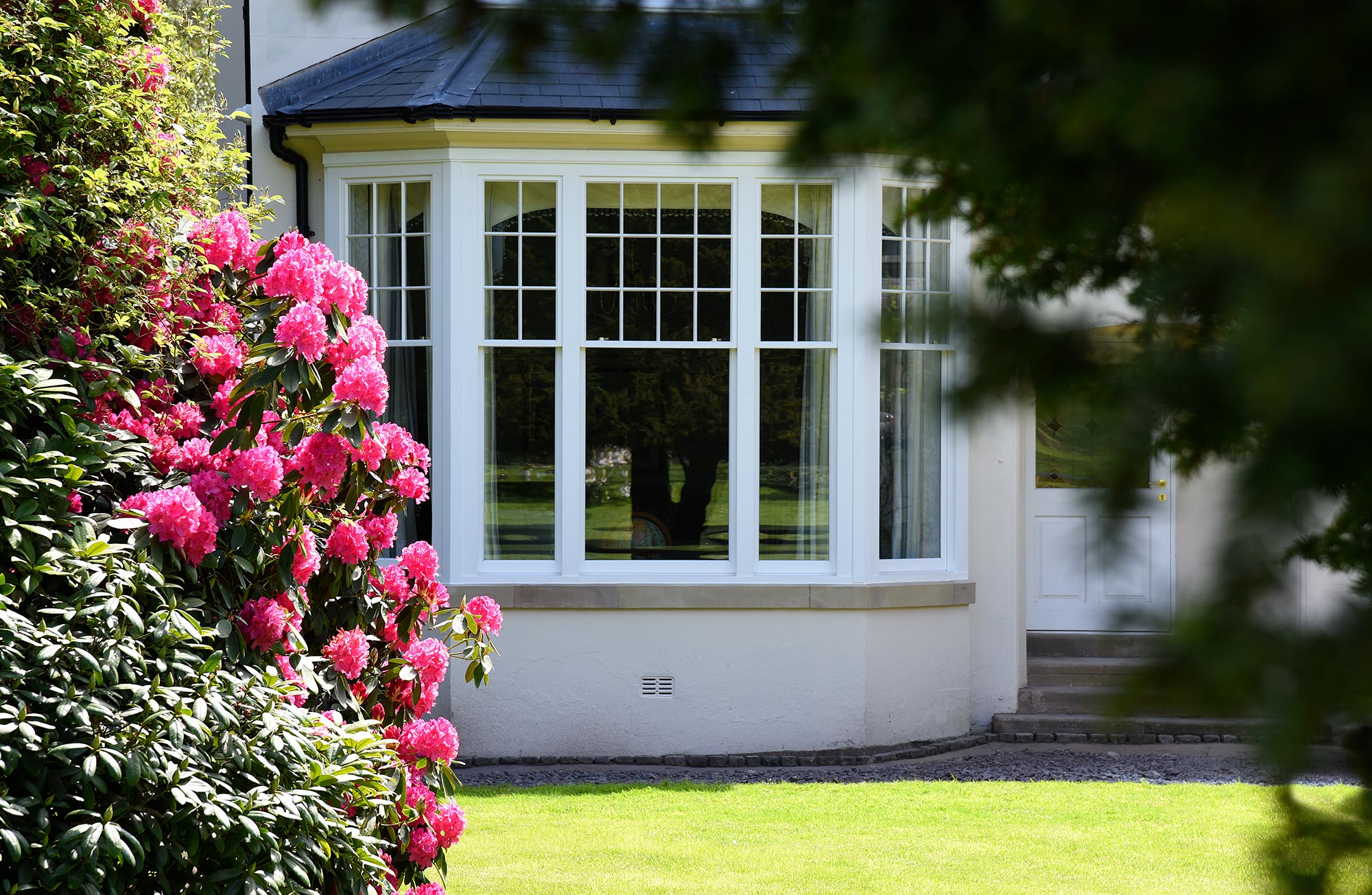
Traditional sash windows can look stunning on Georgian and Victorian homes, but cleaning them properly is not always as straightforward as modern windows. If you have ever wondered how to clean sash windows from inside, the good news is that most traditional sash windows were actually designed to make cleaning easier — if they are functioning correctly.
The problem?
Many older timber windows have become stiff, painted shut or simply neglected over the years, meaning homeowners often end up cleaning windows the wrong way or causing accidental damage.
We asked Nick Smith from NJS Sash Windows, a traditional sash window restoration specialist established since 2005, for his advice on how homeowners should care for original sash windows.
First, Understand How Sash Windows Work
Traditional sash windows operate differently from modern windows.
Most period sash windows are designed with:
A bottom sash that slides upward
A top sash that slides downward
This design allows airflow and, importantly, gives access to clean much of the external glass from inside the property.
However, older sash windows are often:
Painted shut
Difficult to open
Sticking from swollen timber
Loose or rattling
“People often try forcing them,” says Nick. “That’s one of the worst things you can do because if there’s paint build-up, damaged cords or swelling timber, you can easily make the problem worse.”
“Older timber windows don’t like aggressive products,” says Nick. “You want to protect the paintwork and the timber, not strip it back.”
Step 1: Open the Window Carefully
To clean sash windows from inside, gently:
Raise the bottom sash
Lower the top sash
This gives better access to much of the outer glass without leaning dangerously outside.
If the window feels stiff:
Stop.
“Don’t force an old sash window,” Nick explains. “There’s usually a reason it’s sticking. Sometimes it’s just layers of paint, sometimes worn cords or timber movement.”
Step 2: Clean the Glass Gently
Warm water with a little washing-up liquid is usually enough.
Wipe the glass carefully and dry afterwards with a clean cloth to avoid streaks.
One mistake many people make is soaking the frame too heavily.
“Too much water around older timber is never ideal,” says Nick. “You especially don’t want water sitting around joints or sills.”
Step 3: Don’t Forget the Tracks and Timber
Dust and debris often collect in sash window runners.
A quick clean with:
A soft brush
Hoover attachment
Slightly damp cloth
can help improve movement.
While cleaning, take the opportunity to check for:
Soft timber
Cracked paint
Water damage
Early signs of rot
Small repairs caught early are normally much easier — and cheaper — to deal with.
Avoid Modern Water-Fed Pole Window Cleaning on Timber Sash Windows
One of the biggest mistakes Nick sees homeowners make is hiring window cleaners who use modern telescopic water-fed poles, soaking traditional windows from the ground.
While this may work perfectly on modern UPVC houses, it is not always ideal for period timber sash windows.
“One mistake I see homeowners make is treating traditional sash windows like modern UPVC,” says Nick. “People often hire window cleaners using telescopic water-fed poles that absolutely soak the frames and sills with water. On older timber sash windows, repeated soaking can eventually contribute to paint failure, moisture problems and timber rot.”
Instead, Nick recommends traditional methods.
“Sash windows are usually best cleaned by hand using traditional window cleaning methods. You don’t want water sitting around joints, sills or vulnerable timber areas for long periods.”
Traditional hand cleaning also makes it easier to spot problems before they become expensive repairs.
Can Old Sash Windows Be Restored?
Absolutely.
Many homeowners assume original timber windows need replacing when, in reality, they simply need restoring.
Established since 2005, NJS Sash Windows regularly restores traditional timber sash windows suffering from:
Rotten timber
Broken sash cords
Sticking windows
Draughts
Rotten sills
Worn timber joints
The company regularly works across Stamford, Rutland, Peterborough, Cambridge and selected London projects, including period and listed homes.
Nick recently worked on restoring windows for a Grade II listed property in Camden*, carefully preserving the building’s original character while repairing damaged timber sections.
Final Thoughts
Learning how to clean sash windows from inside is not just about sparkling glass — it is about protecting traditional timber windows properly.
A careful approach, traditional cleaning methods and avoiding excessive moisture can help preserve original sash windows for many years to come.
And if your sash windows are sticking, rattling or showing signs of decay, restoration may be far more practical than replacement.