
When standard furniture and off-the-shelf designs fail to fit your space or reflect your personal style, a new approach emerges—one that prioritizes precision, functionality, and aesthetics. Many homeowners struggle with awkward corners, sloping ceilings, or oddly shaped rooms where factory-made pieces simply don’t work. The answer lies in a tailored solution that transforms any interior into a harmonious, efficient, and beautiful environment. This step-by-step guide will walk you bespoke furniture through the entire process, from initial assessment to final installation, while highlighting the key elements that make custom interiors so rewarding.
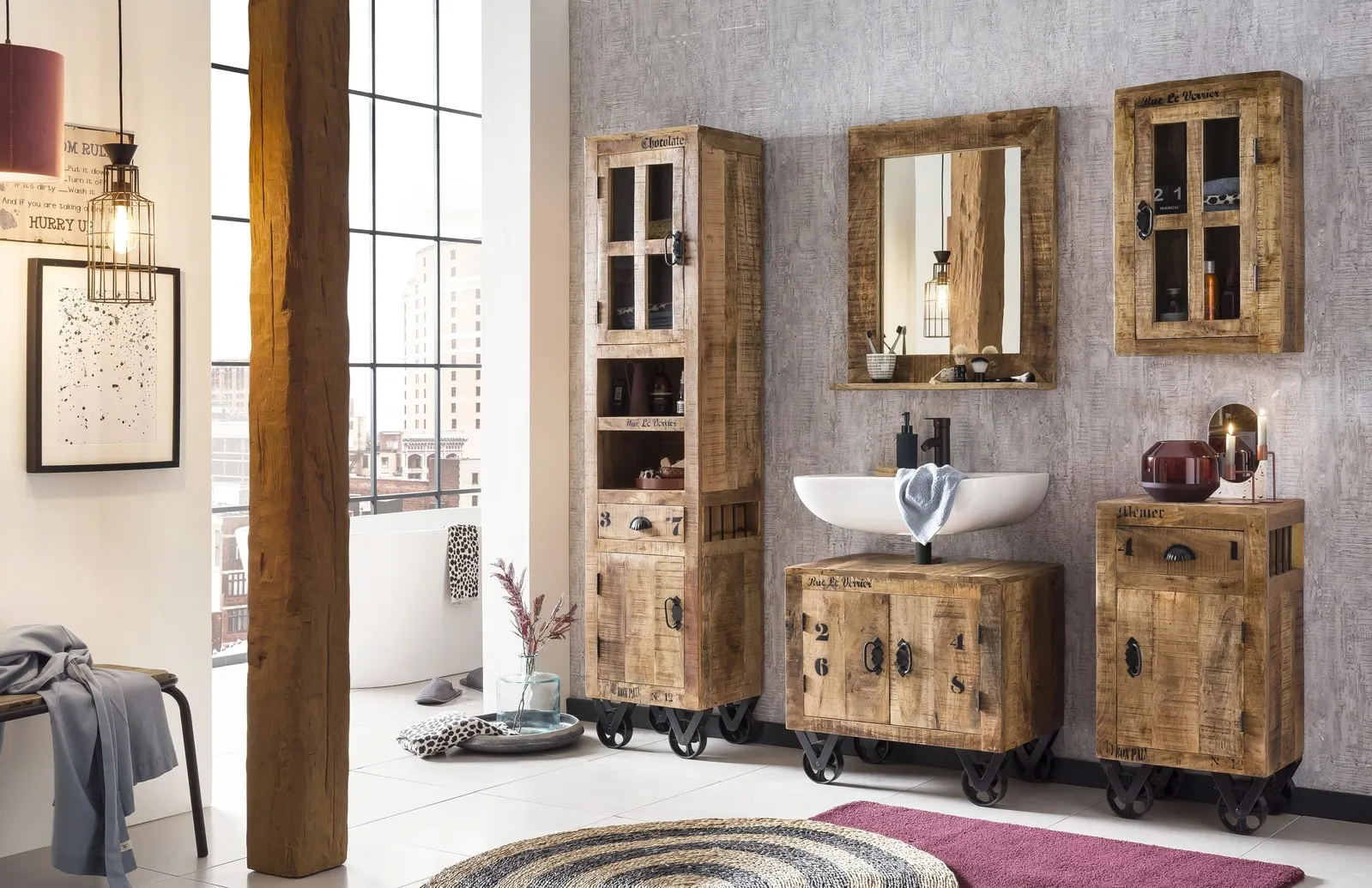
Made-to-Measure Interiors are exactly what they sound like: living spaces designed and crafted to fit your unique dimensions, preferences, and lifestyle needs. Unlike mass-produced alternatives, Made-to-Measure Interiors eliminate wasted space and awkward gaps, turning every inch of your home into a functional asset. Whether you’re renovating a tiny apartment or a sprawling family house, this approach ensures that every shelf, cabinet, and nook serves a purpose and looks seamless. By committing to this method, you gain complete control over materials, colors, hardware, and layout—something no ready-made solution can offer.
Step 1: Initial Consultation and Space Assessment
The journey begins with a thorough evaluation of your rooms. A professional designer or interior specialist will visit your home to take precise measurements, noting every irregularity: protruding pipes, sloped ceilings, uneven walls, or structural columns. They’ll also discuss how you use each space—do you need extra shoe storage in the entryway? A hidden desk in the living room? Pull-out pantry shelves in the kitchen? This conversation captures your habits, storage requirements, and design preferences. When planning bespoke furniture in London, experts also consider local living styles and space constraints to deliver highly functional designs. Expect questions about lighting, electrical outlets, and even future needs (like a baby’s nursery or aging-in-place features). The goal is to create a detailed brief that will guide every subsequent decision.
Step 2: Design Development and Material Selection
With measurements and requirements in hand, the designer drafts initial layouts, often using 3D rendering software. You’ll see virtual walkthroughs of your future interiors, allowing you to adjust shelf heights, drawer placements, or door styles before any cutting begins. This is also the stage where you choose materials: solid wood, MDF, veneer, laminate, metal, glass, or eco-friendly composites. Each option affects durability, cost, and appearance. You’ll pick finishes, colors, handles, hinges, and even soft-close mechanisms. The designer will advise on what works best for your climate and usage—for example, moisture-resistant materials for bathrooms or scratch-resistant surfaces for a home office. By the end of this step, you’ll have a complete blueprint and a fixed price.
Bespoke Furniture
At the heart of any made-to-measure interior lies bespoke furniture—pieces that are individually crafted to your exact specifications rather than assembled from modular components. Bespoke furniture goes beyond simple size adjustments; it encompasses unique shapes, joinery techniques, and design flourishes that reflect your personality. Think of a curved media unit that follows a circular wall, a bookcase with integrated reading lights and a rolling ladder, or a dining table that expands to seat twelve but shrinks for daily use. Unlike semi-custom options, bespoke furniture involves handcrafting by skilled artisans who can incorporate intricate inlays, hand-carved details, or specialized finishes. This level of customization is particularly valuable for heritage homes where you want to match original moldings, or for modern lofts where you desire industrial-chic steel frames. Bespoke furniture also excels at solving unusual problems: hiding a fuse box behind a magnetic panel, creating a catwalk shelf system for a pet lover, or building a fold-away murphy bed that doubles as a home gym backdrop. While bespoke pieces often cost more and take longer to produce, they become heirlooms—perfectly fitted, endlessly functional, and uniquely yours.
Step 3: Production and Craftsmanship
Once you approve the designs and sign off on materials, manufacturing begins. In a well-equipped workshop, craftsmen cut panels using CNC machines for precision or hand tools for intricate joinery. Edges are veneered, surfaces sanded, and components assembled into modules that will later be joined on-site. This phase typically takes two to six weeks, depending on complexity and shop workload. Reputable companies keep you updated with progress photos or videos. Quality control checks ensure that every drawer slides smoothly, every door aligns perfectly, and every finish matches the sample you chose. Unlike mass production, where small defects are ignored, made-to-measure workshops can redo any piece that doesn’t meet standards. Some firms also apply protective coatings, install hardware, and pre-drill mounting holes to streamline the final installation.
Step 4: Professional Installation
Installation day transforms your home. A team arrives with all prefabricated components, protective floor coverings, and specialized tools. They begin by preparing walls—leveling, reinforcing, or adding backing where needed. Then they mount base cabinets, attach wall units, and secure tall wardrobes to studs for safety. Because everything was measured and cut to your exact room, there’s no need for on-site cutting (except occasional trim adjustments). Drawers are inserted, doors hung, handles attached, and any integrated lighting wired. The team fills minor nail holes and applies touch-up paint or wax so the finished product looks built-in from day one. A final walkthrough confirms that all functions work: soft-close mechanisms, pull-out trays, charging ports, and adjustable shelves. The entire installation for a typical room (e.g., bedroom or living area) often completes within one to two days, causing minimal disruption to your daily life.
Step 5: Aftercare and Longevity
Your made-to-measure interior doesn’t end when the installers leave. Quality providers of bespoke furniture design London offer warranties—typically five to ten years on hardware and finishes—and provide care guides for cleaning and maintenance. For wood surfaces, they might recommend specific polishes; for laminates, simple damp wiping. Modern design trends also allow homeowners to experiment with neon colors, adding a bold and vibrant touch to customized interiors without compromising elegance. Many companies also offer adjustment services after a few months, as buildings settle or humidity affects wood movement. If you ever want to reconfigure a closet or add new components, the original designer keeps your digital files, allowing seamless expansions. Over time, this investment pays off not only in daily convenience but also in home resale value—tailored interiors are a major selling point for discerning buyers.
Final Thoughts
Embracing custom interiors means moving beyond compromise. Each step, from the first tape measure to the final screw, is designed to eliminate guesswork and deliver a space that feels exclusively yours. While the upfront cost and timeline exceed those of ready-made furniture, the long-term benefits—perfect fit, optimal storage, unique style, and lasting durability—make it a wise choice for any homeowner serious about their environment. Whether you start with a single built-in bookcase or a whole-house renovation, the process outlined here will guide you toward interiors that work as hard as you do.
