
Neon signs were once the kings of city streets—flickering above diners, motels, and movie theaters. Then they vanished, pushed aside by LEDs and digital screens. Once considered a relic of the past, these luminous neon creations are now a go-to for businesses and creatives alike. What was outdated is now iconic—transforming walls into statements, storefronts into landmarks, and brands into glowing identities.

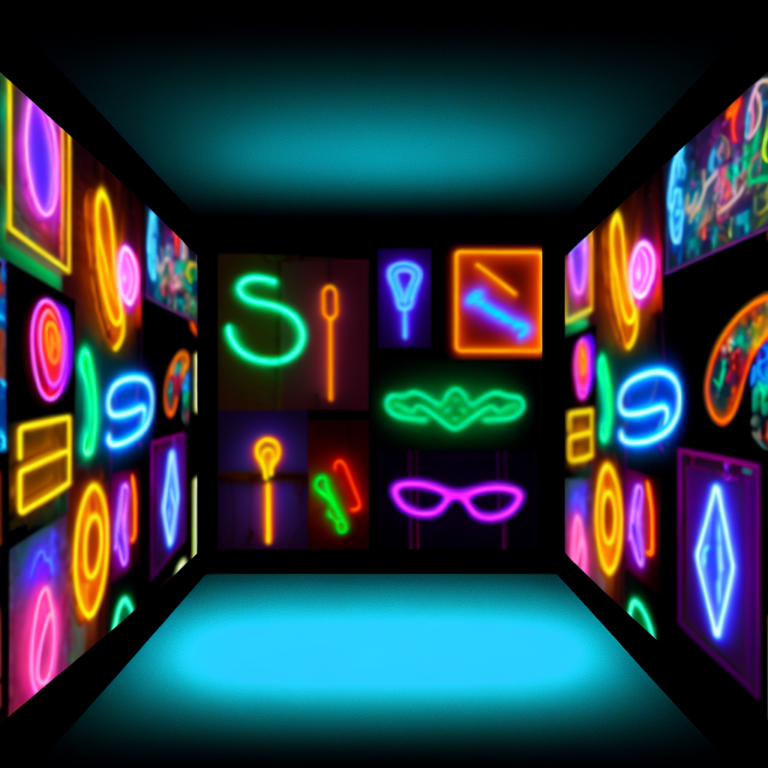
Neon signs are back, and they’re bolder than ever. Ready to bring that glow into your space?
From Vintage to Visionary
Neon never really died—it just dimmed. Today’s designers, artists, and business owners are tapping back into its hypnotic glow. Why? Because neon isn’t just lighting. It’s atmosphere. It’s memory. It’s a physical form of expression that LED can’t replicate.
In London, New York, and Tokyo, neon has become a design signature—from boutique storefronts to home offices and wedding backdrops. It’s not nostalgia. It’s modern reinvention.
How Neon Signs Are Made: Art Meets Electricity
Each neon sign begins with heat, glass, and muscle memory. A skilled craftsperson—called a glass bender—uses a torch to shape glass tubes into letters or forms. The tubes are filled with neon or argon gas. Then, high voltage passes through, and just like that: glow.
Today, computer-aided design (CAD) helps create precise patterns, but the hands-on craftsmanship remains at the heart of every piece. No two signs are exactly alike.

Custom Neons: Your Words, Your Way
Want your brand name in hot pink script? A quote in electric blue? Neon is endlessly customizable. Businesses use it to brand storefronts. Creators use it to turn walls into statements. People give neon signs as anniversary gifts or wedding decor.
From the font to the color to the message, every detail can be tailored to fit your voice.

Long-Lasting Glow, Inside and Out
Here’s the kicker: neon signs last. With proper care, they can glow for up to 50,000 hours—that’s over 5 years of non-stop light. Their durability makes them a smart, long-term investment for businesses and homes alike. They also hold up well in outdoor conditions, making them as functional as they are eye-catching.
Neon Branding: Be Seen, Be Remembered
Neon is visual storytelling. When used in branding, it does more than decorate—it captivates. It creates mood, tells a story, and gives your space an unmistakable identity.
Think of the Hard Rock Café’s guitar or the Red Barn sign glowing in the Nevada desert. As National Geographic put it:
“The flicker of neon isn’t just light—it’s memory, mythology, and American identity.”
That’s the kind of emotional resonance no LED can fake.
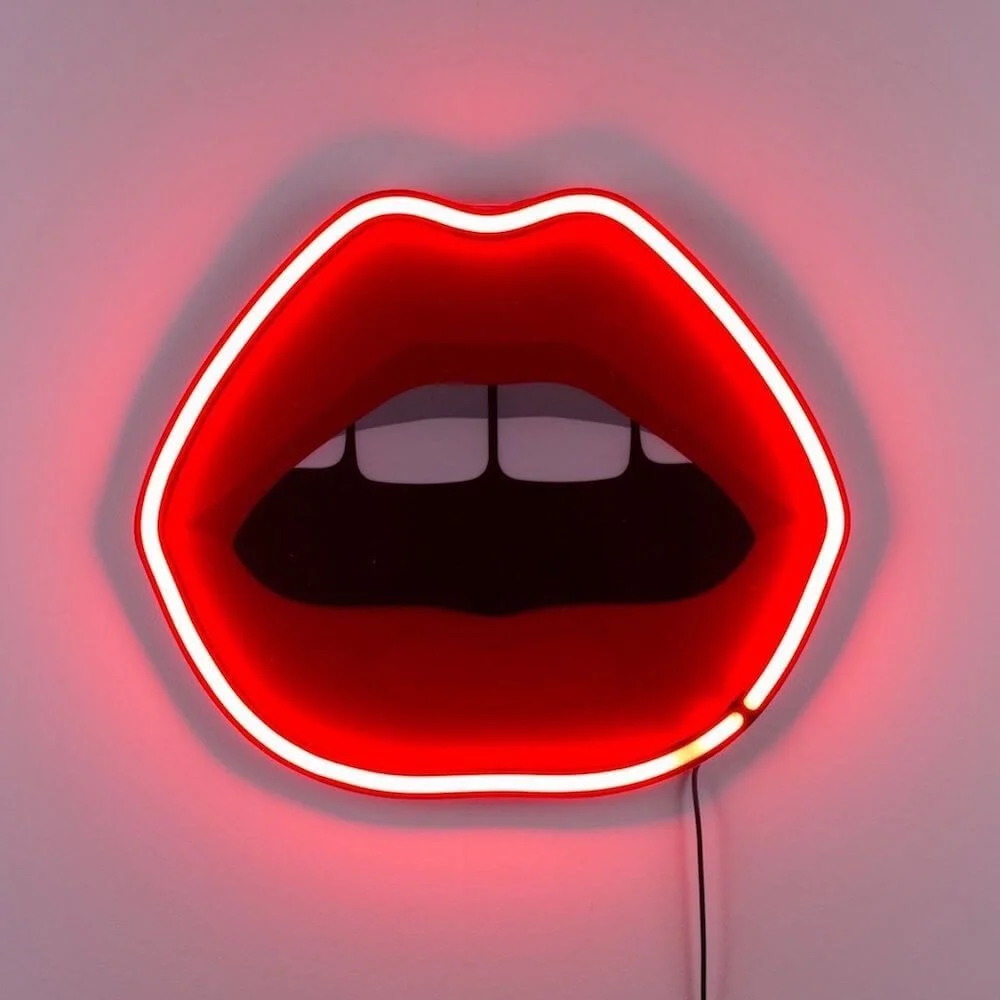
The Eco Glow: Sustainability in Neon Tech
Old neon signs weren’t known for efficiency. But that’s changing.
New tech uses low-power transformers, LED neon hybrids, and low-mercury materials to reduce environmental impact. Some companies even refurbish vintage neon signs, giving old pieces a second life and cutting waste.
Modern neon isn’t just bright—it’s smarter, cleaner, and greener.

Final Thoughts: Light With Meaning
Neon’s return is about more than just aesthetics. It’s about experience. About message. About emotion.
Whether you’re lighting a bar, branding a business, or adding character to your living room, neon lets you do it with flair. With personalization, durability, and eco-conscious design, the neon sign has officially earned its spot in modern culture—and it’s here to stay.

🎨 Ready to Create Your Own Glow
[🌟 Create Your Custom Neon Masterpiece →]
 Head to Our Neon Hub →
Get inspired, design your own sign, or browse the latest trends in custom neon.
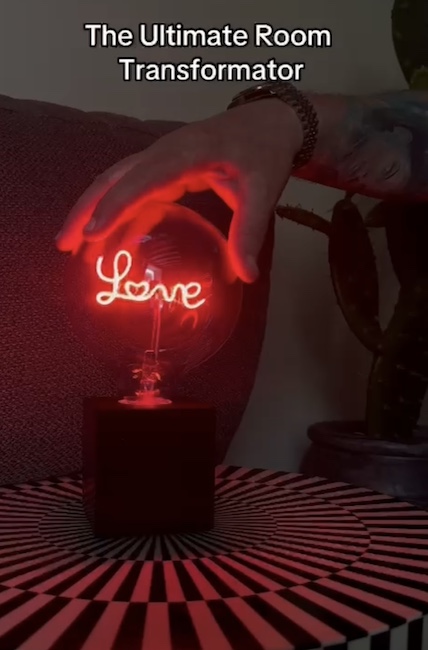
Eco-Friendly Innovations in Neon Sign Technology

💡 The Resurgence of Neon Signs – 20 Modern Design Q&As
1. Why are neon signs making a comeback?
Neon signs have returned as a bold, expressive design element that blends nostalgia with modern style. What once felt dated now feels iconic, emotional, and artistic.
2. Where are neon signs trending today?
Cities like London, New York, and Tokyo are leading the neon revival, using them in boutiques, galleries, weddings, restaurants, and even home offices.
3. What makes neon different from LED lighting?
Neon has a warmer, more organic glow and is handmade, while LED is machine-precise and more uniform. Neon has personality. LED has efficiency.
4. Is neon just about nostalgia?
No. While neon evokes retro charm, it’s being used in fresh, modern ways. Think: fashion pop-ups, concept hotels, or art installations—not just diners and motels.
5. How are neon signs made?
A glass bender shapes heated glass tubes by hand, then fills them with neon or argon gas. High voltage electrifies the gas, producing that signature glow.
6. Is neon sign making still a craft?
Yes. Even with CAD assistance for layouts, every sign is still hand-bent and assembled, making each piece one-of-a-kind.
7. Can I create a fully custom neon sign?
Absolutely. You can choose font, color, wording, size, and style—from script quotes to logos to abstract shapes.
8. Who uses custom neon signs?
Everyone from businesses, event planners, artists, and interior designers to couples using them for weddings or anniversaries.
9. How long does a neon sign last?
With proper care, a neon sign can glow for up to 50,000 hours, making it a smart investment for long-term use.
10. Are neon signs good for outdoor use?
Yes. With the right build and weatherproofing, neon signs can handle the outdoors just as well as interiors.
11. What are the best places to use neon signs indoors?
Popular spots include home bars, living rooms, office spaces, retail walls, and event backdrops.
12. Do neon signs help with branding?
Definitely. Neon signs turn your business name or logo into a visual statement, helping with brand recall and ambiance.
13. Can neon be used in eco-conscious design?
Yes. Modern neon signs use low-voltage transformers, LED hybrids, and low-mercury materials, reducing energy usage and waste.
14. Can old neon signs be refurbished?
Yes. Vintage neon can be repaired or restored, reducing landfill waste and preserving the artistry of past eras.
15. Is LED neon the same as gas neon?
Not quite. LED neon mimics the look using plastic tubing and diodes, but gas neon is made with real glass and electrified gases. It’s warmer and more nostalgic.
16. Is neon safe to use at home or in commercial spaces?
Yes. Modern neon signs are safe, stable, and energy-efficient when installed correctly.
17. What colors are available for custom neon signs?
Almost any color imaginable—from classic red or white to hot pink, ice blue, neon green, or even custom gradients.
18. Are neon signs expensive to run?
Not significantly. Traditional neon signs use about the same power as a standard household lightbulb. LED versions use even less.
19. What makes a neon sign memorable?
It’s not just the light—it’s the message, mood, and emotional pull. Neon captures attention and imprints itself in memory.
20. Where can I design a custom neon sign right now?
👉 Head to the Smithers Neon Hub.
Create your own glow, browse top trends, or get inspired by modern neon reinventions.