Some rooms never quite work. The back of a kitchen extension is a common one. So is the landing outside bedrooms, or the loft room that looks bright in photos but feels shut in on a normal weekday.
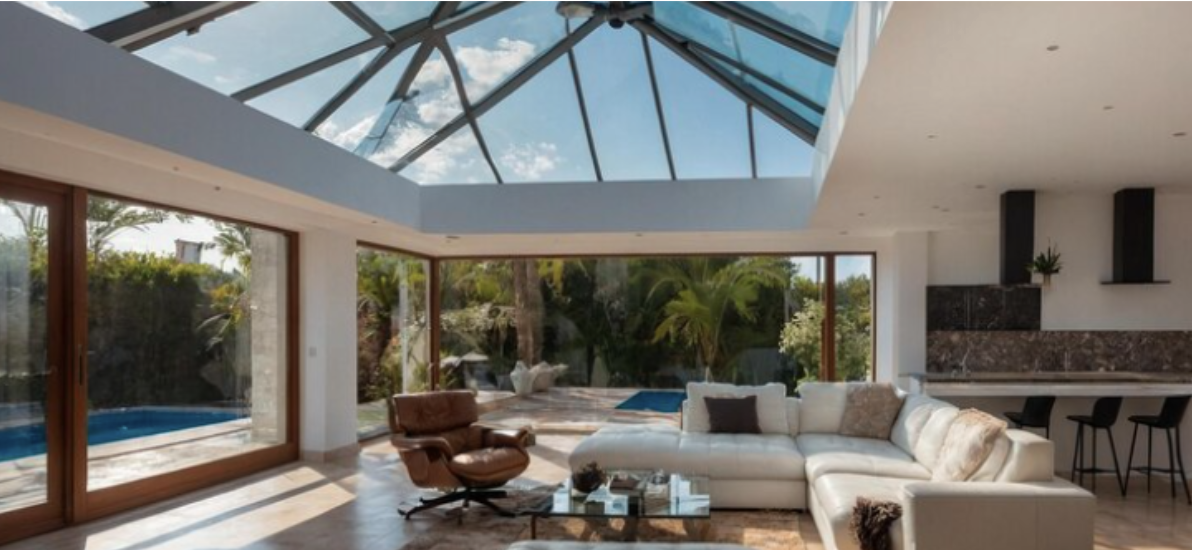
A rooflight helps because the light comes from above. It does not have to fight through a side wall, a fence, a neighbouring extension or a row of cupboards. As a matter of fact, it happens to just adjust with the whole room and spreads across surfaces that usually sit in shade.
8 Things to Consider Before Installing a Rooflight in Your Home
Some changes look nice for a week. Others keep proving their worth every day. A rooflight falls into that second group when it is planned properly. It brings in the kind of daylight a room may have been missing for years, especially in spaces that always feel a little dull no matter how they are decorated.
The difference can be simple. A breakfast table feels less tucked away in the morning. A hallway stops feeling like a dark gap between better rooms. A loft desk starts to feel usable, not just placed there because there was nowhere else for it to go.
Still, a rooflight needs the right balance. Too much glass can make the room feel bright in a harsh way. Too little may barely change anything. On top of that, the ideal options consist of solace and that natural vibe with the luminous environment in the household.
When you must decide on it, you must think about crucial factors beforehand. In fact, these can involve matters like:
Choosing a frame.
The type of colour.
The glass shape.
Now, the homeowner needs to look at the house itself. Rooflights are not one size choices. A flat roof extension, a pitched Victorian roof and a converted loft all ask different questions.
All in all, the case is how you work on the essentials gradually and with tact:
Understanding Your Roof Structure Before Installation
Choosing the Right Type of Rooflight for Your Home
Planning for Natural Light and Room Placement
Efficient form of energy Efficiency and the consideration regarding the insulation levels.
Ventilation Benefits and Airflow Control
Budget and Installation Costs to Expect
The whole Building Regulations and planning permission
Importance of Professional Installation is also crucial due to the fitting quality deciding on how well the roof performs afterwards.
Before choosing a rooflight, the room needs a bit of honesty. Not the version of it seen in a mood board, but the real one. The one that feels dim after lunch, or too closed in on grey mornings, or awkward because the nicest corner never gets enough light.
That is usually where the right choice starts. Maybe the kitchen does not need a huge glass panel, just enough daylight over the table to make breakfast feel less flat. Maybe the hallway needs a softer lift so it stops feeling like dead space between rooms. Maybe the loft needs light in the place where someone actually sits, not just where the roof happens to look easiest.
A rooflight should solve that kind of everyday problem. When it does, it does not feel like a feature added for effect. It feels settled. In fact, its like how the room always requires that particular small change and now it finally works a little better.
Energy Efficiency and Insulation Considerations
Most people picture the daylight first. That is understandable. No one gets excited about U values while imagining a brighter kitchen. Still, performance decides whether the room feels good in January, July and every damp grey week between.
Rooflights sit in a tough place. They face rain, cold air, wind and direct sun more openly than many wall windows.
Now, there’s the case as to how if the glass performs poorly, heat can escape in winter. As well as how if the unit is too large or badly positioned, summer sun can make the room uncomfortable.
Meanwhile, there is the case of the U value gives a useful clue about heat loss. Lower figures generally mean better insulation. Low emissivity glass can help keep warmth inside, while solar control glass may help where the roof gets strong afternoon light.
The build around the unit matters just as much. A good rooflight fitted into a cold or badly sealed upstand will still disappoint. There’s also the fact of how those cold edges lead into the whole condensation process and the other thing is about those small gaps. For you see, those gaps induce draughts after that whole plaster finish.
A few questions are worth asking before anything is ordered:
Does the room already get warm because of patio doors or large windows?
Will the rooflight sit in direct sun for long periods?
Is privacy an issue from nearby upper windows?
Are blinds needed now, or should wiring be planned for later?
Is insulation around the opening included?
Even a smaller rooflight can be better than a bigger one as size isn’t always important here. In fact, it needs it in order to prevent warmth and humid levels.
Planning Permission and Building Regulations
Nobody dreams about building control forms when imagining daylight over a kitchen table. Even so, it is better to check early than explain later why the roof has already been opened.
Many rooflights may come under permitted development, but the details can change the answer. Listed homes, conservation areas, flats and roof slopes facing the road all need extra care. Local restrictions can also affect the style, projection or position.
They focus on whether the work is safe, insulated, ventilated and weatherproof. Once a roof is cut, the structure still has to carry load properly. Water still needs to run away cleanly. Heat still needs to stay inside.
Before work starts, homeowners should confirm:
whether the rooflight changes the outside appearance
whether local restrictions apply
whether rafters or joists need structural support
whether building control should inspect the work
whether ventilation and insulation standards are covered
This stage also helps with money. Extra support, scaffolding, electrics, plastering and making goods can affect the real cost. Clear planning, much like setting goals before a larger project, keeps the job from drifting. Now, Rooflights & Skylights in UK homes, can be a tricky matter for some owners to decide for their households but with the ideal choices, there is always something genuine.
Importance of Professional Installation
A finished rooflight should feel as though it has always belonged there. The ceiling line looks clean. The glass sits neatly. Rain hits the roof and nothing inside gives the homeowner a reason to worry.
That simple finish takes careful work. The installer has to think about roof pitch, flashing, drainage, access, insulation, plastering and sometimes electrics. Water is patient. If the detail around the frame is weak, it will usually find the weakness eventually.
Poor installation may not show on the first day. It often appears later as a brown mark near the reveal, a cold edge around the frame or a small draught that gets worse in winter. By then, the room may need opening up again.
Homeowners should ask plain questions. Has the installer handled the same roof type before? What is included in the quote? Who deals with building control? Are rain sensors, blinds or electric openings included, or priced separately?
Good tradespeople expect these questions.
Conclusion
With every possibility that you can think of, there’s a more abudant aspect by how roof lights just amplify your household perks. As well as how it should be all planned with mature supervision and cautious planning. For you see, from the roof structure to te air flow and of course, the workmanship all align for a superb result.